 admin
adminHotels are evolving from places to sleep into curated hubs for work, wellness, and local discovery.
Travelers and hoteliers alike are adapting to expectations for personalization, flexibility, and responsible operations. Understanding these shifts helps guests get better stays and operators capture loyalty and higher revenue.
Guest expectations and conveniences
Today’s guests expect frictionless experiences. Mobile check-in, digital room keys, and in-room controls for lighting and temperature are becoming standard preferences. Reliable, high-speed Wi-Fi and dedicated workspaces—whether a desk in the room or quiet co-working areas—are now critical for business and “bleisure” travelers who blend work with leisure.
Personalization is delivered through smarter use of guest data and tech-enabled services. Hotels that remember preferences—room type, pillow choice, dietary needs—create memorable visits that encourage repeat stays.
For travelers, it pays to set preferences in loyalty profiles and to communicate needs ahead of arrival.
Sustainability as a decision factor
Sustainable operations influence booking choices.
Properties that reduce single-use plastics, install efficient HVAC systems, source food locally, and manage water use appeal to eco-conscious guests. Certifications and clear sustainability statements on a property’s website help travelers make informed choices. Look for visible actions—refillable amenities, energy-efficient lighting, and transparent recycling programs—rather than greenwashing claims.
Experience-driven stays
The competitive edge now comes from authentic, local experiences. Hotels partner with neighborhood businesses to offer curated tours, culinary classes, or cultural events, turning stays into micro-escapes.
Boutique and soft-brand hotels emphasize local design and programming, attracting guests who want a sense of place rather than a cookie-cutter room.
Food and beverage is another area of innovation. Expect seasonal menus, chef-led pop-ups, and grab-and-go options that balance convenience with quality. For many travelers, an outstanding hotel restaurant or rooftop bar can be the reason they choose one property over another.
Pricing, loyalty, and booking strategies
Dynamic pricing is a reality; rates can fluctuate based on demand and length of stay.
Booking platforms and price-tracking tools help travelers find better deals, but booking direct often offers the best perks—flexible cancellation, room upgrades, or loyalty points. Frequent guests should review loyalty program benefits and elite status perks, including late checkout, free Wi-Fi, or complimentary breakfast.
Tips for getting the best stay
– Read recent reviews to confirm consistency—look for patterns, not one-off complaints.
– Call the property directly to request room location, upgrades, or to confirm amenities.
– Check cancellation policies and whether rates are refundable or flexible.
– Use loyalty profiles to store preferences and special requests.
– Consider mid-week or shoulder-date stays for better rates and quieter experiences.
Operational priorities for hoteliers
Operators are investing in technology to improve efficiency and personalization without losing human touch. Data-driven revenue management, contactless services, and property management platforms streamline operations.
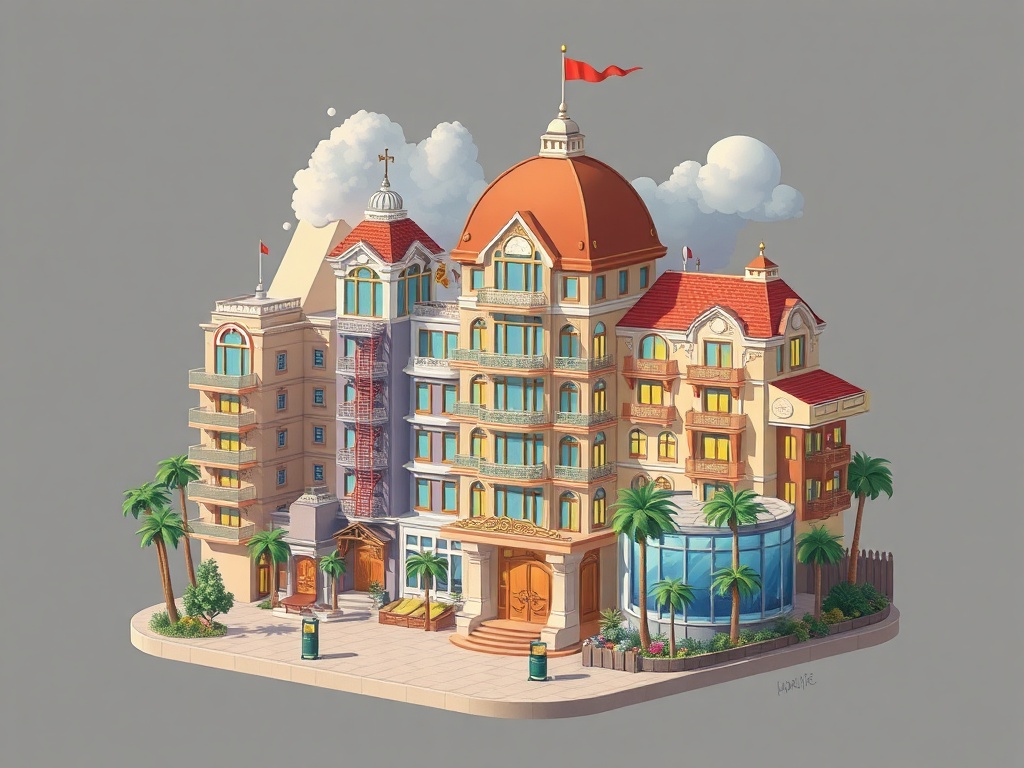
At the same time, staff training on hospitality fundamentals—warm service, rapid problem resolution, and local knowledge—remains crucial.
Health and wellness offerings
Wellness is integrated into more hotel stays. Expect options like in-room fitness kits, air-purification systems, curated sleep amenities, and partnerships with local wellness providers.
For many guests, visible commitments to cleanliness and wellbeing are non-negotiable.
Whether you’re choosing a hotel or running one, the focus is on delivering seamless convenience, authentic local experiences, and responsible operations. Hotels that balance technology with human hospitality, and sustainability with memorable programming, will continue to stand out in a competitive market.
