 admin
adminParis remains a magnet for travelers seeking art, food, and effortless style. Beyond the headline sights, the city is evolving into a calmer, greener place worth exploring on foot, by bike, or along its revitalized riverside.
This guide highlights ways to experience Paris like someone who knows it well—discovering neighborhoods, smart travel tips, and sustainable choices that enhance any visit.
Why stroll, not rush
Paris rewards slow travel. Many of the best experiences happen in concentrated neighborhoods—Le Marais for boutique shopping and Jewish delis, Canal Saint-Martin for laid-back cafés and people-watching, and Belleville for street art and multicultural markets. Allocate time to wander cobbled streets and small parks such as Parc des Buttes-Chaumont or the tucked-away gardens near the Louvre. Walking reveals hidden pâtisseries, independent bookshops, and artisan ateliers that don’t show up on every itinerary.
Get around like a local
Public transit, bike-share, and walking are the smartest ways to navigate Paris. The metro and buses connect neighborhoods efficiently; contactless payment options and mobile ticketing make trips simple.
For short hops, Vélib’ bike-share and an expanding network of protected bike lanes enable quick, scenic crossings—especially along the Seine and through green corridors. Renting an e-bike can be especially pleasant for exploring hills or getting between attractions quickly without relying on taxis.
Skip the crowds, not the culture
Iconic museums will always draw visitors, but smaller institutions offer rich rewards with fewer lines.
Seek out lesser-known museums such as the Musée Jacquemart-André or the Musée Zadkine for intimate art experiences. Late-afternoon or evening openings are ideal for avoiding peak crowds.
When planning must-see monuments, reserve timed tickets ahead and consider guided tours that access quieter routes or behind-the-scenes areas.
Eat, sip, and shop sustainably
Parisian food culture is a key attraction—markets, bakeries, wine bars, and neighborhood bistros provide endless options. Shop at local markets like Marché d’Aligre for seasonal produce and artisanal goods.
Choose restaurants that source locally and avoid single-use plastics; many cafés now offer compostable takeout or encourage bringing reusable cups. For authentic flavors without the tourist markup, follow the locals to boulangeries and small épiceries off the main avenues.
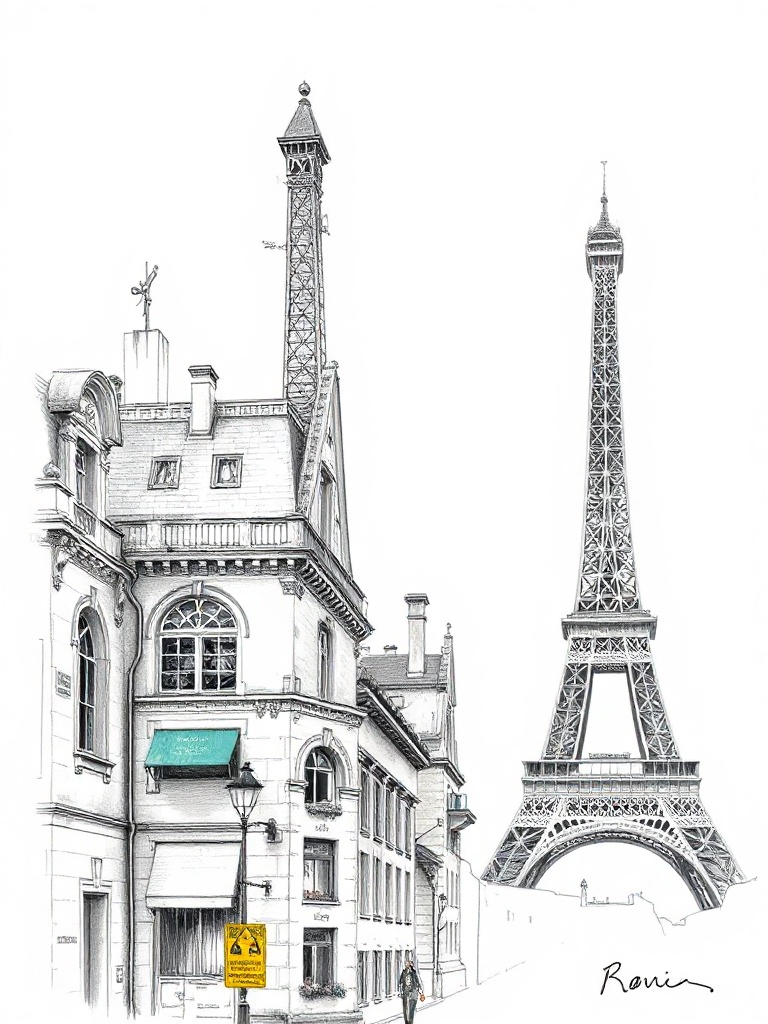
Green spaces and river life
Riverside promenades and converted quay spaces have transformed how people use the Seine. Stroll the banks where pop-up cafés and cultural events enliven the water’s edge, or relax in urban parks that host open-air concerts and picnics. The Promenade Plantée and many rewilded boulevards provide refreshing alternatives to crowded squares.
Practical tips
– Reserve popular museum and monument tickets in advance and visit early or late to avoid peak hours.
– Carry a refillable water bottle: Paris has public fountains and many cafés will refill on request.
– Learn a few basic French phrases; a polite bonjour and merci go a long way.
– Check neighborhood opening hours—markets and smaller shops often close mid-afternoon.
Paris continues to blend timeless charm with modern livability. By choosing slower transport, exploring lesser-known neighborhoods, and supporting local businesses, visitors can enjoy a richer, more sustainable experience in the city’s iconic streets and quiet corners.
