 admin
adminAmalfi Coast travel guide: what to see, do and plan for a memorable visit
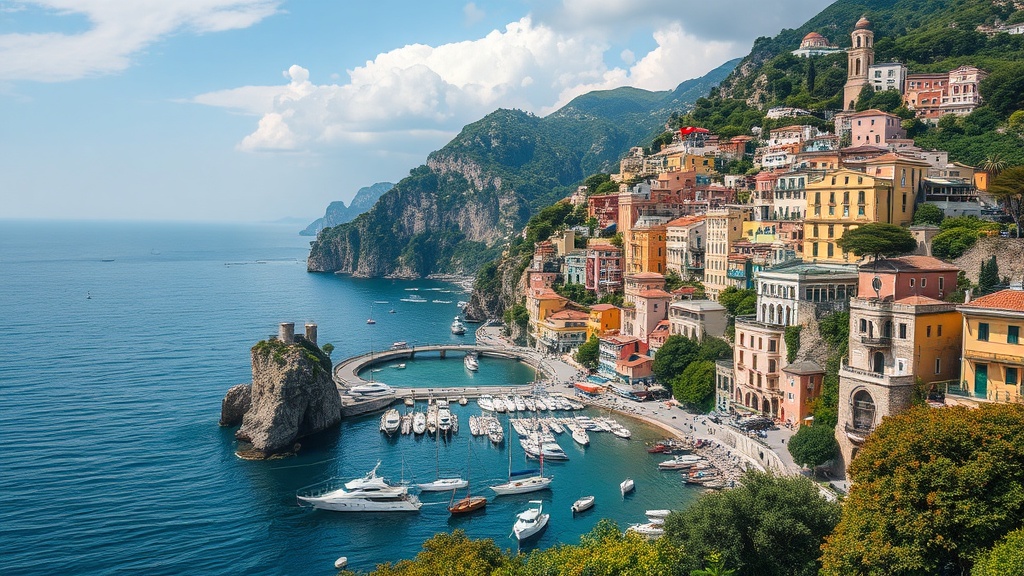
The Amalfi Coast is one of Europe’s most photographed stretches of coastline for good reason: dramatic cliffs plunging into turquoise sea, pastel villages clinging to steep slopes, fragrant lemon groves and a cuisine built around fresh seafood and citrus. Whether searching for cliffside luxury, active hiking or slow-paced seaside charm, this coastline delivers.
Top towns to visit
– Positano: The image of the Amalfi Coast for many travelers. Narrow stairways, boutique shops, and Spiaggia Grande make it ideal for beach time, sunset cocktails and fashion shopping.
– Amalfi: Historic heart with the Duomo di Amalfi dominating the town square. Explore winding lanes, the Paper Museum, and nearby lemon terraces.
– Ravello: Perched above the coast, Ravello is famed for panoramic gardens like Villa Rufolo and Villa Cimbrone.
It’s quieter and perfect for music, art and romantic views.
– Praiano and Minori: Offer a quieter, more local feel with excellent restaurants and smaller beaches. Good bases for day trips and hiking.
Must-do experiences
– Path of the Gods hike: A classic coastal trail between the hills above Positano and the hilltop villages. Expect spectacular viewpoints and a moderate workout—bring sturdy shoes and water.
– Boat tour: Seeing the coastline from the water reveals sea caves, secluded beaches and coastal villages inaccessible by road. Private boats or shared excursions both work; consider early departures to avoid crowds.
– Culinary discoveries: Try scialatielli with seafood, fresh mozzarella, caprese salads, and limoncello made from local lemons. Seek out family-run trattorie for authentic flavors.
– Historic sites: Don’t miss the Amalfi Cathedral’s striking façade and cloister, and the terraces of Ravello for unforgettable photo opportunities.
– Hidden gems: Visit Fiordo di Furore, a dramatic fjord-like inlet, and the Grotta dello Smeraldo near Conca dei Marini for a touch of coastal mystery.
Practical travel tips
– Getting there: Base yourself in Naples, Sorrento, or Salerno and connect by ferry or coastal buses. Ferries are fast and scenic; buses traverse the winding SS163 coastal road but can be crowded. Driving is possible but expect narrow roads, hairpin turns and limited parking.
– Where to stay: Options range from luxurious cliffside hotels with infinity pools to small guesthouses and agriturismi inland among lemon groves. For quieter evenings, choose towns slightly away from main tourist hubs.
– Packing: Comfortable walking shoes, sun protection, a light jacket for breezy evenings, and a small daypack for hikes and boat trips are essentials. Many beaches have pebbles, so water shoes help.
– Money and communications: Credit cards are widely accepted, but small cafes and shops may prefer cash. Learn basic Italian phrases—locals appreciate the effort.
Sustainable and respectful travel
The Amalfi Coast is an environmentally sensitive area with limited freshwater resources and fragile landscapes.
Reduce single-use plastics, stick to marked trails, respect private property and book local guides and services to support the community.
Why it remains irresistible
Dramatic scenery, a rich culinary scene and a blend of activity and relaxation keep travelers returning. Whether it’s a sunrise from a terrace, a boat ride past hidden coves, or an evening under lemon trees with seafood on the table, the Amalfi Coast offers timeless moments that linger long after the trip ends.
Plan thoughtfully, travel respectfully, and let the coastline’s charm unfold at its own pace.
