 admin
adminThe Amalfi Coast remains one of the world’s most magnetic coastal stretches, where sheer cliffs meet turquoise water and pastel villages cling to the rock. Whether you’re planning a first visit or returning for a deeper exploration, this guide highlights what to see, eat, and do to make the most of a trip along this iconic coastline.
Must-see towns and hidden gems
– Positano: The postcard image of tiered houses, narrow stairways, and chic boutiques. Early morning is ideal for photos before the crowds arrive.
– Amalfi: The historic heart with a striking cathedral, lively piazzas, and a charming harbor. Explore the old paper mills for a quieter slice of local history.
– Ravello: Perched above the sea with famed gardens and sweeping vistas—perfect for classical music lovers and sunset watchers.
– Praiano and Atrani: Less busy alternatives offering authentic restaurants and tranquil beaches.
– Cetara and Vietri sul Mare: Cetara is a fishing village famous for anchovy-based specialties; Vietri is the ceramics capital, ideal for souvenirs.
Top activities
– Boat tours: A private or small-group boat trip reveals hidden coves, sea caves, and the dramatic coastline from the water. Consider a sunset cruise for unforgettable colors.
– Path of the Gods (Sentiero degli Dei): This scenic trail offers panoramic views between hilltop villages. The hike is accessible for most fit walkers; wear sturdy shoes and carry water.
– Cooking classes and lemon tours: Join a hands-on class to learn scialatielli or fresh seafood preparations, or visit a lemon grove to see how the region’s famous citrus is grown and distilled into limoncello.
– Day trips: Ferries and hydrofoils make island hops to Capri effortless, while mainland excursions can include archaeological sites and regional markets.
Practical travel tips
– Arrivals: The most convenient gateways are airports with train and road links to coastal towns. Trains to nearby stations combined with buses or ferries are common options.
– Transport: Ferries link major towns during the season and often beat road travel for speed and views.
Driving the coastal road offers flexibility but demands confidence on narrow, winding routes; parking is limited and expensive in popular towns.
– Timing: Shoulder seasons—spring and autumn—balance milder weather with fewer tourists and smoother access to services.
If visiting during the busiest months, plan early starts and prebook ferries and accommodations.
– Accommodation: Options range from boutique cliffside hotels and private villas to family-run B&Bs and agriturismi inland. Choose a base according to priorities—beach access, nightlife, or tranquility.
Food and drink
Seafood dominates menus—simple, ultra-fresh preparations are the norm. Look for scialatielli al pesce, seafood risottos, and fried fish stands for casual bites.
Desserts often highlight local lemons—try lemon granitas, cakes, and artisanal limoncello.
Pair meals with regional white wines or a spritz-sized aperitivo.
Sustainable and respectful travel
Support local businesses, avoid single-use plastics, and follow marked paths while hiking. Respect worship spaces and traditional dress codes, and remember that many towns are residential—keep noise down in narrow streets and stairways.
Photography pointers
Capture the coast during golden hour for soft light and drama. Vertical compositions suit the steep architecture, and including foreground elements—balconies, bougainvillea, fishing boats—adds depth.
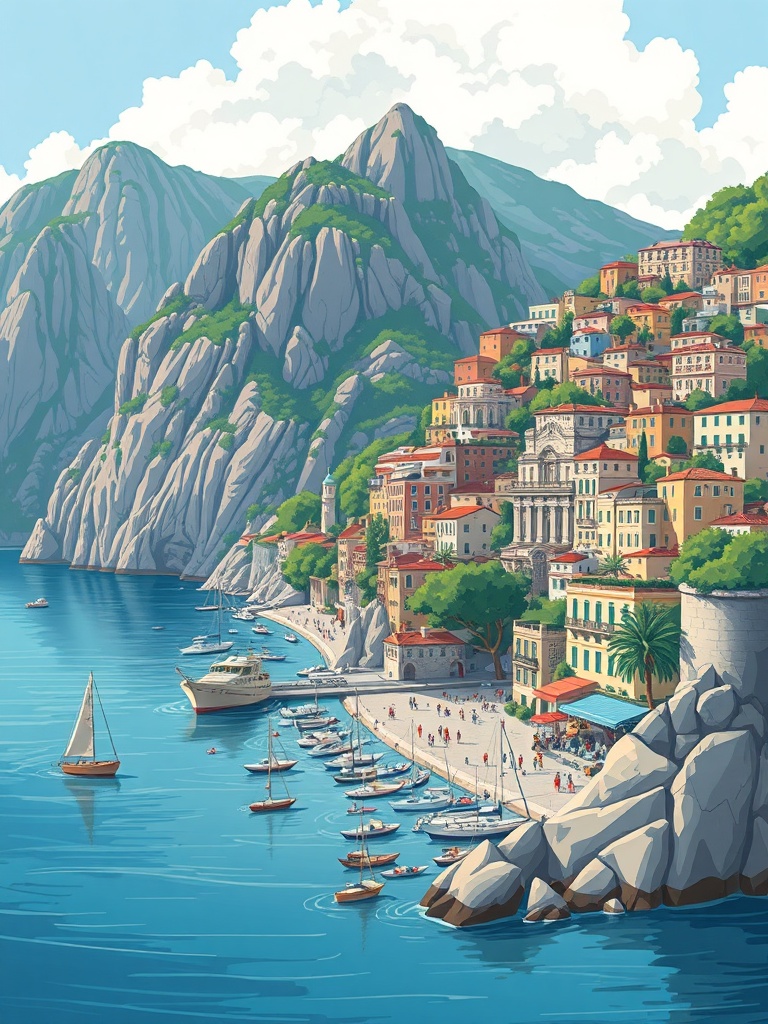
With careful planning, an Amalfi Coast visit can blend iconic highlights with quieter discoveries—sea, hillside, and culture combine to create a travel experience that stays with you long after you leave.
