 admin
adminHow to Build a Sustainable Digital Nomad Life: Practical Tips for Freedom and Stability
The appeal of a location-independent lifestyle remains strong: flexibility, cultural variety, and the chance to design work around life rather than the other way around. Yet thriving as a digital nomad takes more than a one-way ticket and a laptop.
Focus on sustainability—financial, physical, and social—to turn short-term travel into a long-term, resilient way of living.
Choose destinations that support work
Pick places with reliable internet, an established remote work community, and affordable healthcare. Look for cities with multiple coworking options, good flight connections, and easy entry rules for long stays. A mix of urban hubs and quieter towns helps balance productivity and rest. Prioritize safety, access to international pharmacies, and neighborhood walkability.
Create a durable work setup
A predictable work environment is essential.
Pack a lightweight noise-cancelling headset, a compact laptop stand, an external battery pack, and a portable keyboard if you prefer ergonomics. Rely on a mix of coworking spaces and quiet cafés, but ensure you have a backup: a mobile hotspot or an eSIM with solid data plans, and a VPN to protect sensitive work connections.
Streamline finances and taxes
Automate income streams, invoices, and bill payments wherever possible. Use a primary bank with low foreign transaction fees and a credit card that offers travel perks or travel insurance.
Maintain clear records for tax purposes: track residency days, invoice dates, and contractor payments. Consult a tax professional experienced with cross-border work to avoid surprises.
Manage health and insurance proactively
A robust plan includes both local care access and comprehensive travel health insurance that covers telemedicine and emergency evacuation. Keep digital copies of prescriptions and a basic travel medical kit. Schedule regular health checkups during longer stays in places with good medical facilities.
Protect data and devices
Cybersecurity is non-negotiable. Use a password manager, enable two-factor authentication, and back up work to encrypted cloud storage. Avoid public Wi-Fi for sensitive transactions unless you’re on a secure VPN.
Keep device firmware and operating systems up to date to reduce vulnerabilities.
Build routines that travel with you
Stability often comes from habits rather than locations.
Create a morning routine that focuses on light exercise, a consistent start time, and a quick review of daily priorities.
Time zone juggling is a major stressor—block consistent “deep work” hours that overlap with clients or teammates when necessary, and protect a daily buffer for personal tasks.
Prioritize community and wellbeing
Long-term nomads can face loneliness or burnout. Seek local meetups, language classes, or co-living spaces to create social anchors.
Volunteer or take short courses to connect with locals and gain a sense of purpose beyond remote work. Respect personal limits: schedule downtime and offline days to recharge.
Travel slower and plan for transitions
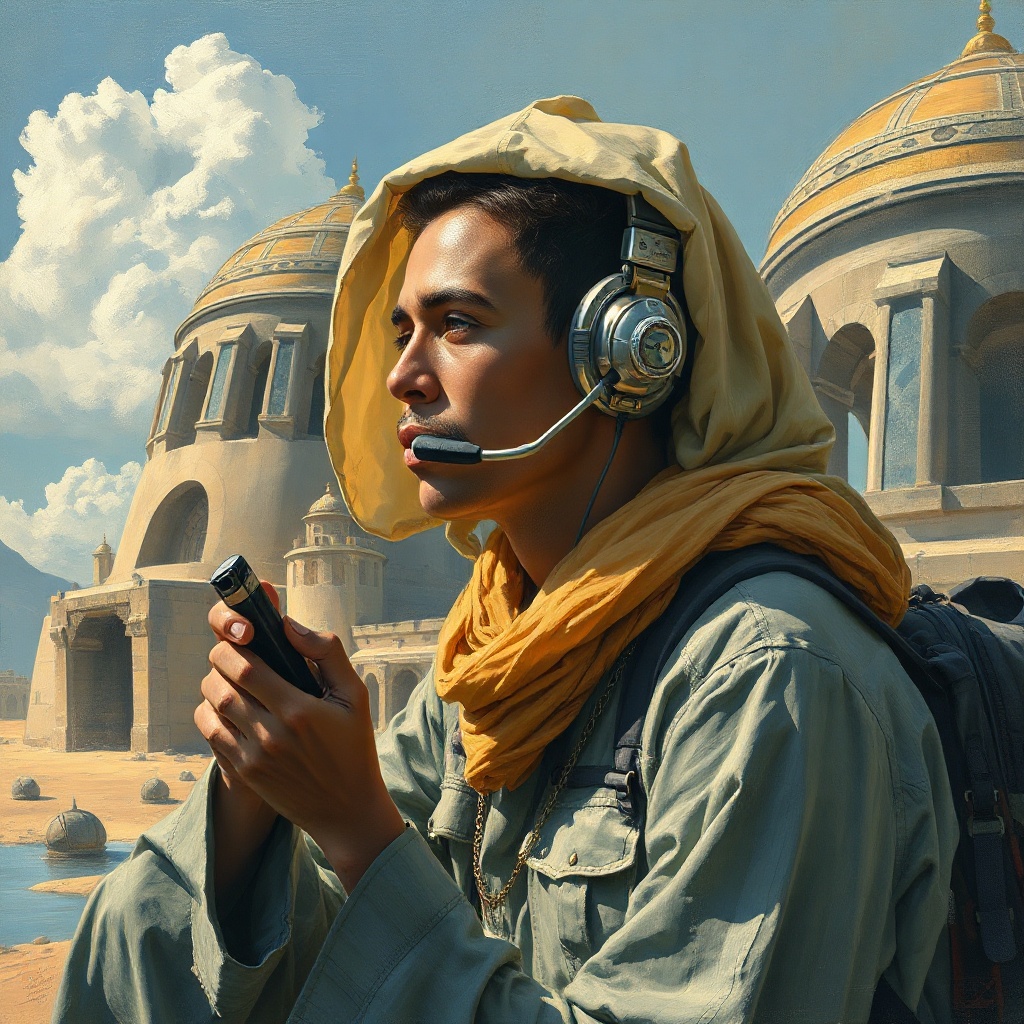
Slow travel reduces friction and deepens connections.
Staying several weeks or months in one place lowers relocation costs, simplifies logistics, and lets you build routines. Keep an up-to-date checklist for moves—visa documents, proof of accommodation, insurance details, and device chargers—to speed transitions and reduce stress.
A resilient digital nomad life combines freedom with foresight. By investing in reliable infrastructure, financial clarity, health protections, and community, location independence becomes less like a perpetual sprint and more like a sustainable way of life. With the right habits and tools, you can enjoy mobility without sacrificing sanity or security.
