 admin
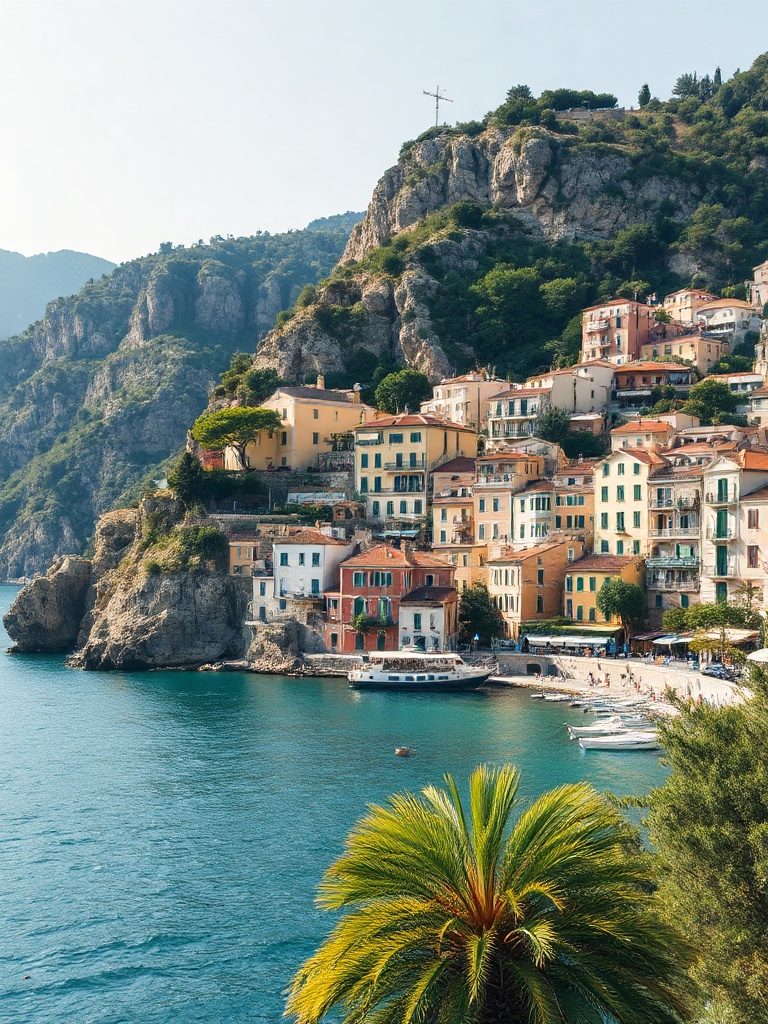
adminDramatic cliffs, terraced lemon groves and pastel villages cascading to the sea give the Amalfi Coast a magnetic appeal that keeps travelers returning. This compact stretch of coastline rewards slow travel: colorful harbors, hidden coves, excellent food and coastal walks provide a sense of discovery that outlasts postcard impressions.
Where to go
Positano is the image many have in mind — steep streets threaded with boutiques, a lively beachfront and cliffside cafes. Amalfi town centers around the striking cathedral (Duomo di Amalfi) and has a lively maritime history.
Ravello sits above the coast with gardens and panoramic terraces that make it a favorite for sunset views.
For a quieter base, consider Praiano, Atrani or Scala, where narrow lanes and local life are easier to access.
Top things to do
– Hike the Sentiero degli Dei (Path of the Gods) for unmatched coastal panoramas.
Trails vary in difficulty; wear sturdy shoes and bring water.
– Take a boat trip to explore sea caves and hidden beaches — small-boat tours often include stops for swimming and snorkeling.
The Emerald Grotto near the western end of the coast is a popular natural attraction.
– Wander villa gardens in Ravello, especially Villa Rufolo and Villa Cimbrone, for sweeping views and peaceful paths.
– Sample the cuisine: fresh grilled fish, scialatielli pasta, caprese salads, buffalo mozzarella and the region’s signature lemon desserts like delizia al limone. Don’t miss artisanal limoncello and local ceramics for souvenirs.
Practical travel tips
– Ferries and hydrofoils are often the fastest way to move between towns, avoiding narrow coastal roads and scarce parking. Schedules change seasonally, so check timetables before planning transfers.
– Roads are narrow and winding; driving is feasible but can be stressful. If you do drive, expect tight parking and many staircases once you reach towns.
Scooters are popular but require confidence on steep, curving cliffs.
– For photogenic light and smaller crowds, head out early or stay into the evening when day-trippers have left. Overnight stays in smaller villages offer a more authentic pace.
– Carry some cash; small shops, markets and certain cafes may prefer it. Many establishments observe midday closures, so plan lunches and activities around local rhythms.
Sustainability and etiquette
The Amalfi Coast faces pressure from tourism and environmental challenges.
Respect marked trails, avoid littering and limit single-use plastics. Support local businesses by choosing family-run eateries, artisanal producers and small boat operators that follow sustainable practices.
Be mindful of private property and local residents — quiet hours and polite behavior go a long way.
Packing essentials
Comfortable walking shoes, sun protection, a reusable water bottle, a light layer for breezy evenings and swimwear are must-haves.
If hiking, bring a small daypack with water, snacks and basic first-aid items.
Final note
The Amalfi Coast blends dramatic scenery with intimate cultural experiences. Whether exploring cliffside gardens, savoring lemon-forward cuisine or slipping into a secluded cove, letting the coastline set the pace will reveal its most memorable moments.
