 admin
adminParis remains one of the world’s most magnetic cities, blending iconic monuments with neighborhood discoveries, culinary creativity, and a growing focus on sustainable urban life. Whether planning a short escape or a longer stay, knowing how to move through the city and where to go will help you experience Paris beyond the postcards.
Start with the essentials: the Seine frames many of Paris’s greatest sights, and along its banks you can stroll past the Louvre, cross timeless bridges, or join locals picnicking on riverfront steps. Major museums like the Musée d’Orsay and the Centre Pompidou offer masterpieces and modern collections, while smaller institutions and temporary exhibitions reveal emerging artists and fresh perspectives. The popular museum-pass options make hopping between several venues easy for anyone wanting an art-packed itinerary.
Neighborhoods define Paris’s charm. The Marais mixes historic mansions with stylish boutiques and vibrant cafés; Saint-Germain-des-Prés keeps its literary cafés and antique shops; Canal Saint-Martin buzzes with laid-back bars and waterside terraces. Venture to lesser-known green spaces like Parc des Buttes-Chaumont for dramatic cliffs and city views, or the Promenade Plantée (Coulée verte) for a elevated garden walk that inspired similar urban projects abroad.
Culinary life in Paris has never been static.
Classic bistros and bakeries sit alongside inventive tasting menus and neighborhood markets. Open-air markets such as Marché d’Aligre and Marché des Enfants Rouges deliver seasonal produce and authentic street-food bites. For a true local experience, follow a café-lined street until a small terrace invites you to linger over espresso, people-watching, and a freshly baked croissant.
Getting around is easier than ever thanks to expanded bike lanes, a growing network of shared bicycles, and renewed attention to pedestrians. The public transit system connects neighborhoods efficiently; newer metro routes and extensions continue to reshape daily commutes and make previously tucked-away districts more accessible.
Walking remains the best way to absorb Paris’s layers — many of the city’s most memorable encounters happen by chance on foot.
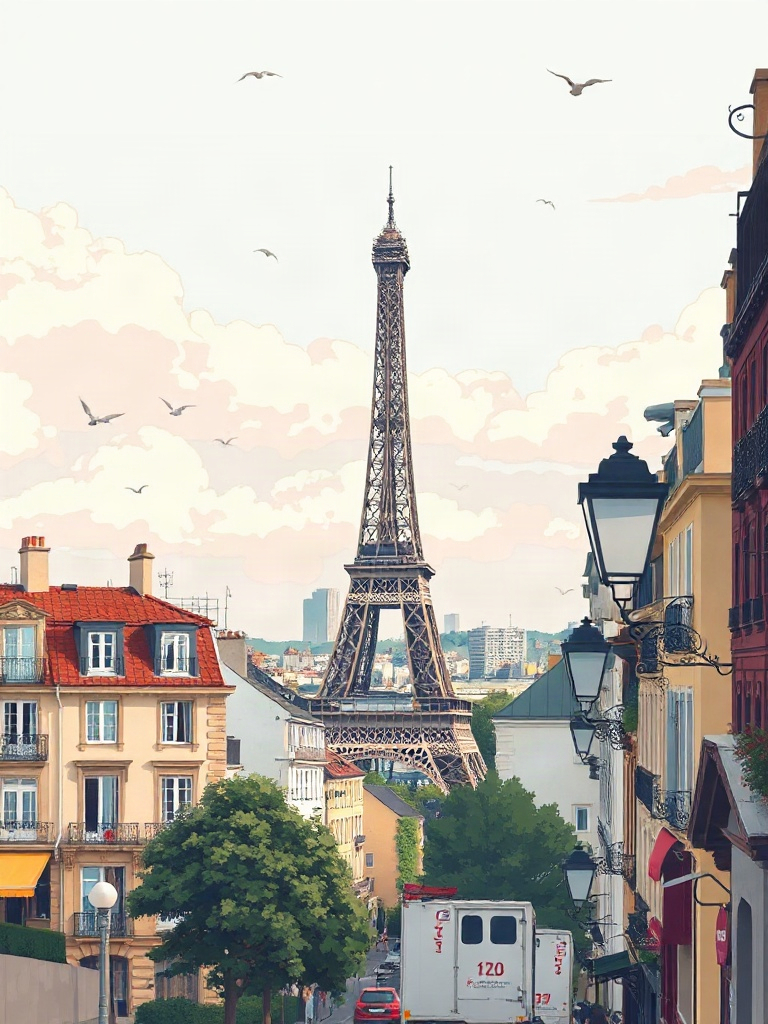
Sustainability is shaping Paris’s public spaces. Riverfront transformations have opened more areas to pedestrians and outdoor culture, while urban gardens and tree-planting efforts increase biodiversity. Creative adaptive reuse projects convert industrial sites into cultural hubs and community spaces, blending heritage with modern needs.
Practical tips for a smoother visit: choose neighborhoods based on the atmosphere you want rather than proximity to a single sight; book popular museum tickets in advance to avoid lines; learn a few basic French phrases — a polite “bonjour” and “merci” go a long way; and pack comfortable shoes since cobblestones and long avenues encourage walking.
If you want experiences off the beaten path, explore evening music scenes from small jazz clubs to underground electronic events, take a cooking or pastry workshop with local chefs, or join a guided street-art tour in eastern arrondissements. Photographers often find the golden light along the Seine or the rooftops viewed from Montmartre especially rewarding.
Paris continues to balance timeless elegance with contemporary reinvention.
The city invites repeat visits: every street, market, and museum can reveal something new depending on the season and your curiosity. For travelers seeking a blend of culture, food, and leisurely discovery, Paris remains an endlessly rewarding destination.
