 admin
adminParis Reimagined: How the City Is Prioritizing People Over Cars
Paris is undergoing a visible shift in how public space is used. Streets once dominated by traffic are being reclaimed for pedestrians, cyclists, and green life. This evolution is reshaping daily routines, tourism experiences, and the city’s environmental footprint — and it’s easy to explore, whether you live here or are visiting for a few days.
What’s changing
– Pedestrianized boulevards and riverbanks: Major stretches along the Seine and several central arteries have been converted into low-traffic promenades where people walk, jog, picnic, and enjoy pop-up cultural installations.
– Cycling and micromobility boost: An expanding web of protected bike lanes, secure bike parking, and shared-bike services has made two wheels a practical option. E-scooters and other micromobility options are integrated into the transport mix, although rules and parking discipline are enforced more strictly than before.
– Low-emission zones and traffic calming: Vehicle access in many neighborhoods is limited to reduce pollution and noise. Delivery windows, car-free weekends, and redesigned intersections emphasize safety and quieter streets.
– More green and social spaces: Pocket parks, tree-lined corridors, rooftop gardens, and temporary urban farms are increasingly common, bringing nature closer to dense residential and commercial areas.
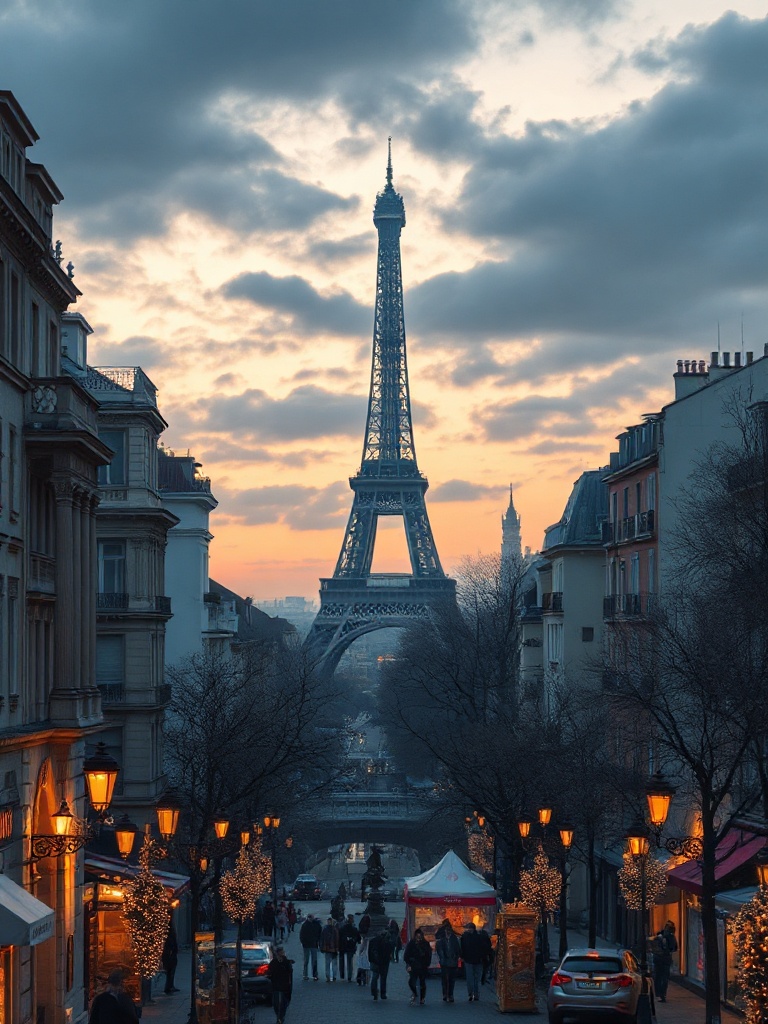
– The 15-minute city idea: Urban planning focuses on local living — shops, schools, healthcare, parks, and transit within a short walk or bike ride — which influences zoning and neighborhood projects.
Why this matters
Prioritizing people over cars improves air quality, reduces noise, and encourages healthier lifestyles through walking and cycling. It supports local businesses by creating pleasant streetscapes where customers linger. For visitors, the change offers more relaxed ways to experience neighborhoods: strolling historic districts without constant traffic, dining on expanded terraces, and discovering markets and cultural pop-ups in reclaimed public squares.
Tips for getting around and making the most of it
– Choose cycling for short trips: Use protected lanes and official bike-share schemes for convenience.
Helmets and lights are recommended; expect designated parking zones.
– Walk the river: The car-free sections of the Seine banks are ideal for sunset walks or a leisurely picnic — check local signage for permitted activities and access points.
– Respect low-emission rules: If you plan to drive, research vehicle restrictions and permitted hours for deliveries to avoid fines and delays.
– Time visits to popular pedestrian areas: Early mornings and evenings are often quieter and cooler, perfect for photographs and unhurried exploration.
– Support local commerce: Visiting markets, cafés with sidewalk seating, and small retailers helps ensure these pedestrian projects remain economically viable for neighborhoods.
Practical considerations
Public transport is still essential for longer trips; metro and tram networks connect with new walking and cycling routes to form seamless door-to-door options.
Check official municipal resources and local signage for the latest regulations on e-scooters, bike parking, and vehicle access — enforcement is active and can vary by neighborhood.
Paris’s public-space transformation is about more than design trends. It’s a concerted shift toward a livable, breathable city that blends heritage with modern mobility and green infrastructure. Whether exploring narrow Marais lanes, cycling between museums, or relaxing along the riverbanks, the evolving urban landscape makes the city easier to experience on foot, by bike, and at a human pace.
