 admin
adminLondon is reinventing itself as a greener, more walkable metropolis — and the changes are easy to enjoy whether you live here or are visiting for a few days.
From expanded cycle routes to quieter streets and improved river services, the capital is making movement around the city simpler, healthier, and often more scenic.
Move beyond the Tube: better walking and cycling
While the Underground remains the backbone of transport, more people are choosing two feet or two wheels. Continuous cycleways now connect many neighborhoods, and Santander Cycles provide a convenient pay-as-you-go option for short hops.
If you’re cycling, pick quieter parallel streets where possible, stay visible at junctions, and use the cycle superhighways on main arteries for faster cross-city trips. For walkers, many streets have been reconfigured to prioritize pedestrians, with widened pavements, new crossings, and reduced vehicle speeds in busy districts.
River travel and micro-mobility
The Thames is no longer just a backdrop — river bus services make the river a practical commuting route, often avoiding the Underground’s busiest lines and offering better views. Micro-mobility options, including dockless e-bikes and shared e-scooters in trial zones, can cover the “last mile” effortlessly.
Note that private e-scooters remain restricted on public roads, so opt for approved rental schemes where they operate.
Green lungs and outdoor culture
Parks and waterways are central to London life. The Royal Parks, canal towpaths, and vast commons provide space for running, picnics, and outdoor events.
New pocket parks and greening projects are appearing in neighborhoods across the city, often converting unused plots into community gardens and play areas.
Southbank and the Thames path frequently host pop-up stalls, outdoor performances, and markets — great for a stroll or impromptu afternoon.
Eat, drink, explore local neighborhoods
London’s food scene thrives beyond headline restaurants. Borough Market, street-food hubs, and independent traders in neighborhoods like Peckham, Brixton, and Camden offer diverse flavors. Small-scale producers and sustainable eateries are increasingly visible, with menus highlighting seasonal, locally sourced produce. For a relaxed evening, riverside pubs and rooftop bars offer alfresco options that capture the city’s skyline and social energy.
Smart planning and practical tips
Make travel smoother with contactless payment on most public transport and mobile ticketing for many services — no need to carry cash for daily travel. Use apps that combine timetables, walking directions, and live updates to pick the fastest route; they also help you find bike docks and river piers. If you’re navigating during peak hours, aim for early or late travel to avoid crowds on main lines.
Safety and accessibility
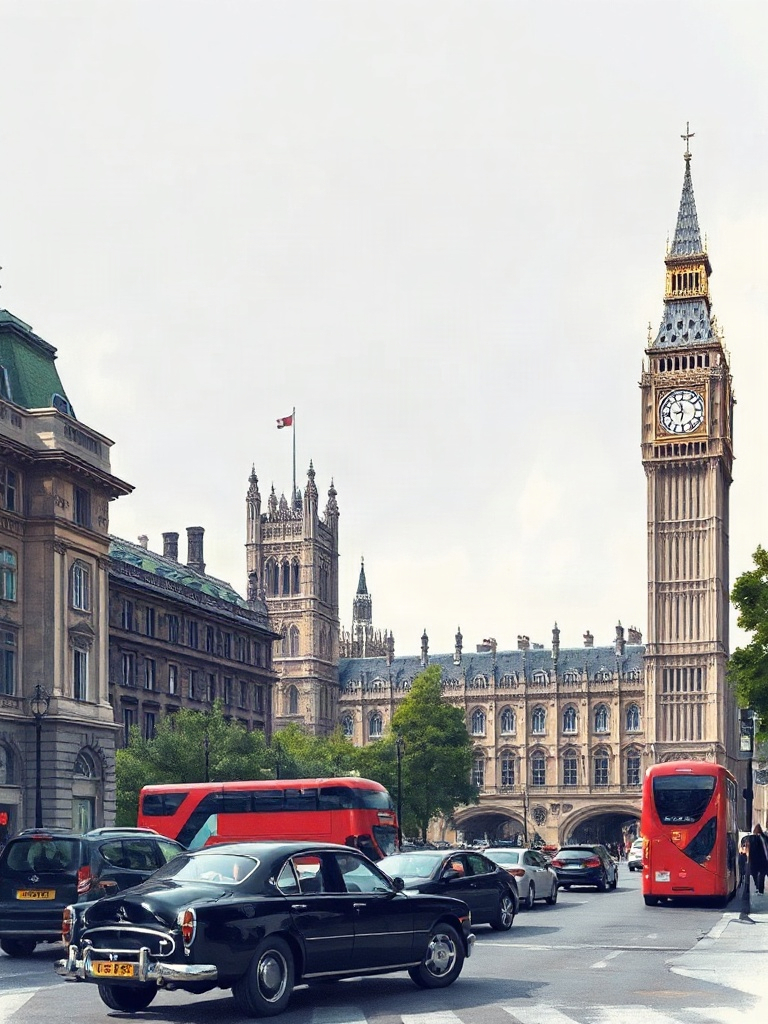
London’s streets continue to evolve with safety in mind — lower speed limits in central areas, pedestrian improvements, and new crossings.
Accessibility remains a priority, but some stations and historic areas still present challenges for step-free access; planning ahead helps. Many cultural venues now offer detailed accessibility information online.
Why it’s worth exploring on foot
Walking lets you discover murals, independent shops, and small parks that don’t always appear on guidebooks. Taking slower routes often reveals the city’s contrasts: elegant squares, gritty street art, and tranquil canals within minutes of busy shopping streets. Whether you’re after culture, food, or a breath of fresh air, exploring London on foot or by bike puts the city’s layers within easy reach.
