 admin
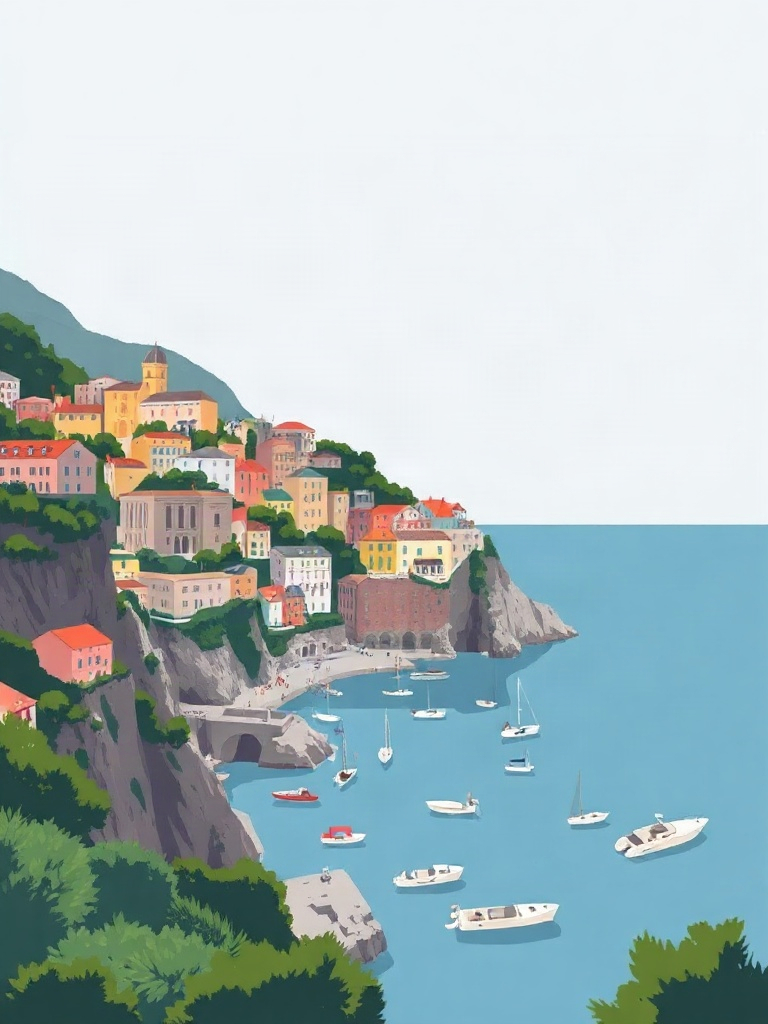
Dramatic cliffs, pastel villages clinging to steep terraces, and a Mediterranean palette of blue and gold—this is the Amalfi Coast, one of the most evocative coastlines in Europe.
Beyond the postcard views, it’s a living region with distinctive food, vibrant local crafts, and experiences that reward slow exploration.
Where to go and what to do
Positano grabs attention with its cascading houses and pebble beaches; wander its steep lanes, browse boutiques for linen and handmade sandals, then pause at a cliffside café for an espresso. Amalfi, the historic port, centers around the cathedral (Duomo) and lively piazza—its paper-making tradition is worth a detour to a small museum. Ravello perches higher and offers serenity with sweeping cliff gardens like Villa Rufolo and Villa Cimbrone, where music festivals and sunset views amplify the romance of the place.
Less trafficked gems include Atrani, with an intimate town square steps from the sea, and Cetara, a fishing village renowned for anchovy-based specialties. Vietri sul Mare at the eastern edge of the coast is famed for colorful ceramics that make ideal gifts and home accents.
Getting around
The coastline’s narrow roads are an attraction and a practical challenge. Ferries and private boats provide a scenic and efficient way to hop between towns while avoiding traffic. Local buses serve every main village but expect crowded rides during popular travel periods. Driving offers flexibility, yet narrow switchbacks and limited parking mean many visitors prefer to park and explore by foot, boat, or public transport.
Active experiences
Hiking adds an unforgettable perspective.
Trails connect clifftop hamlets, with the Path of the Gods delivering panoramic views of sea and terraced lemon groves. Sea-kayaking and small-boat trips reveal hidden coves and sea caves, perfect for snorkelling or quiet beach landings.
For photographers and daydreamers, early mornings and late afternoons deliver the softest light and smaller crowds.
Food and drink
Cuisine here is bright, simple and intensely local.
Fresh seafood, scialatielli pasta, buffalo mozzarella, and generous use of citrus define the table. Limoncello and lemon-infused pastries capture the region’s most famous crop. Small family-run trattorie often serve the best meals—ask locals for recommendations and let the day’s catch dictate your order.
Where to stay
Accommodation ranges from luxury cliffside hotels with infinity pools to intimate guesthouses and agriturismos tucked into the hills. Consider staying in different towns for varied perspectives: a night in Amalfi, a night in Positano, and a quieter night inland or in Ravello makes for a richer itinerary.
Responsible travel tips
Support small businesses by choosing family-run restaurants, artisan shops, and local guides. Reduce waste by bringing a refillable water bottle—many towns have public water fountains offering drinkable water.
Respect narrow lanes and residential areas by keeping noise low late at night. If you take a boat trip, choose operators who follow marine conservation practices.
Planning pointers
Aim to visit outside the busiest windows to enjoy more space on beaches and trails. Book popular boat tours and guided hikes in advance to secure spots. Pack comfortable shoes for cobbled streets and a light layer for breezy evenings.
The Amalfi Coast rewards curiosity and patience. Wander off a main street, follow a scent of lemon blossom, and allow time to simply watch the sea—those unplanned moments often become the most vivid memories.
