 admin
Paris continues to charm with a mix of iconic landmarks and quietly evolving neighborhoods, making it ideal for first-time visitors and seasoned travelers seeking fresh angles. Whether you’re after classic museums, hidden gardens, or a culinary deep dive, here’s a practical guide to experiencing Paris with local savvy.
Start with timeless must-sees, but mix them with less crowded finds. The Eiffel Tower, Notre-Dame façade and the Louvre are enduring draws; arrive early or choose late-afternoon visits to avoid peak crowds. Complement those with Musée d’Orsay for impressionist richness, Musée Rodin for sculpture in an intimate setting, and the contemporary collections at the Centre Pompidou.
Neighborhood-focused exploration yields the best discoveries. Le Marais blends narrow medieval streets with boutique shopping and Jewish and LGBTQ+ heritage.
Saint-Germain-des-Prés offers literary cafés and elegant galleries.
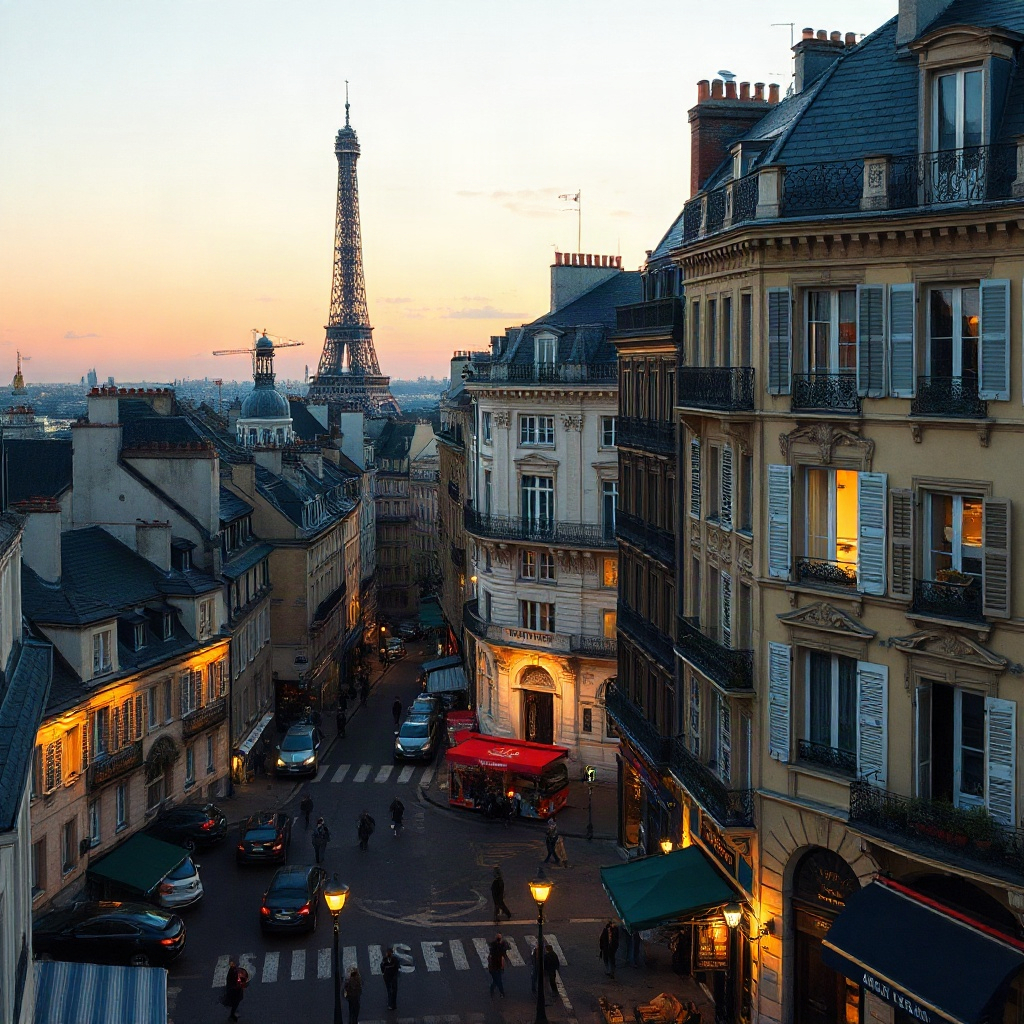
For a more bohemian vibe, wander Canal Saint-Martin’s waterside cafés or head up to Montmartre for sweeping city views and backstreets that still feel like a village. Belleville and the 20th arrondissement reward curious visitors with vibrant street art and affordable bistros.
Food is a central Paris experience. Start mornings at a neighborhood boulangerie for flaky croissants and pain au chocolat, and follow with a marché visit to sample seasonal produce, cheeses and charcuterie. Bistro dining remains a reliable way to taste classic French fare; look for places where locals gather. For pastry lovers, seek out artisanal pâtisseries rather than tourist-packed storefronts, and try a traditional tarte tatin or a delicate éclair. Wine bars (caves à vin) offer an approachable way to explore local vintages with small plates.
Getting around is straightforward and frequently faster than driving. The metro is dense and efficient for most central itineraries; walking connects many nearby sights and reveals charming streets you’d miss underground.
Bike-share services and dedicated cycling lanes make two-wheeled exploration practical, though stay alert for scooters and buses. Contactless payment and mobility apps are widely accepted for convenience. Keep basic safety in mind: pickpocketing can occur near busy stations and attractions, so carry essentials discreetly.
Sustainability and urban renewal shape new ways to enjoy the city. Riverbank pedestrian zones, expanded cycling infrastructure, rooftop gardens and revitalized public spaces make outdoor time more pleasant. Small neighborhood initiatives—pop-up markets, local art shows and community gardens—offer a closer look at everyday Parisian life.
Practical tips for a smoother visit:
– Learn simple greetings (bonjour, merci) — they go a long way in shops and cafés.
– Carry a refillable water bottle; free water fountains and bottle-refill stations are common.
– Credit and contactless payments are broadly accepted; keep some cash for tiny vendors.
– Book popular museums and late-night river cruises in advance to secure preferred times.
– Pace your itinerary: pick one or two major sites per day and allow time for unplanned discoveries.
Paris rewards slow travel.
Spend time in a single arrondissement, linger over coffee, and let the city’s layers unfold on foot.
From grand avenues to secret courtyards, every visit can feel both familiar and newly revealing when you balance headline attractions with local routines.
