 admin
Amalfi Coast: essential tips, sights, and local flavors
The Amalfi Coast is a compact masterpiece of dramatic cliffs, pastel villages, lemon terraces, and sparkling Mediterranean water.
Whether planning a relaxed seaside escape or an active adventure, this coastline rewards with unforgettable views, narrow streets full of character, and food that celebrates local ingredients.
Must-see towns and viewpoints
– Positano: The iconic vertical village of cascading houses and steep stairways. Stroll the boutique-lined lanes, relax at Marina Grande, and capture classic sunset photos from the seafront.
– Amalfi: Home to an impressive cathedral with a striking façade, lively piazzas, and historic paper-making traditions. Wander the backstreets to find artisan shops and cozy cafes.
– Ravello: Perched above the coastline with sweeping views, Ravello is known for villa gardens—Villa Rufolo and Villa Cimbrone—and a refined cultural calendar of concerts and events.
– Vietri sul Mare and Cetara: Vietri’s colorful ceramics make perfect souvenirs; Cetara is the place to taste anchovies and seafood specialties straight from the fishing boats.
Outdoor experiences
– Path of the Gods (Il Sentiero degli Dei): One of the world’s most scenic hikes, the trail offers panoramic views of the coastline and Capri. Wear sturdy shoes, bring water, and plan for changing weather on the ridgelines.
– Boat trips: Exploring by boat reveals hidden coves, dramatic sea caves, and access to Capri and the Blue Grotto. Private skippers give flexible stops for swimming and snorkeling.
– Beaches and sea swims: Many beaches are pebbled and accessed by steps—popular spots fill quickly, so aim to arrive early or choose a quieter bay for a relaxed swim.
Food and drink to try
Lemons dominate the local cuisine—look for limoncello, lemon desserts like delizia al limone, and fresh salads brightened with zest. Seafood is central: grilled or fried catches, spaghetti alle vongole, and scialatielli—a local pasta—are must-orders. For authentic small-plate dining, seek out family-run trattorie and the fish markets at sunrise.
Getting around and practical tips
– Driving the Amalfi Drive (SS163) is iconic but narrow and winding; experienced drivers should be cautious, and parking is limited. Consider leaving the car and using ferries, local buses, or private transfers.
– Ferries provide scenic and efficient links between coastal towns and nearby islands.
Buses reach many villages but can be crowded during peak travel periods.
– Carry cash for small purchases—some family businesses still prefer it—and pack layers for cool evenings and cliff-top breezes.
– Respect local customs and the fragile landscape: stick to marked trails, support local businesses, and limit single-use plastics to protect marine life.
Where to stay
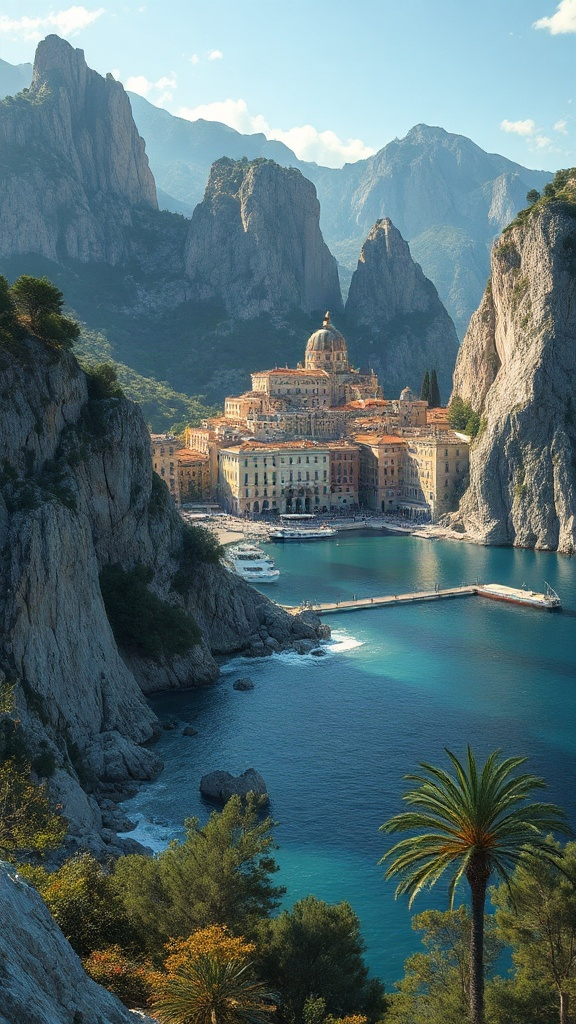
Choose a base that matches your mood: Positano for glamour and beach access, Amalfi for historic ambiance, Ravello for romance and quieter nights, or a lesser-known village for budget-friendly and local-flavored stays. Booking ahead helps secure rooms with the best views and quieter locations.
Final travel advice
Plan around crowd patterns and local events to make the most of the coastline’s serenity.
Embrace slow travel—savor long meals, wander without a strict itinerary, and let the coastline’s natural rhythm set the pace. The Amalfi Coast is best experienced slowly, one scenic stretch, lemon grove, and seaside meal at a time.
