 admin
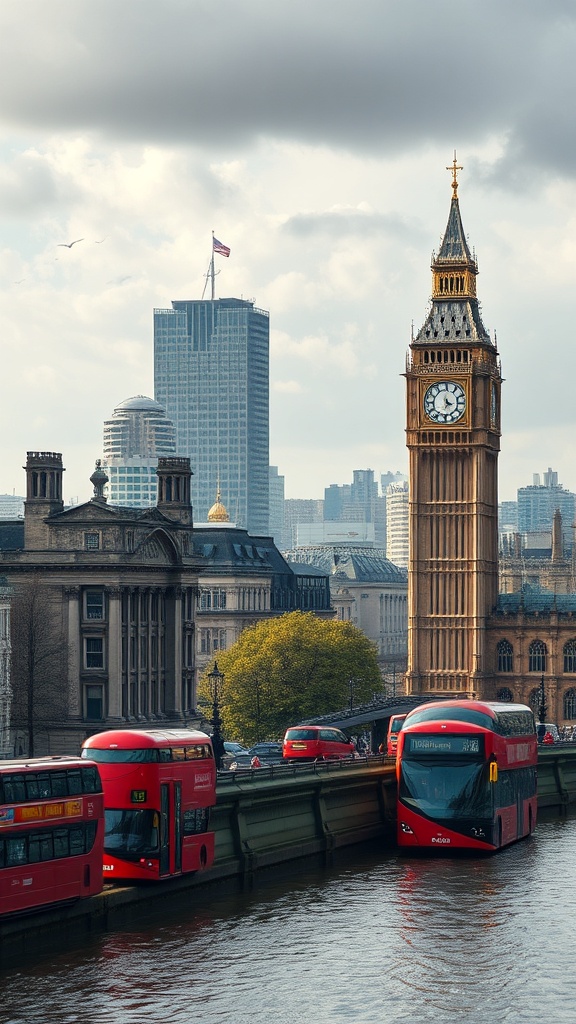
adminLondon keeps reinventing itself without losing what makes it magnetic: a mix of history, culture and rapid change in how people move, work and relax. For residents and visitors alike, understanding the city’s evolving streetscape, transport options and public spaces unlocks better days out and smoother commutes.
What’s changing on the streets
The push for cleaner air and calmer neighbourhoods is shaping daily life. Ultra Low Emission Zone (ULEZ) measures mean many drivers need compliant vehicles or face a daily charge, nudging more people toward public transport, walking, cycling or car-sharing.
Rental e-scooters operate only under licensed schemes and private models remain illegal on public roads, so check local rules before hopping on.
Cycling and micro-mobility have grown with expanded protected lanes and more cycle hire docks across central and outer boroughs.
For short trips, Santander Cycles and dockless bike schemes make getting around practical and often faster than driving during peak times.
Transport tips that save time
– Use contactless or Oyster-style cards on buses and tubes for seamless tap-and-go payment.
– Plan cross-river journeys with river bus services and foot tunnels; walking along the South Bank is often quicker than multiple tube changes.
– For longer commutes, consider rail over Tube for fewer stops and more reliable journey times during rush windows.
Green spaces and local life
London’s parks remain huge selling points—Royal parks, hidden squares and newly created pocket parks offer shade, events and opportunities for outdoor exercise. Borough and community initiatives are adding green roofs, tree planting and bee corridors, making streets cooler and more habitable during warm spells.
Markets and neighbourhood culture
Markets are a great way to sample London life: from artisanal foods and vintage finds to multicultural street food, markets animate neighbourhoods across the city.
Borough, Brick Lane, Portobello and Camden still draw crowds, while smaller community markets are hubs for local makers and seasonal produce.
Culture without a high price
Many national museums and galleries offer free entry to their permanent collections, making world-class art and history accessible. Performance venues, independent cinemas and pop-up exhibitions keep the cultural calendar full; checking listings for late openings, free talks and outdoor shows rewards curious visitors.
River and resilience
Investment in riverfront regeneration and flood resilience improves access to the Thames and protects riverside neighbourhoods. The Thames Path remains one of the best ways to explore changing waterfronts — from historic docks to modern developments — often with fewer crowds and better views than central streets.
Practical safety and comfort
– Carry a small umbrella and layers; the weather in London can change quickly.
– Be mindful of pickpocketing in crowded tourist hubs; use zipped bags and stay aware.
– Tap into local apps for real-time transport updates and walking routes that avoid busy roads.
Why it matters
Understanding how London is evolving helps make smarter choices—whether planning a visit, moving between neighbourhoods, or simply enjoying an afternoon outdoors.
The city balances big infrastructure projects with hyper-local improvements, meaning there are always new streetscapes to explore, new market stalls to try, and more green corners to discover.
