 admin
adminHow Airlines Are Changing: Sustainability, Technology, and Better Passenger Experience
Airlines are undergoing a noticeable shift driven by sustainability goals, digital innovation, and evolving passenger expectations.
Understanding these trends helps travelers choose carriers that align with their priorities — whether that’s lower emissions, smoother airport journeys, or smarter price options.
Sustainability is moving from PR to operations
Sustainability initiatives are now a key differentiator. Many airlines are investing in sustainable aviation fuel (SAF), fleet renewal with more fuel-efficient models, and operational efficiencies such as single-engine taxiing and optimized flight paths to cut fuel burn. Carbon offset programs remain common, but passengers are placing greater emphasis on measurable commitments: percentage of SAF used, fleet replacement plans, and transparent emissions reporting. When comparing fares, look for airlines with clear decarbonization roadmaps and partnerships with reputable SAF producers.
Technology improves speed and comfort
Biometric identity systems are increasingly used at check-in and boarding to speed up processing and reduce touchpoints.
Mobile-first ticketing, real-time bag tracking, and enhanced passenger apps make travel more predictable. Expect more widespread in-flight connectivity options that let travelers stream, work, and stay connected — sometimes included with premium seats or loyalty tiers. For long-haul flyers, new cabin products emphasize privacy and wellness, with mood lighting, improved air filtration, and ergonomically designed seats.
New aircraft and propulsion options
Fleet modernization is a major focus. Airlines are retiring older, less efficient planes in favor of newer narrowbodies and widebodies that deliver lower fuel burn per seat.
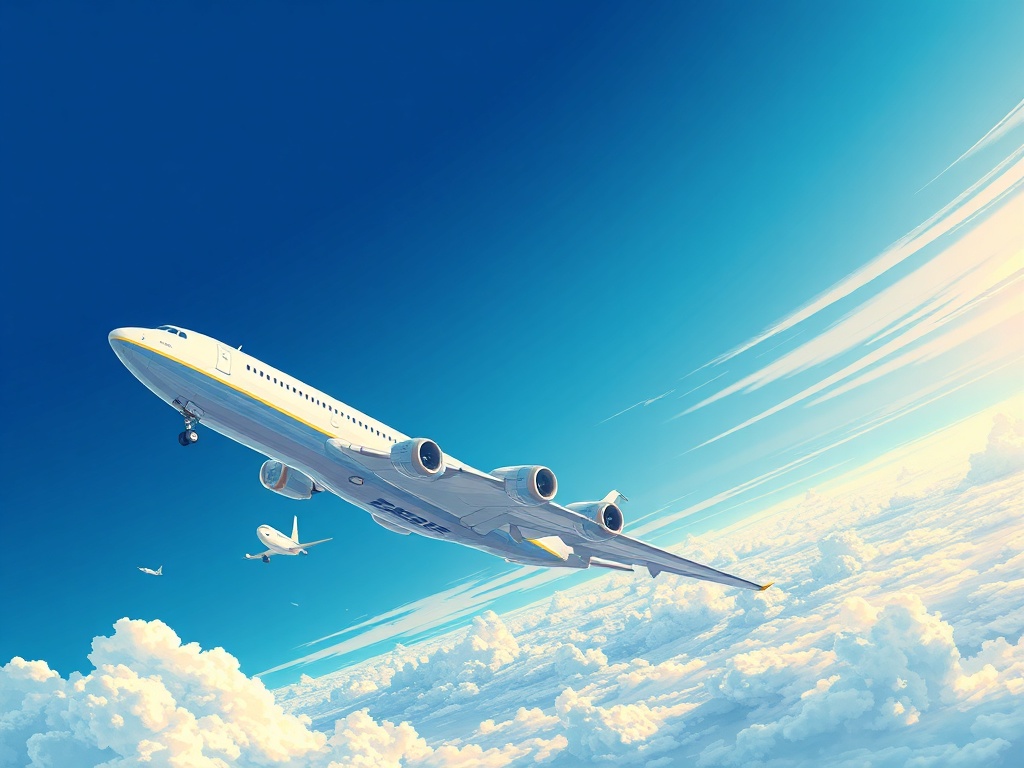
At the same time, research and demonstration projects for electric and hydrogen propulsion are progressing.
These technologies are promising for short-haul and regional routes first, while long-distance flying will benefit from SAF and hybrid systems as they scale.
Pricing, ancillary revenue, and loyalty
Ticket pricing continues to evolve with more personalized offers and dynamic bundles. Ancillary revenue strategies — seat selection fees, checked baggage charges, premium boarding, and subscription models — remain central to airline profitability.
Loyalty programs are shifting toward flexible redemption options and partnerships beyond flights, including hotels, rideshares, and retail, making points more useful for frequent and occasional travelers alike.
Passenger expectations and airport integration
Travelers now expect smooth end-to-end journeys. Key improvements include:
– Seamless transfers between ground transport and airports via integrated booking and real-time updates
– Faster security and border processes using biometrics and automated lanes
– More food and retail options tailored to traveler preferences, often bookable before arrival
Airports and airlines are collaborating to reduce connection times and improve reliability, particularly for hub-to-hub transfers.
What travelers should look for when booking
– Transparency on sustainability: SAF usage, carbon reporting, and fleet plans
– Clear baggage and change policies to avoid unexpected fees
– In-flight Wi-Fi and entertainment options if connectivity matters
– Loyalty flexibility and useful partner networks for redeeming points
– On-time performance and route reliability, especially for tight connections
The airline industry is balancing innovation and economics while responding to passenger demand for sustainability and convenience.
Those who adapt quickly — through greener operations, smarter technology, and customer-focused services — will shape the future of air travel. When choosing an airline, prioritize transparency and features that best match travel needs to get the most value and a more predictable journey.
