 admin
adminThe modern hotel is evolving faster than ever, shaped by shifting traveler expectations, smart technology, and a stronger focus on sustainability.
Whether planning a business trip, a relaxing getaway, or an extended stay, understanding current hotel trends helps guests choose accommodations that match comfort, convenience, and values.
Contactless tech and seamless service
Contactless check-in, mobile room keys, and in-room voice or app controls are now standard for many properties. These technologies reduce friction at arrival and let guests manage temperature, lighting, entertainment, and service requests from a smartphone. Behind the scenes, property management systems and guest apps are integrating to deliver personalized offers—room upgrades, dining credits, or spa bookings—based on previous stays and preferences.
Sustainability as a selling point
Sustainability is more than a marketing line. Hotels are adopting measurable practices: energy-efficient HVAC systems, LED lighting, low-flow fixtures, waste reduction programs, and local-sourcing for food and amenities. Certifications and transparent sustainability reporting help guests identify eco-conscious properties. For hotels, investing in green measures can lower operating costs and attract high-value travelers who prioritize responsible travel.
Wellness and space that adapts
Wellness amenities extend beyond a gym and a spa. Modern hotels emphasize sleep quality, air purification, healthy menus, and in-room fitness solutions. Flexible spaces allow hotels to convert lobbies into co-working areas, event spaces, or quiet lounges, catering to remote workers and “bleisure” travelers who mix business and leisure. Designing rooms with multifunctional furniture and reliable high-speed internet increases appeal for longer stays.
Local experience and authenticity
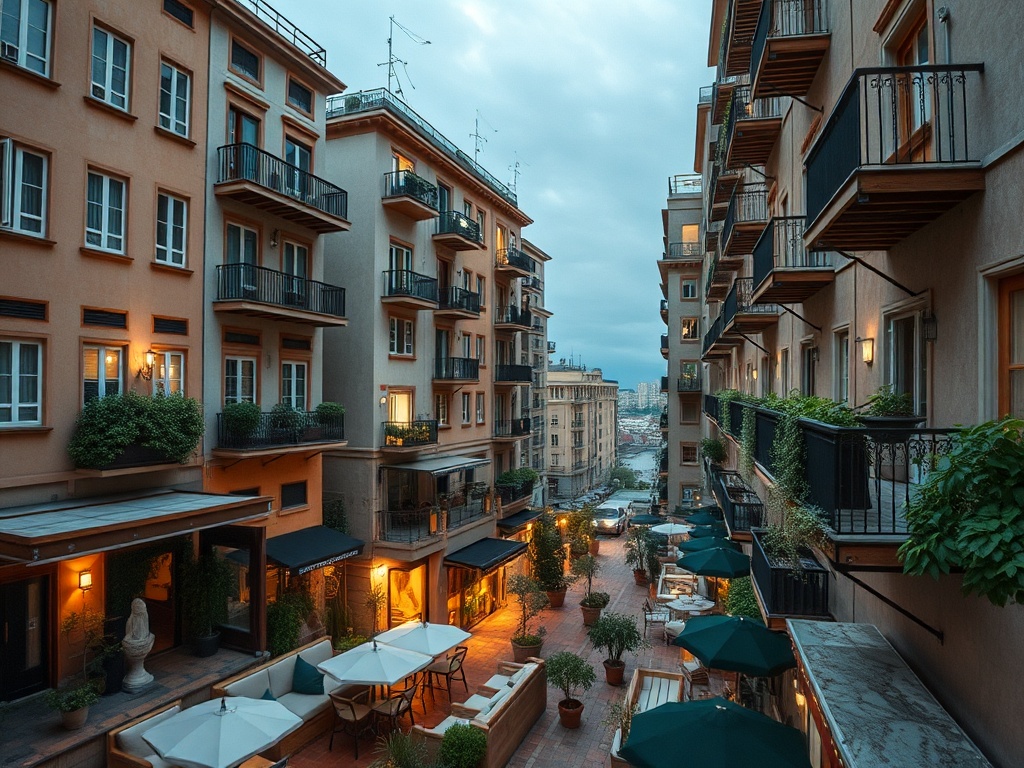
Guests increasingly seek authentic local experiences. Hotels partner with neighborhood businesses for curated tours, cooking classes, and neighborhood guides. Boutique and independent properties excel here, using local art, design, and cuisine to create memorable stays. Even larger brands are experimenting with regionally inspired programming to compete on authenticity.
Personalization and loyalty
Data-driven personalization informs room preferences, dining choices, and targeted promotions. Loyalty programs remain a major driver of repeat bookings, but flexibility is key: points that convert to experiences, partnerships with local businesses, and easier redemption options resonate strongly with modern travelers.
Clear communication about benefits and status perks enhances guest loyalty without creating confusion.
Design and accessibility
Design now balances aesthetics with accessibility. Universal design principles—wider doorways, step-free access, tactile signage—make stays comfortable for more travelers. Biophilic design, natural materials, and daylight-focused layouts improve mood and well-being.
Thoughtful design choices also help properties stand out in visual-driven booking channels.
Practical tips for travelers
– Check the hotel’s tech offerings before booking if contactless service or in-room controls matter.
– Look for sustainability certifications or transparent policies if eco-practices influence decisions.
– Consider location and partnerships for authentic local experiences rather than just star ratings.
– Compare loyalty program benefits, especially flexible reward options that match travel habits.
– For work trips, verify reliable internet speeds and available co-working or meeting spaces.
For hotel operators, investing in flexible design, measurable sustainability measures, seamless tech integration, and authentic local partnerships provides a competitive edge. For travelers, focusing on these aspects leads to stays that are more comfortable, convenient, and aligned with personal values. The hospitality landscape will keep adapting, but prioritizing guest experience and responsible practices is a durable strategy for success.
