 admin
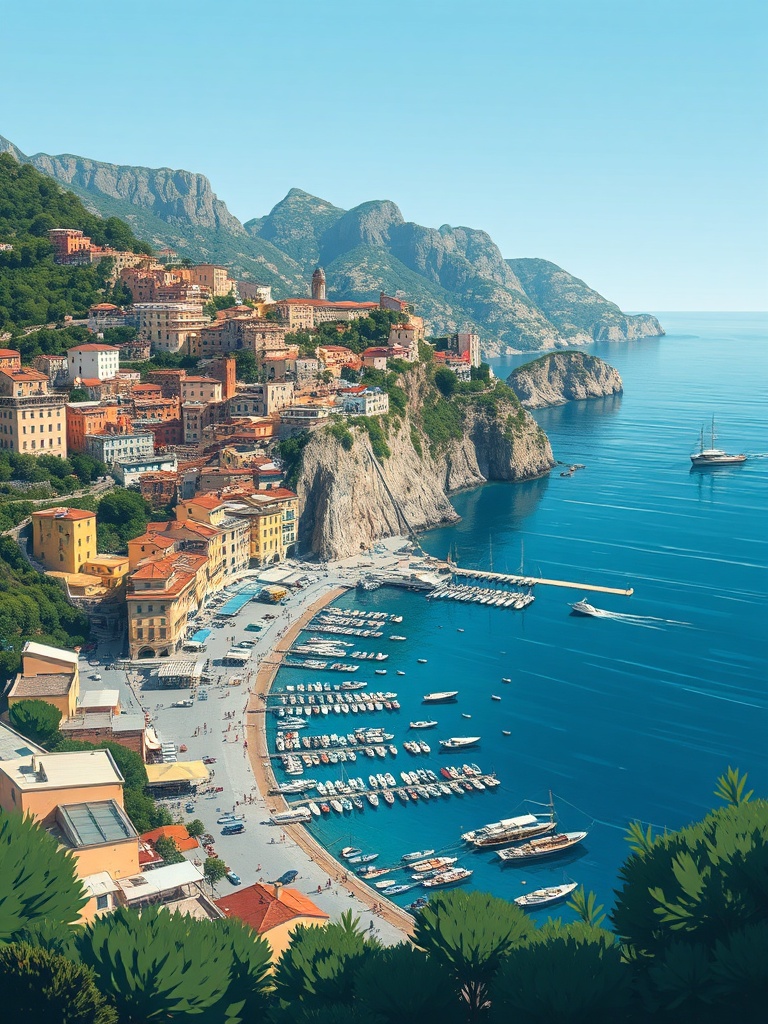
adminDramatic cliffs, pastel villages clinging to steep terraces, and crystalline waters make the Amalfi Coast one of the most coveted coastal escapes in Europe. Beyond the postcard views, this coastline offers a rich mix of culture, cuisine, and outdoor adventure—ideal for travelers who want more than just a photo op.
What to see and do
– Positano: Famous for its cascading houses and fashion boutiques, Positano rewards slow exploration. Wander the narrow lanes, discover handmade sandals and linen clothing, and pause on a cliffside terrace for seafood with a view.
– Amalfi town: The historic center centers around the impressive cathedral and a lively piazza. Explore paper-making workshops and take a stroll along the harbor to soak up local life.
– Ravello: Perched high above the sea, Ravello is known for lush villa gardens and sweeping vistas. Villa Rufolo and Villa Cimbrone both offer panoramic terraces that are perfect for sunset.
– Beaches and coves: Small pebble beaches and hidden coves are best accessed by boat.
Renting a small motorboat or joining a private tour makes it easy to visit quieter spots and swim in sheltered waters.
– Hiking: Trails like the Path of the Gods reward hikers with dramatic coastal panoramas. Trails vary in difficulty, so choose routes that match your fitness and footwear.
Getting around
Roads along the coast are narrow and winding; while driving offers flexibility, it can be stressful during peak visitor periods. Public ferries provide an efficient and scenic alternative between major towns, with the bonus of avoiding traffic and parking headaches. Local SITA buses are an affordable option but can be crowded and less predictable. Booking transfers or private drivers is a comfortable choice for those who prefer convenience.
Eating and drinking
The Amalfi Coast’s cuisine is anchored in fresh seafood, bright citrus, and simple, high-quality ingredients. Must-try items include grilled fish, seafood pasta, and specialty desserts from local pastry shops. Limoncello, distilled from local lemons, is a signature digestif—look for artisanal versions made from handpicked fruit. Small family-run trattorie and agriturismi often serve some of the most memorable meals.
Practical tips
– Accommodation: Consider staying in one town and exploring others by ferry to minimize packing up. Booking ahead helps secure preferred locations and views.
– Packing: Bring comfortable shoes for cobbled streets and stairs, sun protection for exposed terraces, and a reusable water bottle to reduce plastic waste.
– Accessibility: Many towns have steep streets and steps; those with mobility limitations should check property access and transport options before arrival.
– Responsible travel: The coastline is environmentally sensitive. Support local businesses, avoid littering, and choose sustainable operators for boat trips and tours.
Photography and timing
Light on the coast is particularly beautiful at golden hour; early morning offers softer light and fewer crowds for village shots. For candid street scenes and terrace views, aim for off-peak times when towns settle into a quieter rhythm.
Why it endures
The Amalfi Coast blends natural beauty, craftsmanship, and an unmistakable sense of place. Whether savoring a slow meal on a cliffside terrace, drifting between coves on a small boat, or following a mountain trail with the sea below, the coastline rewards travelers who slow down and embrace local rhythms. For those planning a visit, combining popular highlights with quieter discoveries will deliver a memorable and authentic experience.
