 admin
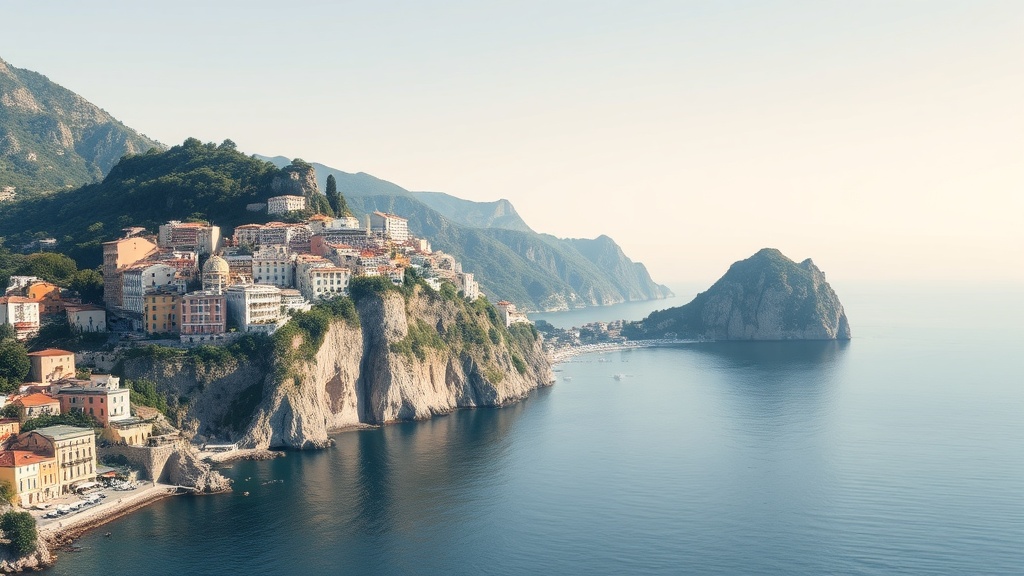
adminThe Amalfi Coast charms with steep cliffs, pastel villages clinging to rock, and terraces of lemon trees that scent the air. A UNESCO-listed coastline, it rewards travelers who mix seaside relaxation with active exploration—boat trips, cliff-top gardens, hidden coves and classic Italian food.
What to see and do
– Positano: The postcard town with cascading houses, boutique shops and a lively beach scene. Wander the steep lanes early to avoid peak crowds, then linger at a café for people-watching and espresso.
– Amalfi town: Once a maritime republic, Amalfi combines historic charm with practical services—cathedral steps, narrow streets, and access to boat services that connect other coastal villages.
– Ravello: Perched above the sea, Ravello is famed for sweeping views and cliffside gardens like Villa Rufolo and Villa Cimbrone, where music events and open-air concerts often draw visitors seeking culture and serenity.
– Hidden gems: Small fishing villages such as Cetara are prized for anchovies and authentic seafood, while the Fiordo di Furore—a dramatic fjord-like inlet—offers striking photo opportunities and dramatic cliffs.
Active adventures
– Sentiero degli Dei (Path of the Gods): This iconic trail links mountain villages above the coast with spectacular panoramas. The route is moderate, with uneven terrain and exposed sections; sturdy shoes, water, and sunscreen are essential.
– Sea exploration: Renting a small boat or joining a guided excursion opens access to sea caves, secluded beaches, and snorkeling spots that are unreachable from land.
Private skippers can tailor routes to include sunrise or sunset cruises.
– Beaches: Sandy stretches are limited, so plan ahead. Popular beaches fill quickly; smaller coves and pebbly inlets reward those willing to walk or take a short boat ride.
Taste of the coast
The region’s cuisine focuses on fresh seafood, handmade pasta and citrus.
Try scialatielli with seafood, spaghetti alle vongole, and lemon-forward desserts such as delizia al limone.
Local lemons—aromatic and large—are transformed into limoncello, pastries and savory sauces; tasting these specialties is part of the Amalfi experience.
Practical travel tips
– Getting around: Roads are narrow and winding with limited parking; driving can be challenging and stressful during high-traffic periods. Public buses and frequent ferries offer scenic and convenient alternatives for hopping between towns.
Ferries are especially pleasant on calm days.
– Timing: Early mornings and late afternoons are quieter. Shoulder-season travel provides milder weather and fewer crowds, while peak periods bring busy streets and fully booked hotels.
– Book ahead: Popular accommodations, boat tours, and guided hikes can fill up quickly. Reserve essentials in advance, especially if you prefer a particular hotel or a private boat charter.
– Respectful travel: Many towns have restricted-traffic zones and fragile historic areas—observe local rules, avoid littering, and support small family-run businesses.
Carry a little cash for markets and trattorie that may not accept cards.
Sustainable approaches
Choose low-impact options where possible: travel by ferry instead of driving, pack reusable water and cutlery, and select locally owned restaurants and accommodations. Responsible visits help preserve the landscapes and the livelihoods of coastal communities.
The Amalfi Coast offers a blend of dramatic scenery, culinary delights and cultural richness. With thoughtful planning and a mix of shore- and sea-based activities, visitors can experience both the iconic views and the quieter corners that make this coastline unforgettable.
