 admin
adminDiscovering London’s hidden neighborhoods: a local guide to food, culture, and local tips
London’s appeal goes far beyond iconic landmarks. Venture out of the tourist hotspots and a patchwork of vibrant neighborhoods reveals itself — each with distinctive food scenes, independent shops, creative spaces, and quieter streets ideal for walking. This guide highlights approachable areas and practical tips for experiencing the city like someone who knows where to look.
Why explore off the beaten path
Central attractions are essential, but exploring lesser-known districts delivers more authentic encounters with local life. These neighborhoods tend to be more affordable, offer original shopping and dining experiences, and showcase how London continues to evolve culturally and creatively.
Neighborhood highlights and what to do
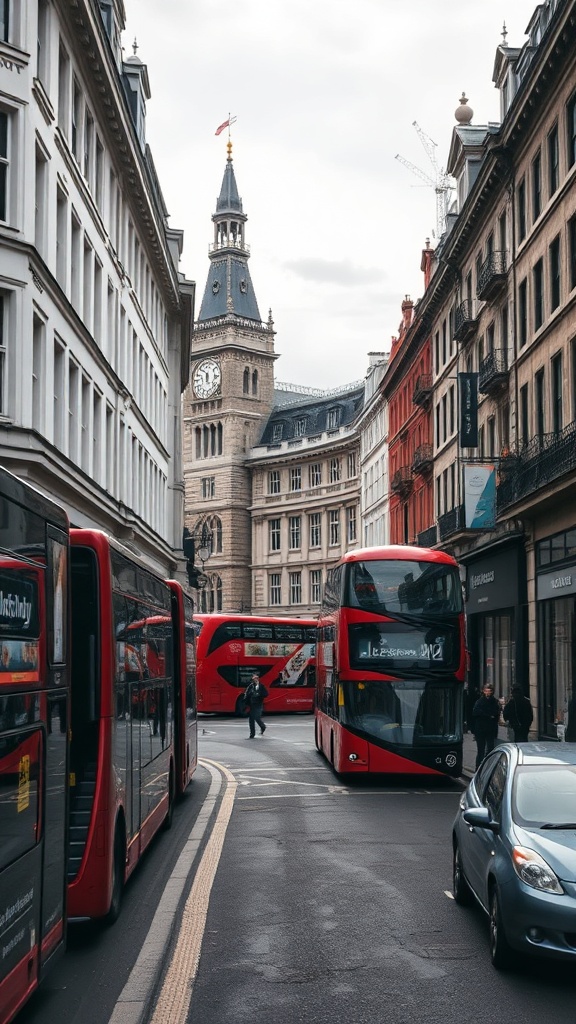
– Peckham: A creative hub with rooftop bars, contemporary galleries, and a lively street-food scene. Climb to an accessible rooftop for skyline views, then stroll through side streets to find ceramics studios, vintage shops, and unpretentious cafés.
– Walthamstow: Known for an outstanding street market and independent boutiques, this area mixes Victorian architecture with a thriving food scene. Look for community gardens and weekend markets where local producers sell artisanal goods.
– Deptford and Greenwich Peninsula: Deptford offers riverside pubs, antique shops, and a strong maritime history.
Nearby riverside paths lead to modern developments and green spaces, ideal for a long walk without the crowds.
– Brixton: A multicultural melting pot famous for its market, live music, and Afro-Caribbean cuisine. Explore food stalls, vinyl shops, and pop-up events that showcase a dynamic local culture.
– Hackney Wick and the Lea Valley: Industrial warehouses have become studios, street-art canvases, and craft breweries. Cycle along the canal towpaths to discover artists’ markets and weekend events.
Top tips for getting around
– Use contactless payment or a travel card for seamless access to the Tube, buses, and trains. Check service updates before travelling to avoid unexpected closures or delays.
– Walking and cycling reveal hidden corners. Many neighborhoods are compact and pedestrian-friendly; bike hire schemes and protected cycle lanes make short hops easy.
– River services are a pleasant alternative to trains for certain routes, offering scenic ways to move between neighborhoods while avoiding crowded platforms.
Where to eat and drink
Independent cafés and small restaurants often serve creative plates that reflect the diversity of London’s communities. Seek out market stalls for quick bites — from hearty regional comfort food to innovative plant-based options. Evening options span from intimate wine bars to energetic live-music venues, where local musicians and DJs offer an authentic soundtrack to the city.
Safety and etiquette
London is generally safe, but standard city awareness is wise: keep valuables secure, plan routes in advance for late-night travel, and respect residential areas by keeping noise levels down. When visiting markets and small shops, cashless payment is common though carrying a small amount of cash can be handy for certain stalls.
Make it personal
Part of the joy of exploring London is discovering places that resonate personally. Allow time for aimless wandering, ask baristas or shopkeepers for recommendations, and be open to swapping planned routes for intriguing side streets. The neighborhoods that feel most welcoming are often those with an active local community and a strong sense of place.
Whether seeking food, culture, or quieter green spaces, London’s neighborhoods offer endless possibilities for discovery. Each walk, market visit, or pop-up event reveals another facet of a city that rewards curiosity and a slow pace.
