 admin
adminParis has been steadily reshaping itself around people rather than cars, and that shift makes exploring the city on foot or by bike more rewarding than ever.
From reclaimed riverbanks to widened sidewalks and a growing network of protected bike lanes, the capital’s streets invite a slower, more intimate experience—perfect for savouring architecture, cafés, and unexpected urban green spaces.
Where to start: the Seine and its banks
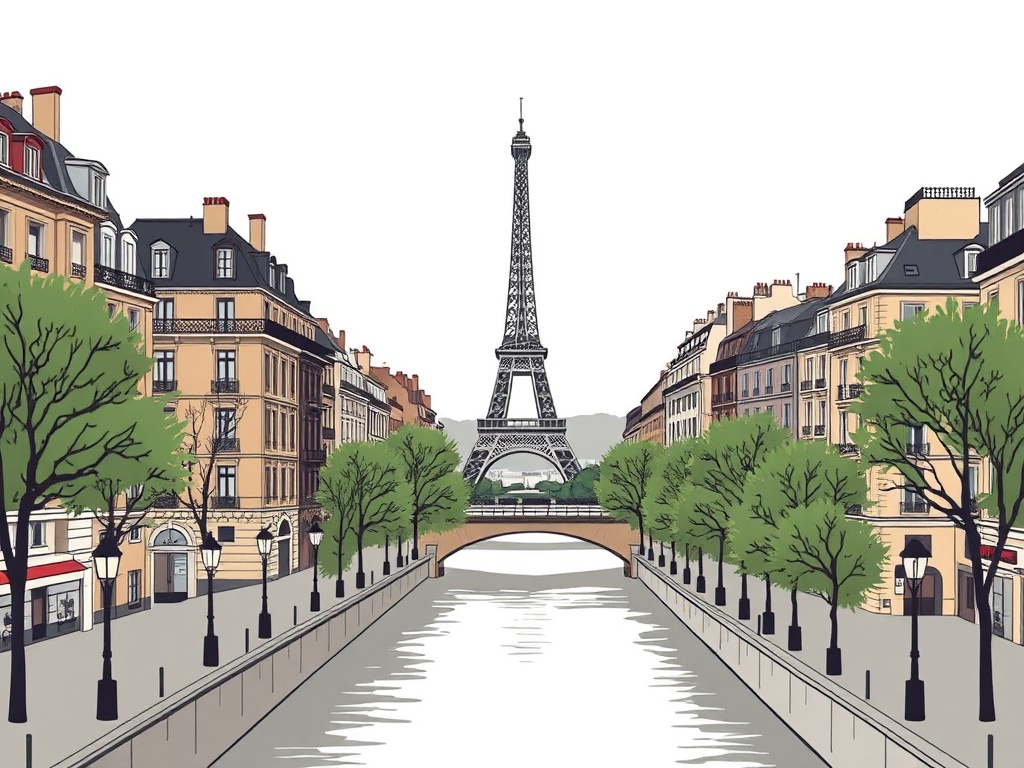
The Seine is the natural spine for any walk. Long stretches of the riverbank have been transformed into traffic-free promenades where pedestrians, cyclists, and picnickers mingle beneath the bridges. Stroll from the islands—Île de la Cité and Île Saint-Louis—toward the eastern or western banks to pass iconic sights while enjoying cafés and pop-up bookstalls. Evening light on historic façades and the gentle hum of river life make these routes especially atmospheric.
Neighborhood walks that reveal character
– Le Marais: Narrow medieval streets, boutique shops, and historic mansions create an intimate walking route. Pause for falafel on Rue des Rosiers or explore quiet courtyards off the main drags.
– Canal Saint-Martin: A looser, bohemian vibe with waterside bars and iron footbridges. It’s a great place to relax and watch the locks in action.
– Latin Quarter and Saint-Germain: Classic literary haunts, independent bookstores, and leafy squares are ideal for slow wandering and café culture.
Green arteries and elevated gardens
Paris’s green projects connect neighborhoods in surprising ways. One can walk along converted quays, elevated promenades, and linear parks that thread through formerly industrial zones.
The Promenade Plantée (an elevated park built on an old rail viaduct) and riverside greenways show how urban infrastructure can be reimagined as public space. These greener routes are shaded, low-traffic, and full of microclimates—perfect for a morning run or an afternoon picnic.
Getting around by bike and scooter
A robust bike-share system and expanding network of segregated lanes make cycling a convenient choice. Look for protected lanes on major boulevards and lighter traffic on smaller cross streets. E-scooters and shared bikes complement traditional cycling, but be mindful of local rules: use designated lanes where possible, yield to pedestrians, and park shared devices responsibly to keep walkways clear.
Practical tips for a memorable walk
– Timing: Early morning offers quieter streets and fresh pastries; late afternoon delivers golden light and livelier cafés.
– Footwear: Cobbled stones and narrow pavements reward comfortable shoes and steady pace.
– Map wisely: Use a navigation app that highlights pedestrian and bike routes; local signs often point to major promenades and parks.
– Local stops: Pop into a boulangerie for a sandwich, seek out small galleries, and take regular pauses to watch daily life—markets and neighborhood parks are where Paris reveals itself.
Why this matters
Reclaiming streets for people creates safer, cleaner, and more sociable urban life. For visitors and locals alike, exploring Paris on foot or by bike uncovers layers of history, community, and design that rush past in a car. Whether you’re after quiet gardens, riverside views, or vibrant district energy, the city’s pedestrian-friendly transformation makes every stroll an invitation to discover something new.
