 admin
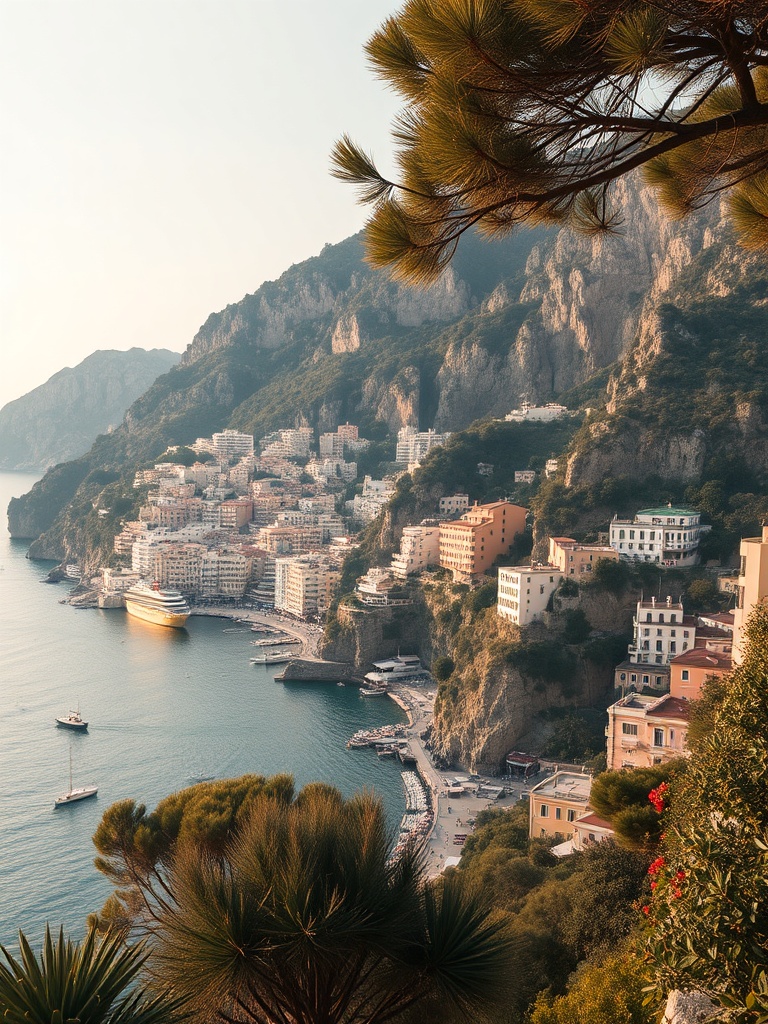
adminThe Amalfi Coast remains one of the most magnetic coastal regions in Europe, drawing travelers with its dramatic cliffs, pastel villages, and sparkling Mediterranean waters. Whether you’re planning a relaxed seaside escape or an active adventure, this coastline delivers stunning scenery, unforgettable food, and timeless culture.
Highlights and towns to explore
– Positano: Famous for steep, colorful houses stacked above the sea, Positano is perfect for boutique shopping, cliffside cafés, and beach time at Spiaggia Grande or the quieter Fornillo.
– Amalfi: Anchored by its historic cathedral, Amalfi serves as a transport hub with ferries to surrounding towns. Explore the Paper Museum to learn about the town’s artisanal heritage.
– Ravello: Set high above the coast, Ravello is renowned for panoramic gardens at Villa Rufolo and Villa Cimbrone, plus intimate classical music concerts that make the most of the views.
– Vietri sul Mare: Known for vibrant ceramics, this town is ideal for picking up handcrafted plates, tiles, and decorative pieces.
– Smaller gems: Praiano, Atrani, Maiori, and Minori each offer quieter alternatives with authentic eateries and local beaches.
Must-do experiences
– Hike the Sentiero degli Dei (Path of the Gods) for breathtaking coastal panoramas — wear sturdy shoes and carry water.
– Take a boat trip along the coast to see grottos, cliffs, and hidden coves; many operators offer half-day or full-day excursions, plus private charters for a more intimate experience.
– Savor the cuisine: fresh seafood, pasta al limone, sfogliatella pastries, and handcrafted limoncello define the regional palate. Look for family-run trattorie for the most authentic flavors.
– Visit local artisanal workshops for ceramics, hand-made paper, and limoncello producers to learn about traditional methods.
Transportation and practical tips
– Ferries connect most coastal towns and are a scenic, stress-free way to travel; reserve seats during peak demand.
– Roads are narrow and winding; driving can be challenging, parking is limited, and traffic can be heavy during peak periods. Consider leaving the car in a larger town and using ferries or buses for coast-hopping.
– Local buses are convenient but can be crowded; plan extra time for connections.
– Book popular hotels and boat trips in advance if traveling during high season. Opting for early mornings or later evenings helps avoid the biggest crowds.
Safety and accessibility
– Many towns have steep stairways and uneven pathways; those with limited mobility should look for sea-level accommodations or hotels with elevators.
– Cliff edges and narrow walkways require cautious footing — supervise children and avoid risky photo poses near drop-offs.
– Be mindful of sea conditions when swimming; some areas have strong currents or rocky access.
Sustainable travel tips
– Support small local businesses, dine at family-run restaurants, and buy locally made products.
– Minimize plastic use, respect designated trails while hiking, and follow local guidelines for anchoring boats to protect marine habitats.
Photography and best moments
– Sunrise and sunset offer soft, golden light that flatters the coast’s colors.
Capture terraces, narrow alleys, and sea vistas for classic Amalfi imagery.
– Early mornings are ideal for exploring popular spots without crowds, while evenings come alive with local dining and music.
With its combination of dramatic scenery, culinary delights, and cultural depth, the Amalfi Coast rewards both leisurely travelers and active explorers.
Pack comfortable shoes, an appetite for seafood and lemon-forward desserts, and a flexible itinerary to make the most of every cliffside view.
