 admin
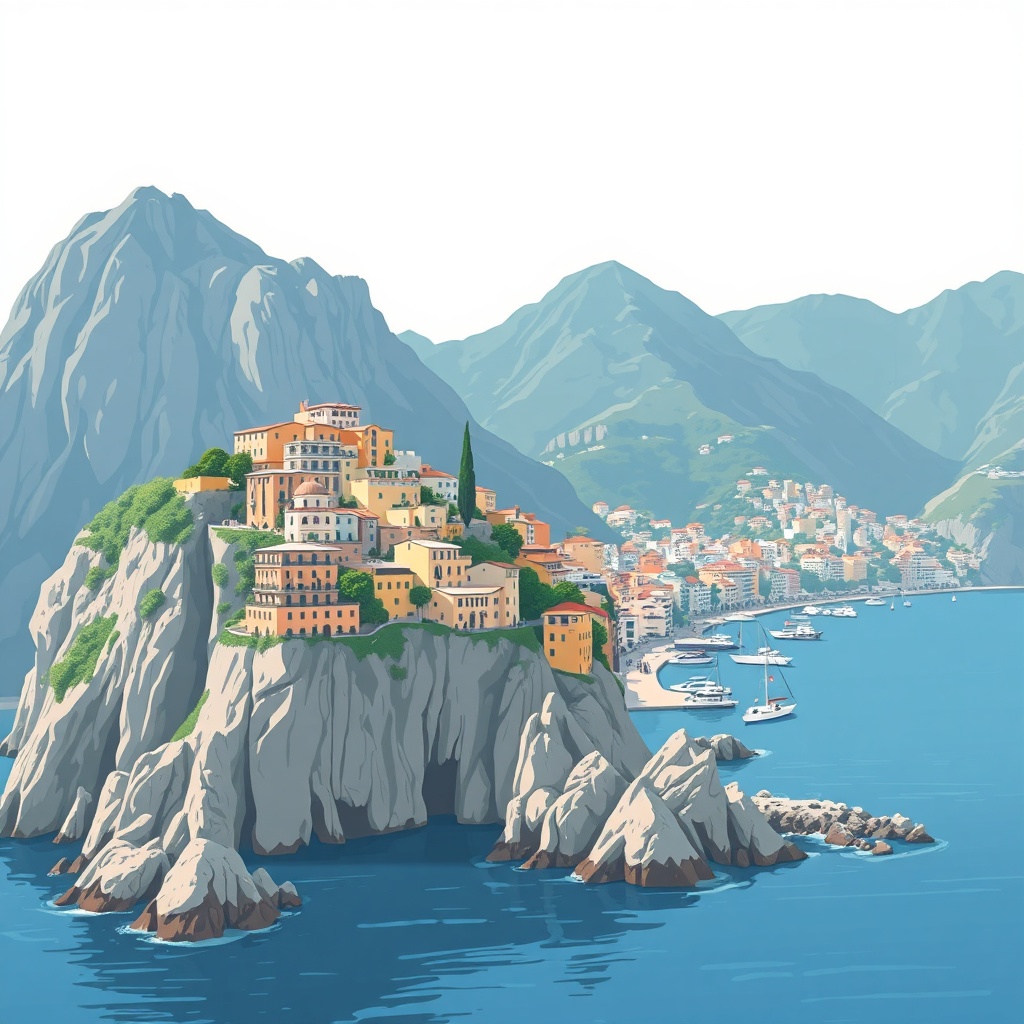
adminThe Amalfi Coast blends dramatic cliffs, lemon-scented air, and pastel villages clinging to sheer rock faces—making it one of the most evocative coastal drives in the world. Whether you’re drawn by cliffside walks, boat excursions, or the slow pleasure of a seaside meal, a smart plan helps you soak up the region without getting overwhelmed by crowds or logistics.
Must-see towns and experiences
– Positano: The iconic picture-postcard village with steep stairways, boutique shops, and pebble beaches. Morning light and late-afternoon strolls down to Fornillo Beach offer the best photography conditions and quieter lanes.
– Amalfi: Historic center with a striking cathedral and easy access to ferry routes. Sample local specialties at family-run trattorie and wander the backstreets away from the main piazza.
– Ravello: Perched above the coastline, its terraced gardens—Villa Rufolo and Villa Cimbrone—offer some of the most memorable panoramic views. Concerts and intimate cultural events often animate the town after sundown.
– Lesser-known gems: Atrani’s tiny piazza, the dramatic Fiordo di Furore, Cetara’s tuna-and-anchovy traditions, and the Emerald Grotto in Conca dei Marini reward those who stray from the main tourist trail.
How to get around
Ferries link many coastal towns and are the most scenic way to travel between Positano, Amalfi, and Salerno. Bus routes along the SS163 Amalfitana are convenient and inexpensive, but buses can be crowded and navigate narrow, winding roads. Driving delivers unmatched flexibility—yet parking is limited and steep hairpin turns demand attention.
Consider combining public transport and occasional taxi or private boat hire for the smoothest experience.
Outdoor activities and hikes
The Path of the Gods offers an accessible, panoramic hike with dramatic sea views. Start early to avoid midday heat and crowds, and wear sturdy shoes—the trail can be rocky.
Kayaking, private boat charters, and coastal snorkeling open up hidden coves and sea caves that buses and cars can’t reach. For a gentler outing, stroll the lemon-scented backstreets of local villages and visit a family-operated lemon grove.
Local cuisine and what to try
Seafood dominates menus: fresh catch, anchovies from Cetara, and simple grilled fish seasoned with local olive oil.
Pasta specialties like scialatielli pair perfectly with shellfish. Finish with citrus-forward desserts—delicate lemon pastries or a chilled limoncello after dinner. Pair meals with regional wines, and seek out small producers when shopping for olive oil or preserves.
Practical tips for a better visit
– Book ferries and popular restaurants in advance during busier times to secure preferred times.
– Pack layers: coastal evenings can cool quickly after a sunny day.
– Travel light; many towns require walking up steep steps from piers and parking areas.
– Respect local rhythms: shops and family restaurants may close for a midday break.
– Support sustainability by choosing local guides, using refillable water bottles, and avoiding single-use plastics.
Sustainable travel and cultural awareness
The Amalfi Coast’s fragile landscape and small communities benefit from mindful tourism.
Choose accommodations that prioritize eco-friendly practices, follow marked trails to avoid erosion, and buy from local artisans and markets to ensure your spending supports the community.
Whether you glide along the shoreline by boat, hike a sun-drenched trail, or linger over seafood in a cliffside trattoria, the Amalfi Coast rewards slow, attentive travel.
Plan thoughtfully, go off the main path at least once, and let the coast’s slow pace shape your itinerary.
