 admin
adminMicrocations: How to Plan a Short, Restorative Getaway
Busy schedules and tight budgets don’t have to mean sacrificing the restorative power of travel. Microcations—short, focused getaways that last a long weekend or even a single long day—offer a practical way to recharge without the time or expense of an extended trip. With intentional planning, you can craft a mini-escape that feels indulgent and purposeful.
Choose a crisp objective
Start by deciding what you want from the break: relaxation, adventure, cultural immersion, or reconnecting with someone. A clear objective narrows your choices and raises the odds the trip will feel meaningful. For example, if relaxation is the goal, pick a low-key destination within a two- to four-hour travel window with access to a spa, nature walks, or a quiet beach.
If the aim is adventure, seek a destination known for hiking, water sports, or biking.
Pick a nearby winner
Distance matters. Microcations shine when travel time is short relative to the break itself. Focus on destinations reachable by car, a short flight, or a direct train, so you maximize time on the ground. Regional cities, national parks, coastal towns, and lesser-known historic districts are ideal.
Avoid places that require complicated transfers or long check-ins.
Book smart, stay comfortable
Choose accommodation that supports your objective. A boutique inn or a local bed-and-breakfast often provides more personality and relaxation than a chain hotel.
For practicality, prioritize properties with flexible cancellation, contactless check-in, and amenities you’ll actually use—parking, breakfast, or an in-room workspace if needed.
If cost is a concern, search for weekday deals or midweek stays when rates tend to be lower.
Pack light, pack right
Because travel is short, limit luggage to a carry-on or a weekend bag. Bring versatile clothing pieces that mix and match, a compact toiletry kit, comfortable shoes for planned activities, and a lightweight layer for changing weather. A portable charger, earbuds, and a reusable water bottle improve comfort without bulk. If you’re trying a digital detox, consider leaving one device at home or setting strict usage windows.
Plan a loose itinerary
Map the day’s highlights rather than scheduling every hour. Build in one or two “must-do” activities—such as a scenic hike, a museum visit, or a dinner at a recommended restaurant—and allow ample time for wandering and unexpected discoveries. Flexibility often makes short trips feel more relaxed and memorable.
Prioritize food and local experiences
Food can define a microcation. Seek out farmer’s markets, neighborhood cafés, and places frequented by locals rather than tourist traps. Look for cooking classes, local tours, or artisanal shops that offer a deeper connection to place in a short timeframe.
Maintain wellness and safety
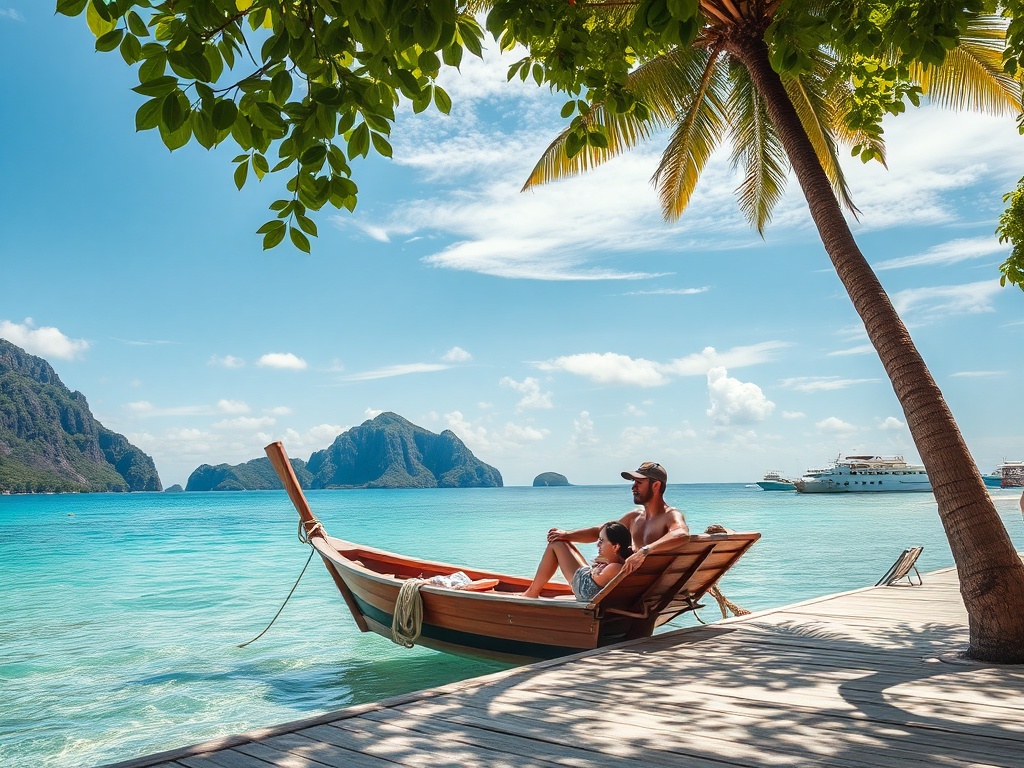
Short trips shouldn’t mean overcommitting. Stay hydrated, get enough sleep, and avoid overscheduling. Keep basic first-aid items on hand and review any local advisories before you leave. If traveling with others, align expectations beforehand to prevent tension during limited time together.
Be mindful and sustainable
Small trips can still have a big environmental footprint.
Choose public transit, walk or bike when possible, and support local businesses. Pack reusable items to limit single-use plastics.
These small choices help preserve the places you visit and enhance the local economy.
After the microcation
Capture a few photos and jot down quick notes about favorite moments so the memories last far beyond the brief escape. Often, the value of a microcation isn’t just the destination but the intentional break from routine—a short reset that boosts mood, productivity, and creativity long after you return.
