 admin
adminDramatic cliffs, lemon-scented air, and pastel villages clinging to the sea make the Amalfi Coast one of the most compelling coastal destinations. Whether you’re chasing postcard views, winding hikes, or culinary discoveries, this coastline balances immersive cultural experiences with slow Mediterranean living.
Getting there and getting around
The coastal road that threads the towns is iconic but narrow and often congested. Many visitors combine public transport and boats to move between villages — ferries connect major ports, offering scenic, traffic-free transfers.
Buses run frequently along the coastal route, though they can be crowded in peak periods.
Driving gives freedom but requires confidence on hairpin turns and patience for limited parking.
Trains arrive at nearby hubs, and a short onward transfer by bus or ferry completes the journey.
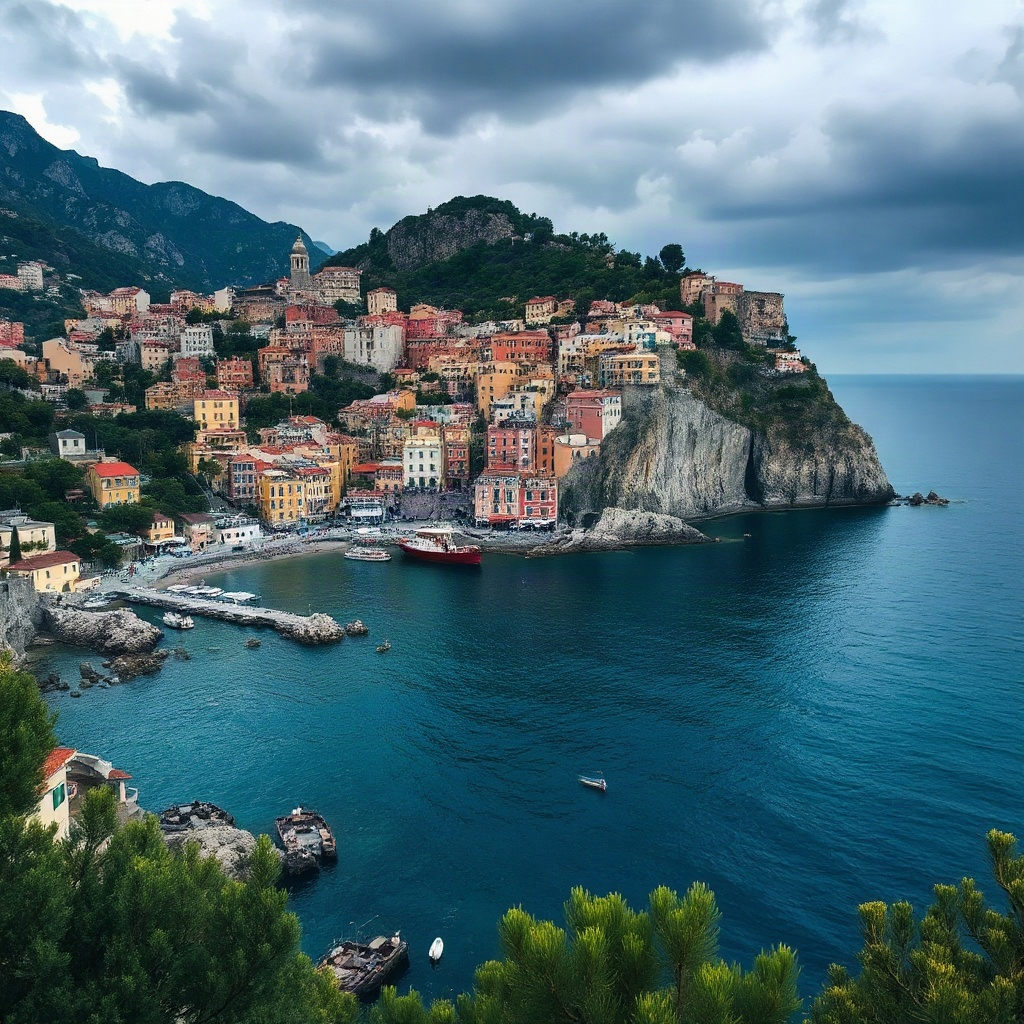
Must-see towns and lesser-known gems
– Positano: The most photographed village, famous for steep lanes, boutiques, and Spiaggia Grande.
Early morning is the best time for photos before crowds arrive.
– Amalfi: The historic town with a striking cathedral, lively piazzas, and a central harbor that makes a good base for exploring.
– Ravello: Perched above the coast, Ravello offers some of the finest panoramic viewpoints, serene gardens, and classical music concerts during the season.
– Praiano and Atrani: Quieter alternatives with authentic atmosphere, small beaches, and excellent local restaurants.
– Vietri sul Mare: Renowned for colorful ceramics — a great spot to shop for handcrafted souvenirs.
– Furore and hidden coves: For dramatic fjord-like scenery and less-touristed swim spots, seek out these tucked-away stretches.
Best active experiences
Hiking the Sentiero degli Dei (Path of the Gods) rewards walkers with sweeping vistas of the coastline and terraced hillsides. Trails vary in difficulty; good footwear, water, and sun protection are essential.
Boat tours — from half-day excursions to private charters — reveal grottoes, sea caves, and secluded beaches reachable only by water.
Food and local specialties
Cuisine centers on fresh seafood, locally grown lemons, and handmade pasta. Try scialatielli with clams, fresh mozzarella, and lemon-forward desserts. Limoncello and artisanal lemon products are region staples; ceramics and olive oil also make meaningful gifts. Reserve popular restaurants in advance when possible to secure waterfront tables.
Practical tips and mindful travel
– Timing: Late spring and early autumn offer warm weather and thinner crowds, while summer brings lively festivals and beach activity.
– Packing: Comfortable walking shoes, layered clothing for coastal breezes, sun protection, and a reusable water bottle.
– Book ahead: Ferries, hotels, and boat tours fill quickly during busy periods — book trusted providers and read recent reviews.
– Respect the environment: Stick to marked trails, avoid single-use plastics, and support small family businesses and local artisans.
Safety and accessibility
The Amalfi Coast’s charm comes with steep paths and many steps; those with limited mobility should plan carefully and choose accommodations with easy access. Watch for uneven surfaces and strong sun exposure while hiking or walking between towns.
Why visit
The Amalfi Coast blends spectacular scenery, rich culinary traditions, and a relaxed pace that encourages lingering.
Whether you’re seeking panoramic outlooks from cliff-top gardens, a slow day on a pebbled beach, or a sunset from a small harbor café, the coastline delivers experiences that linger long after you leave the shore.
