 admin
Amalfi Coast travel guide: how to experience the coastline like a local
The Amalfi Coast remains one of the world’s most captivating coastal drives—steep cliffs, pastel villages clinging to rock, lemon groves perfuming the air and crystalline sea. Whether you want photogenic towns, dramatic hikes or slow-food dining, this coastline delivers a blend of romance and authenticity that rewards careful planning.
Where to go
– Positano: Iconic for its cascading houses and pebble beach, Positano is perfect for wandering narrow lanes, shopping for local linen and enjoying seaside dining. Expect steep stairways and lots of photo opportunities.
– Amalfi town: Once a maritime republic, Amalfi offers historic architecture, a striking cathedral and a lively waterfront with ferries to neighboring ports.
– Ravello: Perched above the sea with serene villas and gardens, Ravello is quieter and ideal for music, gardens and panoramic views.
– Nearby islands: Ferries link the coast with nearby islands that make easy day trips for swimming, cave exploration and fine dining on the water.
Top experiences
– Walk the Path of the Gods for awe-inspiring cliffside views and a chance to see the coastline from above. Wear sturdy shoes and bring water—some sections are exposed to sun and wind.
– Take a boat tour or use regular ferries to hop between towns.
From the water you’ll appreciate the cliffs and hidden coves that are impossible to see from the road.
– Taste local specialties: fresh seafood, scialatielli pasta, delizia al limone and homemade limoncello made from locally grown lemons. Look for family-run trattorias and beachside osterias for authentic flavors.
Practical tips
– Getting there: The coastal state road is narrow and scenic, but traffic can be slow and parking limited. Consider arriving by ferry or combining public buses with occasional taxis to avoid parking stress.
– Accommodation: Town centers are compact and often built vertically. If mobility is a concern, check whether your hotel is accessible by car and ask about stairs before booking.
– Reserve ahead for ferries and popular restaurants during peak travel times. If you prefer a quieter visit, aim for shoulder-season travel when weather is pleasant but crowds are thinner.
– Carry a mix of payment methods—though many places accept cards, small vendors and markets may prefer cash. Bring sun protection and a reusable water bottle.
Sustainable travel pointers
– Use ferries and public buses when possible to reduce road congestion. Walk local trails and support small businesses—buying from family artisans keeps tourism benefits local.
– Avoid single-use plastics and leave beaches and trails cleaner than you found them. Respect restricted areas to protect cliffside vegetation and marine life.
Safety and etiquette
– Respect local rhythms: shops may close during midday pauses, and meals are meant to be savored rather than rushed. Dress modestly when visiting churches.
– Pay attention to posted signs on beaches and boat moorings—sea conditions can change quickly in coves and open water.
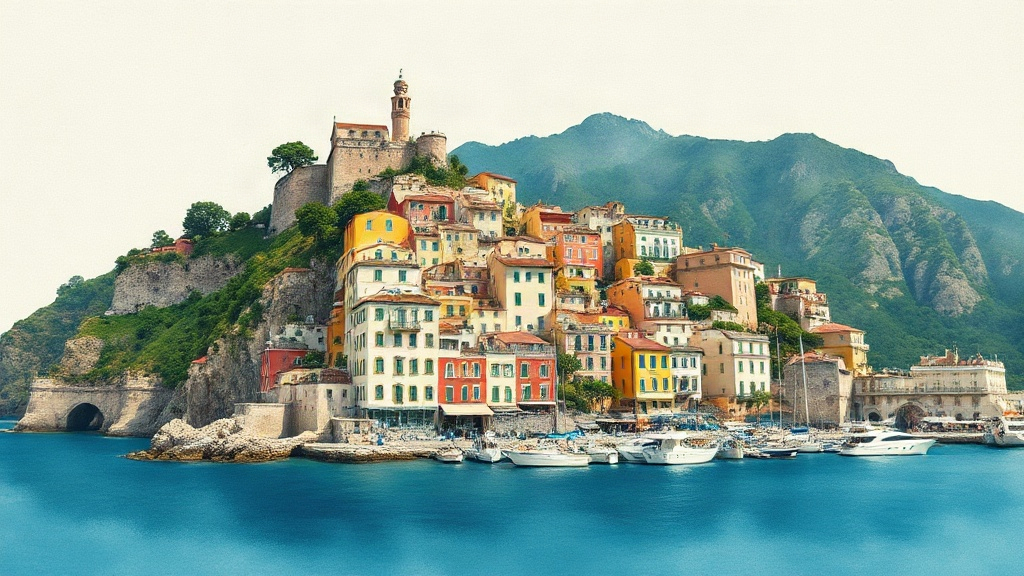
The Amalfi Coast is best explored slowly: linger over late lunches, take dawn or dusk walks when light softens the cliffs and let the rhythms of seaside living set the pace. With careful planning and a respectful approach to local life and landscape, this coastline rewards visitors with extraordinary scenery, memorable food and a timeless sense of place.
