 admin
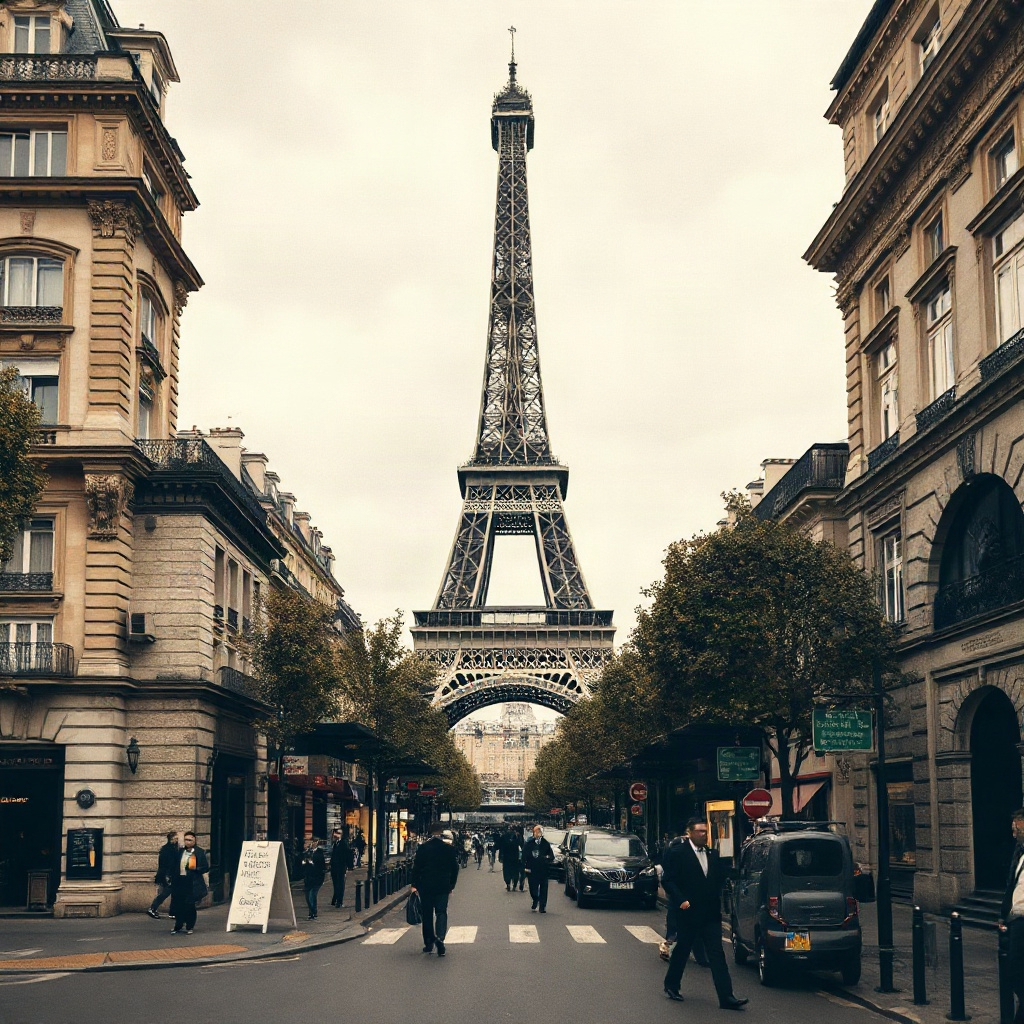
Paris is changing in ways both visible and subtle — from its streets and transport networks to public spaces and cultural life. For visitors and residents alike, the city offers a mix of classic charm and forward-looking urban design that makes exploring rewarding and practical.
Mobility and connectivity
A major focus across the city is mobility. The expansion of suburban metro lines and upgrades to the existing network are transforming commutes, making previously distant neighborhoods easier to reach. Bike-share systems and protected cycle lanes have multiplied, encouraging short trips by bicycle. If you plan to get around like a local, combine public transit with short bike rides or walking: many neighborhoods are now easier to navigate without a car.
Low-emission zones, congestion-reduction measures, and initiatives that prioritize pedestrians and cyclists reflect a broader aim to reduce traffic and improve air quality. Expect more car-free streets, calmer residential areas, and safer crossings that invite strolling and window-shopping.
Green space and the “15-minute” urban idea
Paris is embracing the “15-minute city” idea by bringing everyday services — groceries, schools, parks, cafés, healthcare — closer to where people live. Pocket parks and revamped sidewalks have made outdoor life more pleasant, while larger projects along the riverbanks and railway edges create new continuous green corridors. Community gardens and rooftop green spaces are appearing across rooftops and courtyards, offering quiet retreats within dense urban blocks.
Cultural life and local scenes
The cultural calendar remains rich.
Museums and galleries continue to refresh their collections with ambitious shows and cross-disciplinary programs. Neighborhood cultural centers and independent galleries offer an accessible counterpoint to major institutions, and evening life has diversified with more late-night food markets, small venues, and intimate music spaces.
Café culture persists, but with changes: more establishments are focusing on seasonality, local sourcing, and plant-forward menus.
Markets are lively again, and specialty shops — from artisanal bakeries to independent bookshops — remain essential stops for experiencing Parisian everyday culture.
Tourism and local balance
As tourism evolves, the city is balancing visitor attractions with resident needs.
Popular routes around key monuments can still be busy, but exploring lesser-known arrondissements, canal-side neighborhoods, and small squares reveals calmer, more authentic experiences. Guided walks that focus on food, architecture, or local crafts provide deeper, slower encounters than a checklist approach.
Practical tips
– Use a contactless transit card or passes that cover multiple modes to simplify travel across metro, bus, and suburban lines.
– Rent a bike for short hops and look for protected lanes; helmets and reflective gear are good for early-evening rides.
– Check local markets for seasonal produce and small food stands for quick, high-quality bites.
– Book tickets for major museums in advance and consider visiting smaller venues for shorter lines and unique shows.
– Explore on foot: many discoveries — tucked cafes, street art, hidden courtyards — happen when you slow down.
Challenges and opportunities
The city still faces housing pressures, traffic management issues, and the need to make tourism sustainable and inclusive. Yet recent planning priorities emphasize quality of life, greener streets, and cultural vitality, offering a model for thoughtful urban renewal that keeps Paris’s character while adapting to contemporary needs.
Whether you’re passing through or settling in, today’s Paris rewards curiosity, a willingness to walk, and an interest in the everyday innovations that shape how people live, work, and play in the city.
