 admin
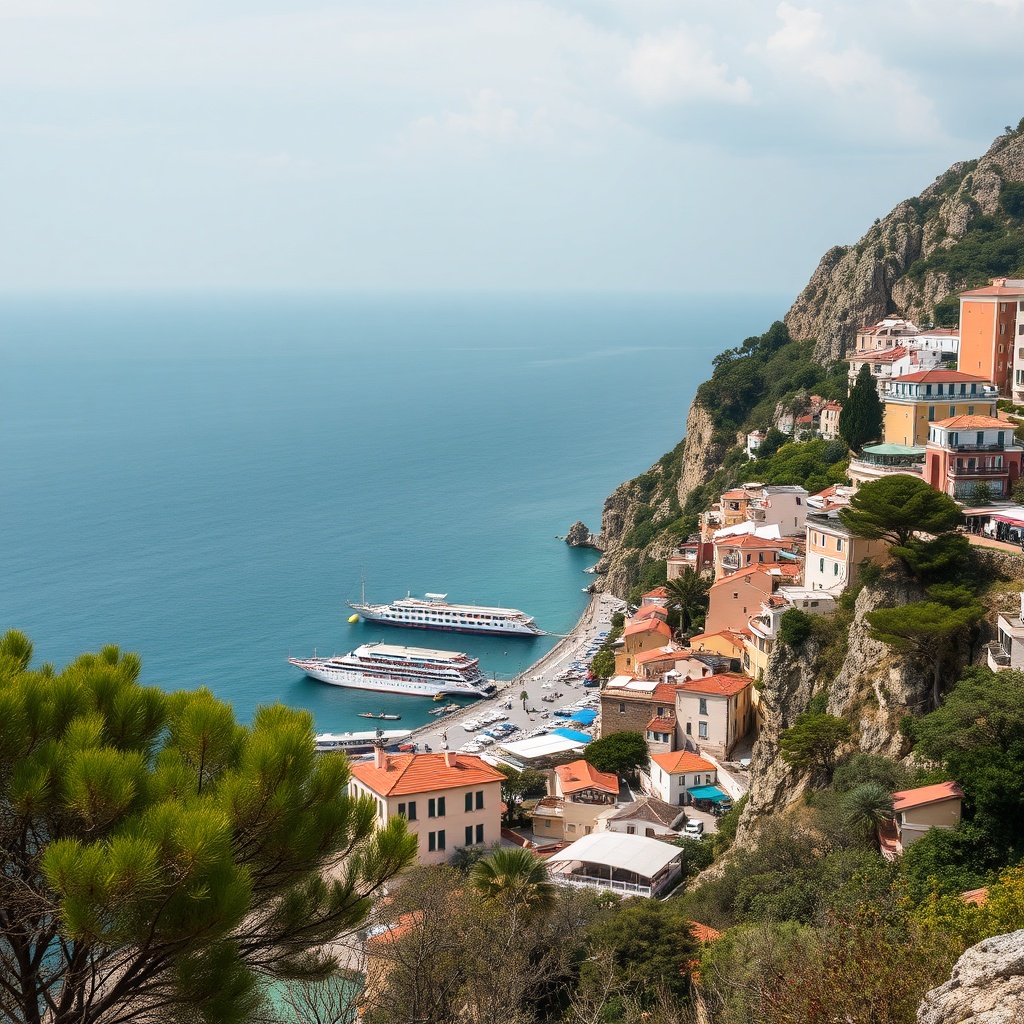
adminA stretch of jagged coastline dotted with pastel villages, lemon terraces and sapphire sea, the Amalfi Coast remains one of the most evocative travel destinations on the Mediterranean. Its dramatic cliffs, winding roads and intimate harbors create a timeless backdrop for leisurely exploration, gourmet discovery and outdoor adventure.
What to see and do
– Positano: The picture-postcard village where narrow stairways tumble toward the beach. Wander boutique shops, relax at a pebbled cove, and capture iconic views from high vantage points.
– Amalfi town: Historic center with a striking cathedral, lively piazza life and waterfront cafes. Explore artisan paper shops and taste seafood specialties at family-run trattorie.
– Ravello: Perched above the sea, Ravello is celebrated for its gardens and panoramic terraces.
Villa gardens here reward visitors with unforgettable vistas and cultural programming during the evenings.
– Hidden gems: Smaller villages like Praiano, Atrani and Furore offer quieter streets, dramatic fjord-like inlets and authentic local rhythms. Vietri sul Mare is a must for ceramics shopping.
Outdoor adventures
Hiking the Sentiero degli Dei (Path of the Gods) presents one of the best vantage experiences—walks across limestone ridges reveal sweeping views of sea and islands. Coastal boat tours unlock limestone grottos, secluded coves and swim stops in clear waters; private charters let you reach hidden beaches inaccessible by car.
For snorkeling and glassy-water swims, pick calm mornings when the sea is placid.
Food and wine
Citrus is the region’s flavor signature—expect limoncello, lemon creams, and desserts like delizia al limone. Fresh seafood, scialatielli pasta, and caprese variations are staples.
Pair meals with local white wines and regional olive oil. Seek out family-run eateries for the most authentic cooking; reservations are helpful during busy periods.
Practical tips
– Getting there: Major nearby airports and rail hubs connect to coastal towns by ferry, hydrofoil or regional bus. Ferries provide scenic, traffic-free transfers between ports; buses run along the coastal road but can be crowded and slow.
– Driving: The coastal road offers spectacular views but is narrow, winding and often congested. If driving, plan extra time for parking and tight passes; many visitors prefer to rely on ferries, buses and walking.
– Accommodation: Choose a cliffside hotel for iconic views, a guesthouse for local ease, or a villa rental for extended stays and privacy. Book ahead for peak travel seasons and consider smaller towns for better value and quieter nights.
– What to pack: Comfortable shoes for cobbled streets and staircases, lightweight clothing for warm days, a light layer for breezy evenings, and swimwear for spontaneous dips. A small daypack, reusable water bottle and sun protection will keep outings comfortable.
– Respectful travel: The coast balances tourism with local life—support small businesses, observe quiet hours in residential areas, and follow rules for protected coastal environments.
Best moments to enjoy
Sunrise light on the water, late-afternoon strolls through lemon groves, and sunset cruises that reveal the coastline’s changing colors make for memorable experiences. Whether sampling cuisine in a tucked-away trattoria, hiking a cliffside trail, or drifting beneath pastel houses at sea level, the Amalfi Coast invites slow travel and sensory discovery.
