 admin
adminChoosing the right cruise can turn a good vacation into an unforgettable adventure. With more ship types, onboard experiences, and itineraries than ever before, a little planning helps you match expectations to the right vessel and get better value from your trip. Here’s a practical guide to key factors to consider and tips that make cruising easier and more enjoyable.
Pick the ship type that fits your priorities
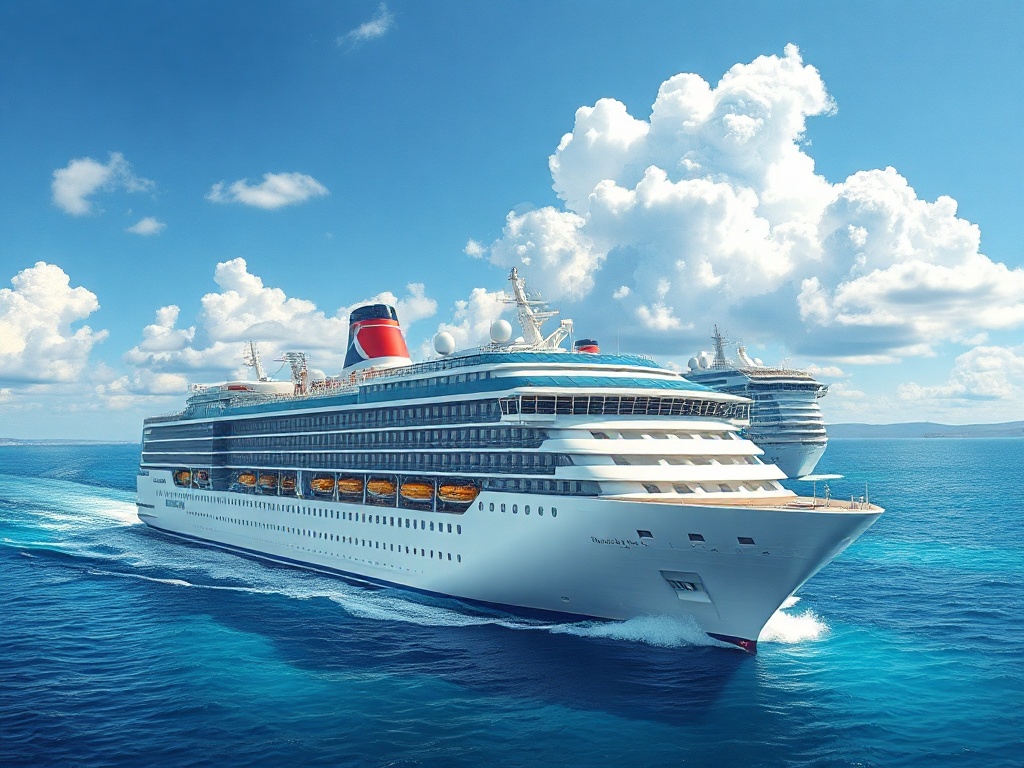
– Mega-ships: Feature-packed vessels offer Broadway-style shows, water parks, multiple dining venues, and activities for all ages. Ideal for families and passengers who want nonstop entertainment and variety.
– Mid-size ships: Balance amenities with a more intimate atmosphere. They often call at smaller ports and provide a comfortable mix of dining, enrichment, and evening options.
– Small-ship and expedition cruises: Best for immersive itineraries—remote coastlines, wildlife-focused excursions, and expert-led programs. Expect a higher level of access ashore and a more educational onboard vibe.
– River cruises: Offer a relaxed pace for exploring inland cities and cultural sites with frequent stops just steps from town centers.
Match itinerary to the experience you want
Think beyond destination popularity.
Longer sailings and repositioning cruises can deliver excellent value and unique coastal stops. For cultural immersion, choose itineraries with overnight stays or multiple-day port calls.
For wildlife or nature-focused trips, opt for expedition-style offerings with onboard naturalists and small-boat excursions.
Choose the right cabin
Location matters.
Mid-ship cabins minimize motion for passengers sensitive to seasickness.
Higher decks offer better views but more motion in rough seas. Balcony cabins add private outdoor space—useful for scenic sailing days. Consider cabin size and storage if you plan lengthy voyages or will pack gear for active excursions.
Budget smartly for true cost
Fare often excludes extras: specialty dining, shore excursions, Wi-Fi, gratuities, alcoholic drinks, and some activities. Build these into your budget or look for packages that bundle preferred extras. Loyalty programs frequently yield onboard credits or cabin upgrades, so factor past cruise history into booking choices.
Book shore excursions strategically
Pre-booked ship excursions guarantee transport and timing, which is helpful for tight port days. Independent options can be cheaper and more flexible—just allow ample time to return to the ship. For active or remote excursions, choose providers with solid reviews and clear safety protocols.
Health, safety, and comfort
Pack motion-sickness remedies and reusable water bottles. Follow vaccination and health guidance that may be in place at the time of travel.
Travel insurance that covers medical evacuation and trip interruption is especially valuable for expedition or remote-destination cruises.
Maximize dining and entertainment
Try a mix of included and specialty restaurants to experience the ship’s culinary range. Use dining times strategically—early or late seatings can be less crowded. Attend enrichment talks, deck activities, and live performances; these offer excellent value and unique memories.
Timing and deals
Shoulder-season sailings often bring lower prices, fewer crowds, and pleasant weather.
Watch for flash sales, last-minute cabins, and loyalty discounts. For new cruisers, a shorter cruise is a low-risk way to test comfort with life at sea.
A well-chosen cruise aligns ship type, itinerary, and onboard priorities. With clarity on what matters—whether it’s relaxation, family fun, cultural immersion, or wildlife encounters—you’ll find options that deliver both value and the experience you want. Happy sailing.
