 admin
adminAmalfi Coast: a cliffside ribbon of pastel villages, lemon groves, and cobalt seas that keeps drawing travelers who crave dramatic scenery, slow coastal life, and exceptional food. Whether planning a first visit or returning for the views, understanding how to move, what to see, and how to travel responsibly makes the experience richer.
What to expect
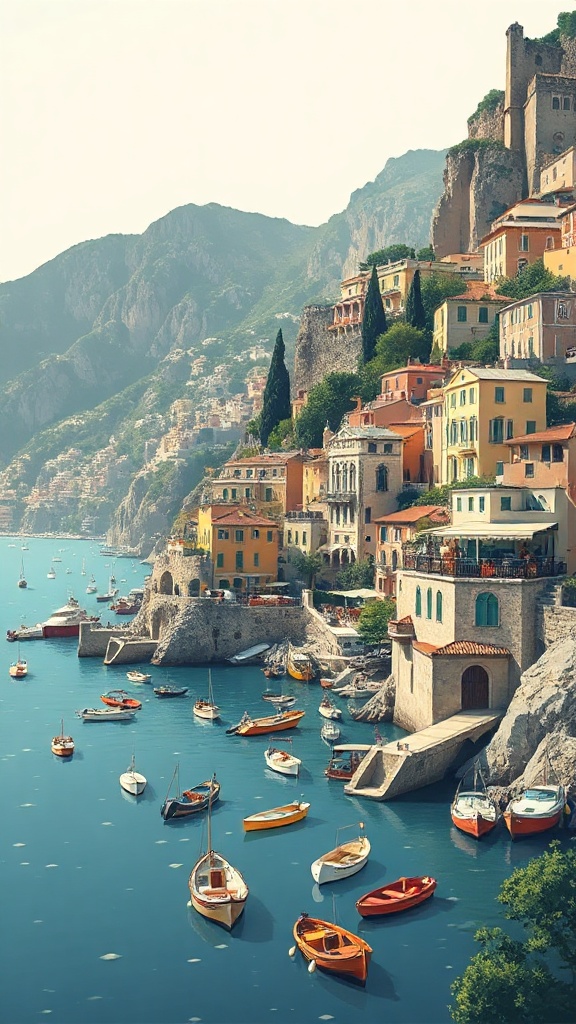
The coastline is a mosaic of steep terraces, terracotta roofs, and narrow winding streets. Villages range from the postcard-perfect verticality of Positano to the historic maritime hub of Amalfi and the tranquil gardens of Ravello perched above the sea.
Ferries and winding roads connect the towns, while footpaths reveal quieter, panoramic perspectives.
Must-see towns and experiences
– Positano: Iconic cliffside houses, boutique shops, and Spiaggia Grande.
Early morning or late afternoon visits reduce crowds and reveal softer light for photography.
– Amalfi: The cathedral square and paper-making museums reflect the town’s maritime and medieval past. Explore narrow alleys for local eateries.
– Ravello: World-class gardens—private and public—offer sweeping views and an artsy atmosphere. Concerts and cultural events often take place in open-air venues.
– Praiano and Atrani: Smaller, less crowded alternatives with charming beaches and authentic local life.
– Capri and islands: Short ferry hops make the island of Capri a popular day trip for grottos, gardens, and upscale shopping.
Paths and outdoor activities
The Path of the Gods (Sentiero degli Dei) is the headline hike, delivering dramatic panoramas with manageable effort on well-marked trails. Sea outings—private boats or ferries—reveal hidden coves and allow snorkeling in clearer waters than many busy beaches. For a gentler option, stroll lemon pathways and terraced vineyards that dot the slopes.
Getting around
Roads are scenic but narrow; driving is rewarding for experienced drivers but can be stressful during peak travel periods. Public transport includes SITA buses threading the coast and frequent ferries linking major ports—ferries are often the fastest, most relaxing option. Taxis and private transfers are available but can be costly; consider group shuttles or shared boats for balance between convenience and budget.
Food and drink
Seafood is central to the cuisine—fresh catch prepared simply—and local specialties include hand-rolled pasta, fried anchovies, and desserts like sfogliatella. Lemon products are a regional hallmark: limoncello, lemon granita, and dishes infused with citrus from the high-quality coastal lemons.
Practical tips
– Time visits for shoulder seasons such as spring and autumn to enjoy milder weather, fewer crowds, and better prices.
– Pack comfortable shoes for stairs and uneven streets.
Light layers are useful for coastal breezes.
– Book accommodations and ferries ahead when traveling during busy times.
– Embrace slower travel: linger at a cafe, take a boat at sunset, and reserve time for unplanned discoveries.
Sustainable travel
Support small businesses, choose reusable water bottles, and respect private terraces and agricultural land.
Many local operators are adopting eco-friendly practices—favor them when possible to help preserve the landscape and community.
Capture the experience
Photographers should aim for sunrise or golden hour for the most evocative shots. Look for viewpoints above towns, along coastal paths, and from the water for varied compositions.
The Amalfi Coast rewards patience and curiosity: leave room for simple pleasures—a seaside meal, a shaded lemon grove, a hidden beach—and the visit will feel both cinematic and genuinely local.
