 admin
adminParis is reinventing itself as a city built for people rather than cars. From widened sidewalks and protected bike lanes to car-free riverbanks and pop-up green spaces, the capital’s urban makeover is reshaping how visitors and locals experience streets, cafés, and public life. Here’s a practical guide to exploring Paris through its transformed public spaces.
Why the change matters
Efforts to reclaim streets for pedestrians are about comfort, safety, and atmosphere. Reduced traffic noise and cleaner air make strolling more enjoyable, while expanded cycling infrastructure opens up neighborhoods that once felt like thoroughfares. The result is a city that feels both timeless and freshly livable.
Where to walk and relax
– Seine riverbanks: Once dominated by cars, large stretches of the riverfront are now pedestrianized or shared spaces. Walk along the quays for scenic views of landmarks, frequent cultural programming, and pop-up bookstalls.
Evenings are especially atmospheric as the light softens over bridges and historic facades.
– Canal Saint-Martin: A local favorite for relaxed strolls, waterside cafés, and weekend picnics. The canal’s locks and iron footbridges create intimate urban scenery — ideal for people-watching and soaking up neighborhood life.
– Promenade plantée and urban gardens: Elevated promenades and pocket parks provide leafy respite amid dense city blocks.
Look for community gardens and small green oases tucked behind apartment facades.
Cycling and micromobility
Paris has significantly expanded its network of protected bike lanes, making cycling a practical way to connect neighborhoods quickly and safely. Bike-sharing systems and a broad array of electric bikes and scooters provide flexible options for short hops. When planning a ride:
– Choose protected lanes where possible and avoid busy boulevards during peak hours.
– Respect local bike etiquette—signal turns, yield to pedestrians on shared paths, and secure rental bikes properly.
– Combine cycling with public transit: most metro stations allow folded bikes, and regional trains often accept bikes outside peak times.
Neighborhoods to explore on foot
– Le Marais: A compact, historic quarter filled with boutique shops, galleries, and vibrant cafés. Narrow streets and pedestrian-friendly squares make it ideal for wandering.
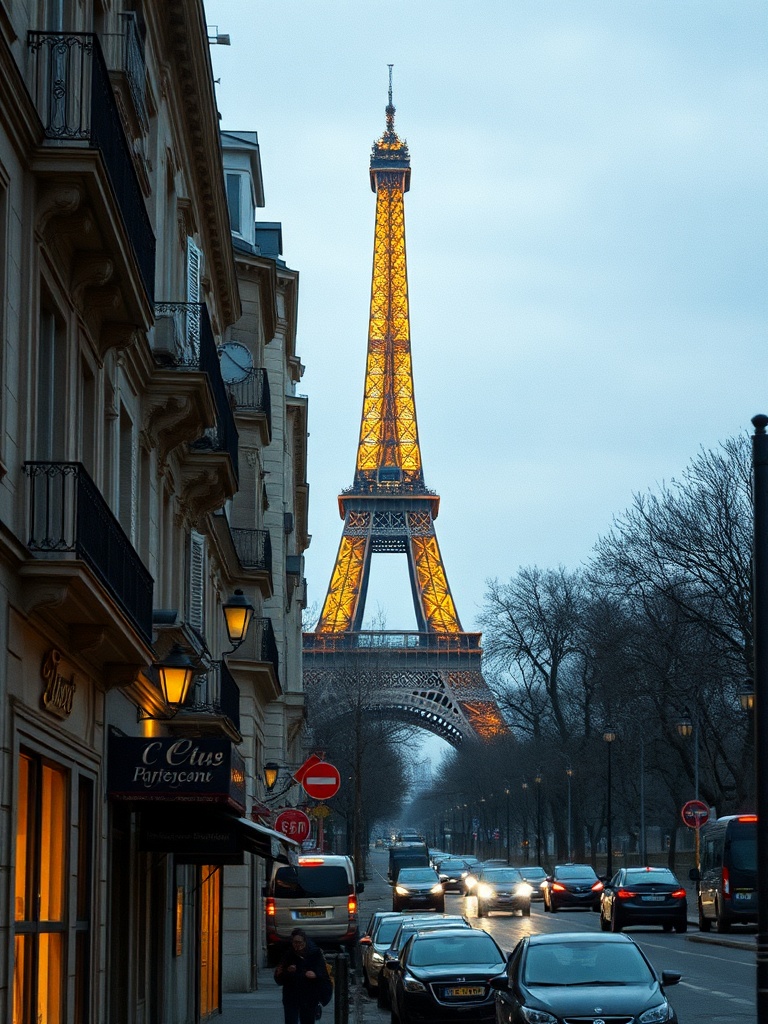
– Saint-Germain-des-Prés: Classic Parisian ambiance with literary cafés, galleries, and serene courtyards.
Side streets reveal artisanal shops and small parks.
– Belleville and Ménilmontant: Off-the-beaten-path neighborhoods with dynamic street art, local markets, and panoramic viewpoints. These areas reward curious walkers.
Markets, cafés, and local life
Open-air markets remain one of the best ways to tap into Parisian daily life. Weekly markets offer fresh produce, cheeses, and baked goods, while smaller food stalls and neighborhood cafés provide opportunities to linger.
For a true local experience:
– Grab a croissant or a sandwich to go and eat on a bench in a nearby park.
– Visit a market early to see traders setting up and to avoid the crowds.
– Try neighborhood cafés rather than high-traffic tourist spots for authentic service and atmosphere.
Practical tips
– Comfortable shoes are essential—Paris is best discovered on foot.
– Carry a small reusable bag for market purchases; many vendors still prefer cash or contactless payments.
– Check local event listings for temporary street festivals, open-air concerts, and cultural pop-ups that frequently use reclaimed public spaces.
Paris’s public-space evolution offers more than new infrastructure; it creates a gentler rhythm for urban life. Whether you’re drawn to waterside promenades, lively markets, or the freedom of a seamless bike route, exploring the city on foot or by pedal reveals layers of everyday Paris that feel both intimate and surprising.
