 admin
adminAmalfi Coast: A Practical Guide to Sun, Sea, and Cliffside Charm
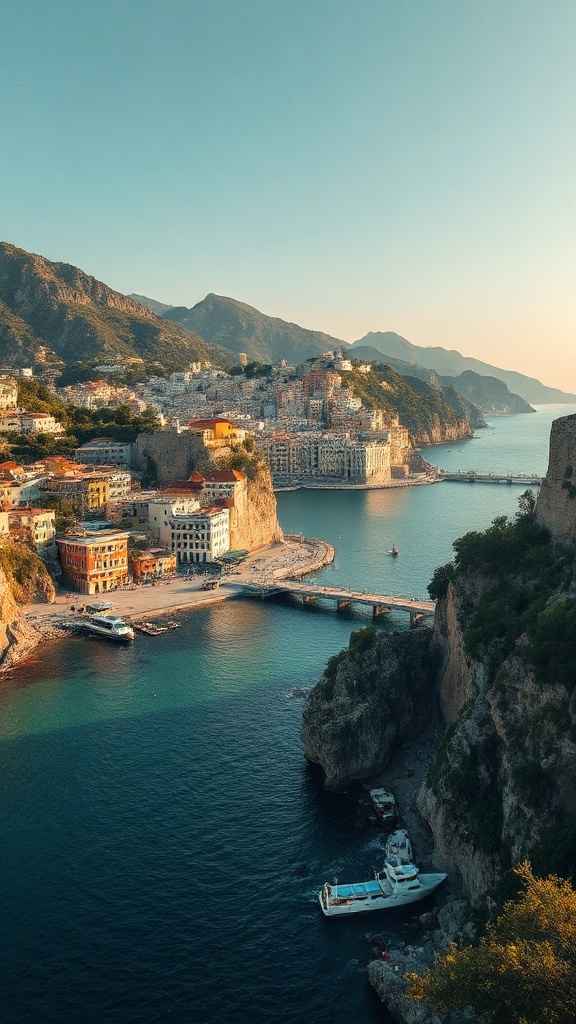
The Amalfi Coast is the picture of Mediterranean allure: pastel houses stacked on steep cliffs, narrow coastal roads that wind above a sparkling sea, and lemon groves perfuming the air. Whether you’re after slow seaside living, dramatic hikes, or culinary discoveries, this coastline delivers a blend of scenery and culture that keeps visitors returning.
Getting there and getting around
Major regional hubs connect to the Amalfi Coast by ferry and bus; ferries are the most scenic way to travel between towns and avoid the cliffside traffic. Road travel on the coastal SS163 is famous for its hairpin bends and panoramic views — renting a compact car gives flexibility, but be prepared for narrow lanes and limited parking. Local SITA buses and private water taxis are practical alternatives for shorter hops.
Book ferries and parking in advance during busy months to secure the best schedules and spots.
Top towns and standout experiences
– Positano: The archetypal cliffside village, known for steep, winding streets, chic boutiques, and pebble beaches. Climb the alleys for postcard views and relax at a beachside café.
– Amalfi: Centered around a striking cathedral, this town blends history with lively piazzas and good access to transport links. Visit the paper museum to learn about the region’s traditional papermaking.
– Ravello: Perched above the sea, Ravello is quieter and celebrated for terraced gardens and classical concerts. Gardens like Villa Rufolo and Villa Cimbrone offer sweeping panoramas ideal for sunset.
– Praiano and Atrani: Smaller neighbors that deliver calmer beaches and a more local vibe while still being within easy reach of major sights.
Outdoor adventures
Hiking the Path of the Gods offers some of the most dramatic coastal vistas on foot — choose sturdy shoes and pack water, sun protection, and a light snack.
Boat tours allow access to sea caves, hidden coves, and snorkeling spots that are otherwise hard to reach.
For a mellow day, charter a small boat or join a group tour to explore the coastline and nearby islands.
Food and drink to savor
The region’s cuisine highlights fresh seafood, handmade pasta, and lemons. Try scialatielli al limone (a local pasta), grilled fish, and simple antipasti featuring local olive oil. Finish with delizia al limone or a glass of limoncello produced from the area’s fragrant lemons. Markets and family-run trattorie are great places to discover authentic flavors.
Practical tips for a smooth visit
– Timing: Warm months bring the best swimming conditions; shoulder-season travel offers milder weather and fewer crowds. Pack layers for cool evenings and a lightweight rain jacket in case of sudden showers.
– Accommodation: Choices range from boutique cliffside hotels with terraces to affordable guesthouses and agriturismi inland.
Book earlier for cliff-view rooms and terraces.
– Safety: Roads are narrow and pedestrian areas steep; comfortable walking shoes and caution while driving are essential. Keep valuables secure and be mindful of busy tourist hotspots.
– Respect local life: The Amalfi Coast sustains a fragile environment and tight-knit communities.
Use public transport when possible, avoid leaving waste on trails and beaches, and support local businesses.
Why visit
The Amalfi Coast rewards slow travel: lingering over meals, wandering lanes without haste, and taking time on the water. With its combination of dramatic landscapes, culinary delights, and cultural charm, it remains a timeless destination for travelers seeking beauty, flavor, and a sense of place to carry home.
