 admin
adminParis remains one of the world’s most magnetic cities, blending timeless landmarks with fast-evolving urban life.
Whether planning a first visit or returning for another stay, understanding how Paris lives now makes for a richer experience—more local flavor, less tourist friction, and more memorable moments.
What to see and where to go
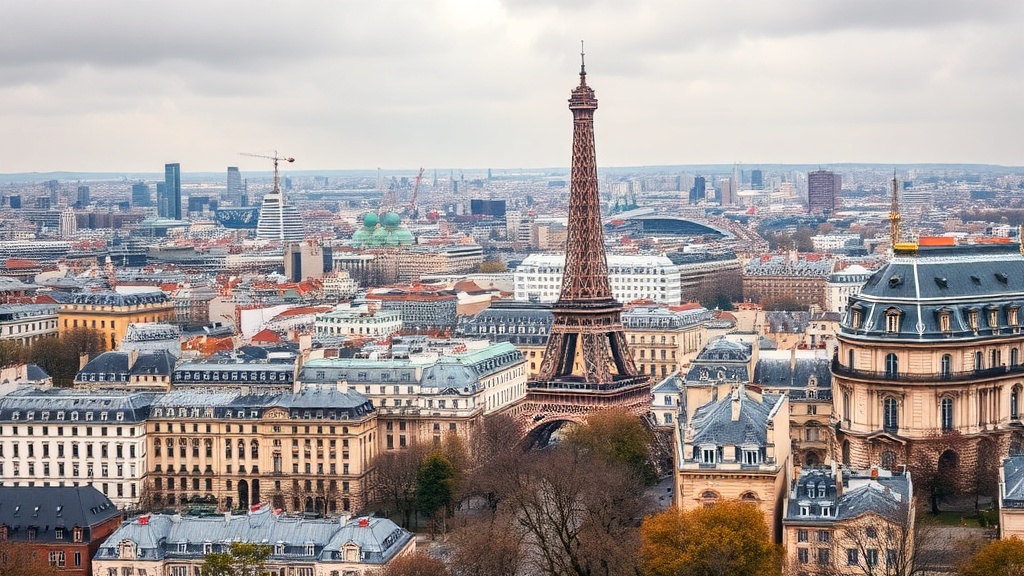
Start with the essentials: the Seine’s riverbanks, where newly car-free stretches invite strolling, picnics, and sunset views. Iconic sights—towering monuments, grand boulevards and historic neighborhoods—are best explored on foot to catch architecture, hidden passages and café culture. Neighborhoods to prioritize include Montmartre for bohemian charm and panoramic steps; Le Marais for boutique shopping, museums and lively squares; the Latin Quarter for bookshops, narrow streets and student energy; and Canal Saint-Martin for relaxed cafés and evening hangouts.
Museum strategy
Major museums attract long lines, so book timed-entry tickets in advance when possible.
For quieter visits, mix headline museums with lesser-known gems—small house museums, specialty collections and contemporary spaces that reveal different sides of Parisian art and history. Early-morning or late-afternoon slots often offer a calmer atmosphere.
Eating like a local
Paris’s food scene balances classic pastry houses, neighborhood bistros and an increasingly diverse culinary landscape. Must-try staples include a fresh baguette or croissant, cheese from a dedicated fromagerie, and an artisan pâtisserie. Explore covered markets and open-air marchés for seasonal produce, charcuterie and ready-to-eat treats.
For evening dining, consider weekday reservations and seek out chef-run bistros or neighborhood brasseries for authentic, well-priced meals.
Getting around
Public transport is efficient and extensive: compact neighborhoods are ideal for walking, while the metro and buses connect further-flung sites quickly.
Bike-share systems and improved cycle lanes make two-wheeled travel a safe and enjoyable option.
Electric scooters are common in central areas but follow local rules and park them responsibly. A mix of walking, transit and cycling keeps travel sustainable and helps discover tucked-away streets.
Sustainable and quieter Paris
Paris is actively creating greener, quieter streets—more pedestrianized avenues, expanded parks and urban gardens. Look for new public squares and riverside promenades when planning routes; these spots are great for a pause away from the busiest attractions. Travelers can support local sustainability by choosing low-impact transport, shopping at small markets, and opting for eco-conscious accommodations.
Practical tips
– Learn a few French greetings—“bonjour” and “merci” go a long way and open doors to friendlier service.
– Mind rush hours on public transit for a more comfortable ride.
– Keep a small umbrella and comfortable shoes; weather can change and many streets invite walking.
– Be aware of pickpocketing in crowded tourist spots and secure valuables.
Cultural rhythm
Cultural life in Paris thrives across theaters, galleries, open-air events and contemporary music venues.
Look beyond headline shows to neighborhood stages and pop-up exhibitions for surprising discoveries. Evenings are ideal for wandering illuminated streets, sampling late-night bowls of food, or joining locals at a wine bar.
A visit to Paris can be as leisurely or as packed as desired. Blending famous sites with neighborhood exploration, embracing greener travel options, and savoring local food culture turns a standard itinerary into a more authentic city experience—one built around slow moments and unexpected discoveries.
