 admin
adminParis is reinventing how people move, meet and linger in its public spaces. Today’s push toward pedestrianization, expanded cycling infrastructure and greener streets is reshaping both daily life for Parisians and the visitor experience, turning once traffic-dominated avenues into quieter, more human-scale places to explore.
What’s changing on the streets
Major thoroughfares, neighborhood lanes and riverbanks have been the focus of policies that favor walking, cycling and public transport.
Car access is increasingly restricted in central districts, low-emission zones reduce polluting vehicles, and many local streets are being redesigned to slow traffic and prioritize people.
The result is calmer streets, cleaner air and more space for cafés, parklets and street life.
Cycling as a reliable option
Cycling has become an everyday choice for a growing share of residents. Public bike systems make short trips convenient, while a growing network of protected bike lanes connects neighborhoods that were previously difficult to reach by bike. Those arriving by train or metro often find a bike easier for the “last mile” of a journey, especially when combined with public transport tickets and apps that show available bike stations.
Seine and riverbank revitalization
The Seine’s riverbanks now read as an extended public living room. Former car routes along certain stretches have been converted into promenades where people jog, picnic and enjoy cultural programming.
Nighttime lighting, weekend markets and temporary art installations contribute to a lively atmosphere that showcases the river as more than a traffic corridor.
Neighborhood life and local markets
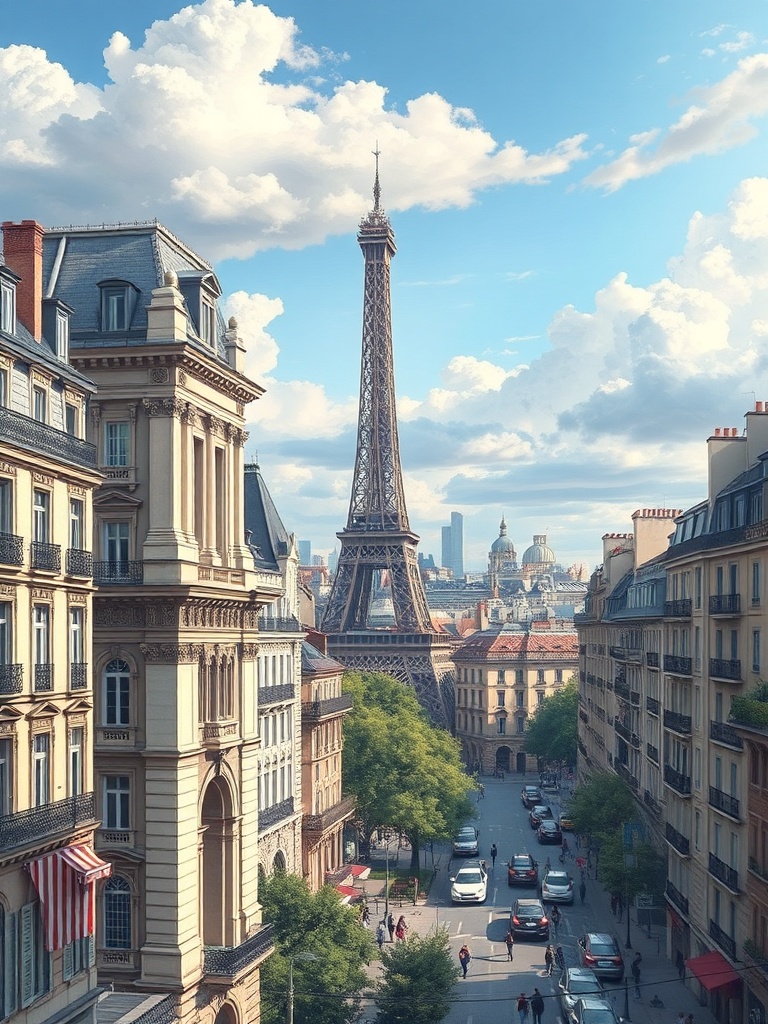
As public spaces reclaim square meters from cars, neighborhood life benefits. Weekly markets, open-air terraces and community gardens thrive where traffic once dominated. Smaller streets host pop-up events and cultural programming, making it easier to discover artisanal food, secondhand fashion and local designers without the rush of tourist hotspots.
Practical tips for visitors and residents
– Walk or cycle when possible: Central areas are surprisingly compact and more enjoyable on foot or by bike. Look for segregated bike lanes and use bike-share apps for short trips.
– Use multimodal planning apps: Combine metro, bus and bike-share options to save time and avoid congested routes.
– Time your visits: Popular promenades and market streets are busiest at midday and early evening; early morning and late afternoon offer a quieter experience.
– Respect shared spaces: Pedestrianized zones and riverbanks often host informal events. Keep noise and litter low and follow local signage.
– Explore beyond landmark streets: Smaller arrondissements reveal authentic food stalls, green squares and artisans that reflect the city’s ongoing transformation.
Why it matters
Urban redesign that prioritizes people over cars improves public health, reduces noise, and supports local economy by encouraging longer visits to shops and cafés. It also makes public life more accessible for families, older adults and people with mobility needs. Sustainable mobility investments create a city that’s easier to navigate and more pleasant to inhabit.
Opportunities ahead
The trend toward greener, quieter streets continues to spur innovative uses of public space: temporary pedestrian plazas, outdoor cultural programming and expanded tree planting.
For anyone interested in urban design, sustainable travel or simply enjoying Paris at a slower pace, now is a great moment to explore the city’s evolving public realm and discover how everyday life adapts when streets are made for people.
