 admin
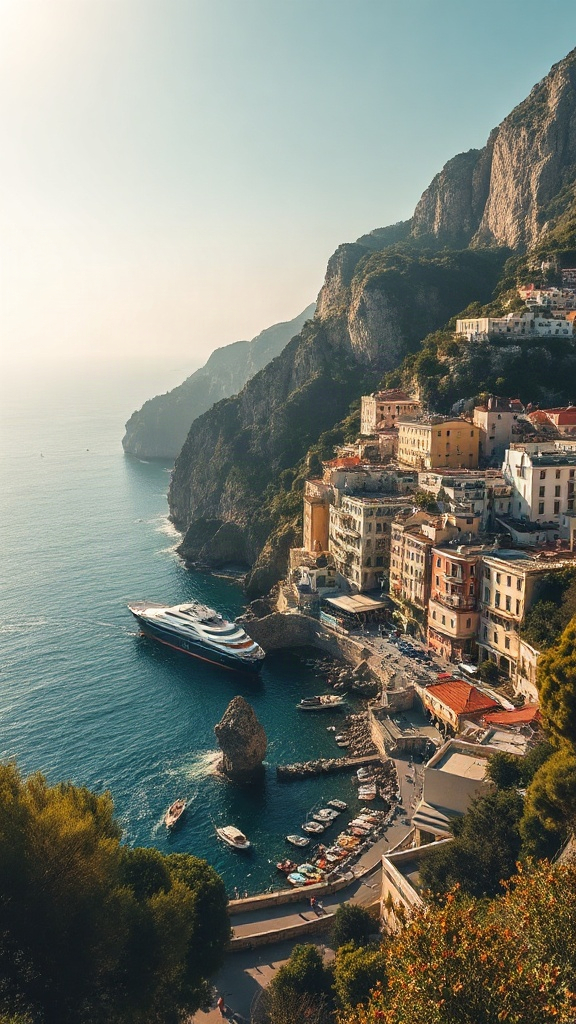
adminAmalfi Coast: a timeless stretch of Mediterranean cliffs, pastel villages, and lemon-scented air that rewards travelers with dramatic scenery and rich local culture. Whether you’re planning a first visit or returning for a deeper taste, the coast offers a blend of seaside relaxation, culinary delights, and active exploration.
Why the Amalfi Coast captivates
Steep terraces of olive groves and lemon orchards tumble toward cobalt waters, while villages like Positano, Amalfi, Ravello, and Praiano unfold in layers of color and texture. The coastline’s combination of dramatic geology and human-scale architecture creates picture-perfect views at every turn. Add boat-accessible coves, cliffside trails, and centuries-old traditions in ceramics and paper-making, and you get a destination that feels both vibrant and authentic.
Top experiences not to miss
– Boat tour or private charter: Exploring the coastline by sea reveals hidden grottos, secluded beaches, and postcard views of cliffside villages. Many visitors include a short stop at nearby islands for swimming and snorkeling.
– Walk the Path of the Gods (Sentiero degli Dei): This renowned trail offers sweeping panoramas of the coastline.
It’s a relatively moderate hike—ideal for sunrise or late afternoon to catch golden light and cooler temperatures.
– Ravello’s gardens and music scene: Perched above the sea, Ravello is quieter but rich in culture, with terraced gardens offering unrivaled views and a longstanding tradition of music events.
– Local cuisine: Expect fresh seafood, handmade pasta like scialatielli, and desserts such as sfogliatella. End meals with a small glass of limoncello made from local lemons grown on the terraces.
– Historic Amalfi and artisan shops: Amalfi town still preserves paper-making traditions and colorful ceramics—perfect for thoughtful souvenirs.
Getting around and practical tips
Driving the coastal road is iconic but can be slow and demanding—narrow bends, limited parking, and heavy summer traffic make alternatives attractive. Ferries connect major towns and provide a relaxing, scenic option. Local buses are economical but can be crowded during peak periods. For flexibility and local insight, consider hiring a driver for a day or joining small-group boat excursions.
Avoiding crowds and living like a local
The coast draws many visitors, so plan to rise early for popular viewpoints and beaches. Staying overnight in a less-touristy village or choosing a boutique guesthouse can transform the experience—early mornings and late evenings are when towns feel most local.
Support neighborhood cafes, family-run restaurants, and artisan shops to keep tourism benefits close to the community.
Practical packing and safety
Bring sturdy walking shoes for uneven streets and trails, sun protection for exposed cliffs, and a refillable water bottle—water sources can be limited on longer hikes. Many coastal stairways and historic sites are not fully accessible, so check mobility requirements when choosing accommodations or activities.
Responsible travel tips
Preserve the landscape by avoiding single-use plastics and following marked trails. Respect local rhythms—markets, church services, and siesta schedules shape the day—and prioritize businesses that demonstrate sustainable practices.
The Amalfi Coast remains a compelling mix of natural beauty and cultural richness. With thoughtful planning—choosing the right transport, exploring both well-known highlights and quieter corners, and embracing local food and craftsmanship—you’ll discover why this coastline continues to enchant travelers seeking both relaxation and discovery.
