 admin
adminA bird’s-eye view of the world is not only reserved for our feathered friends. Today, mankind’s fascination with flying is no longer just a whim; it’s a necessity.
The evolution of flight has transformed over time, revolutionizing the way we travel and live. From the Wright brothers’ first flight to cutting-edge aviation technology, the sky is no longer the limit.
In the realm of commercial aviation, significant strides are currently being made. Although the core concepts of flight have remained relatively unchanged, technological advancements have revolutionized the industry. Today, commercial airplanes are equipped with advanced navigation systems, high-speed internet, and state-of-the-art design elements aimed at improving efficiency and passenger experience.
One of the many marvels of modern-day aviation is the evolution of aircraft design. Engineers and designers are constantly innovating to enhance aerodynamics, reduce fuel consumption, and increase overall performance. Aerodynamic efficiency is paramount in aircraft design, leading to the creation of sleeker, more streamlined planes. This not only reduces drag but also significantly cuts down on fuel consumption, thus making air travel more sustainable.
Speaking of sustainability, the aviation industry is deeply committed to becoming more environmentally friendly. Airlines and manufacturers alike are investing in research and development to create more efficient and eco-friendly aircraft. From biofuels to electric planes, the future of flying is green.
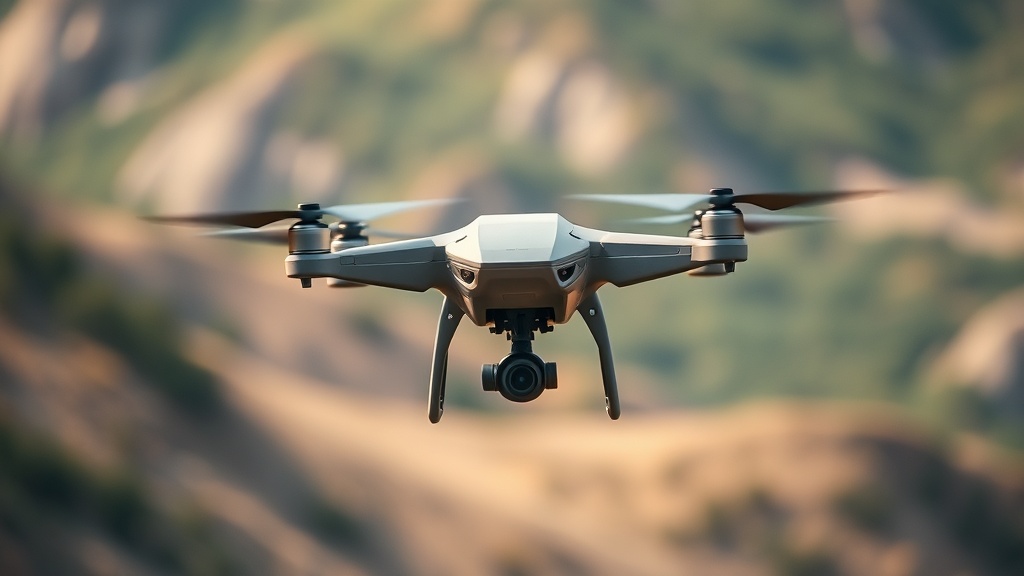
In addition to commercial flying, recreational flying is also gaining popularity. With the advent of personal drones and ultralight aircraft, the dream of personal flight is becoming an achievable reality for many. These devices provide a unique perspective of our world, capturing breathtaking aerial views and enabling exploration like never before.
Not only has the act of flying transformed, but so too has the traveler’s experience.
Airports around the globe are evolving into modern, technologically advanced hubs. With an array of amenities, including high-end dining, luxurious lounges, and digital check-in services, airports are creating an enjoyable and stress-free environment for travelers.
Sophisticated in-flight entertainment systems and Wi-Fi connectivity have also elevated the passenger experience, making long-haul flights more enjoyable and productive. Many airlines are now offering personalized content, ranging from latest movies, TV shows, to music playlists, ensuring passengers are entertained throughout their journey.
However, it’s not just about the journey; it’s also about safety. Today, flying is one of the safest modes of transportation, thanks to stringent regulations and advanced safety systems.
Pilots undergo rigorous training, and aircraft are subjected to regular, comprehensive inspections, ensuring passengers’ safety and peace of mind.
The impact of flying extends beyond travel and exploration. It also plays a critical role in global connectivity and commerce. Air freight is essential for the swift transportation of goods across continents, fostering global trade and supporting economic growth.
The era of flying cars and passenger drones may still be on the horizon, but the rate at which we’re advancing, it might not be far off.
The sky, it seems, is full of possibilities.
From a dream to necessity, the journey of flight has truly been a transformative one. With ongoing advancements and innovations, the future of flight promises to be even more thrilling. Indeed, the sky’s the limit. Or is it?
