 admin
adminCruising has evolved beyond buffet lines and pool decks. Travelers now seek experiences that blend adventure, wellness, and responsible travel.
Whether choosing a mega-ship with Broadway-style shows, a small expedition vessel navigating polar ice, or a cozy river cruise through historic towns, there are clear trends shaping the way people plan and enjoy life at sea.
Why sustainable cruising matters
Environmental stewardship has become a top consideration for travelers. Many cruise lines are adopting cleaner fuel options, advanced wastewater treatment, and shore-power capabilities that let ships plug into local electricity while docked. Passenger-facing initiatives—like eliminating single-use plastics, sourcing local food for menus, and supporting community-run shore excursions—mean your vacation can support destinations rather than strain them.
Types of cruises to fit every travel style
– Mega-ships: Best for families and entertainment seekers, offering diverse dining, water parks, and big-production shows.
– Expedition cruises: Ideal for wildlife and adventure travelers who want immersive experiences in remote places with expert guides.
– River cruises: Great for slow travel through cultural regions, letting you wake up in different towns and explore on easy shore excursions.
– Luxury and boutique ships: Offer personalized service, high-end dining, and fewer passengers for a more intimate experience.
Planning tips for smarter bookings
Flexible booking policies are more common now, so look for options that let you change plans without heavy penalties. Pay attention to what’s included—some fares bundle drinks, Wi-Fi, and excursions while others are more à la carte. Compare cabin categories carefully: an inside stateroom can be budget-friendly, but even small upgrades to a balcony or suite dramatically change the onboard experience.
Health, safety, and comfort
Ships maintain rigorous sanitation and medical facilities, and many lines continue to refine health protocols. For comfort and safety, choose a mid-ship cabin on a middle deck to reduce motion, and pack motion-sickness remedies if you’re prone to seasickness.
Travel insurance that covers medical evacuation and trip interruption adds peace of mind.
Shore excursions: quality over quantity
Popular ports can be crowded. Opt for smaller, local operators or curated small-group tours that focus on meaningful cultural interactions and low-impact activity.
For expedition cruises, prioritize operators that employ trained naturalists, adhere to wildlife viewing guidelines, and limit group sizes ashore.
Packing checklist for modern cruising
– Layered clothing for variable climates
– Comfortable walking shoes and reef-safe sunscreen
– Reusable water bottle and travel utensils to reduce waste
– Travel adaptor, power bank, and a small first-aid kit
– Lightweight daypack for shore excursions
Maximizing onboard experiences
Take advantage of enrichment programs, from guest lectures and cooking demonstrations to wellness classes and specialty dining. Booking specialty restaurants, spa treatments, and popular shore excursions early often secures the best options. For solo travelers, many ships now offer single cabins and social meetups to make it easier to connect.
Choosing the right cruise comes down to matching expectations with the ship’s strengths.
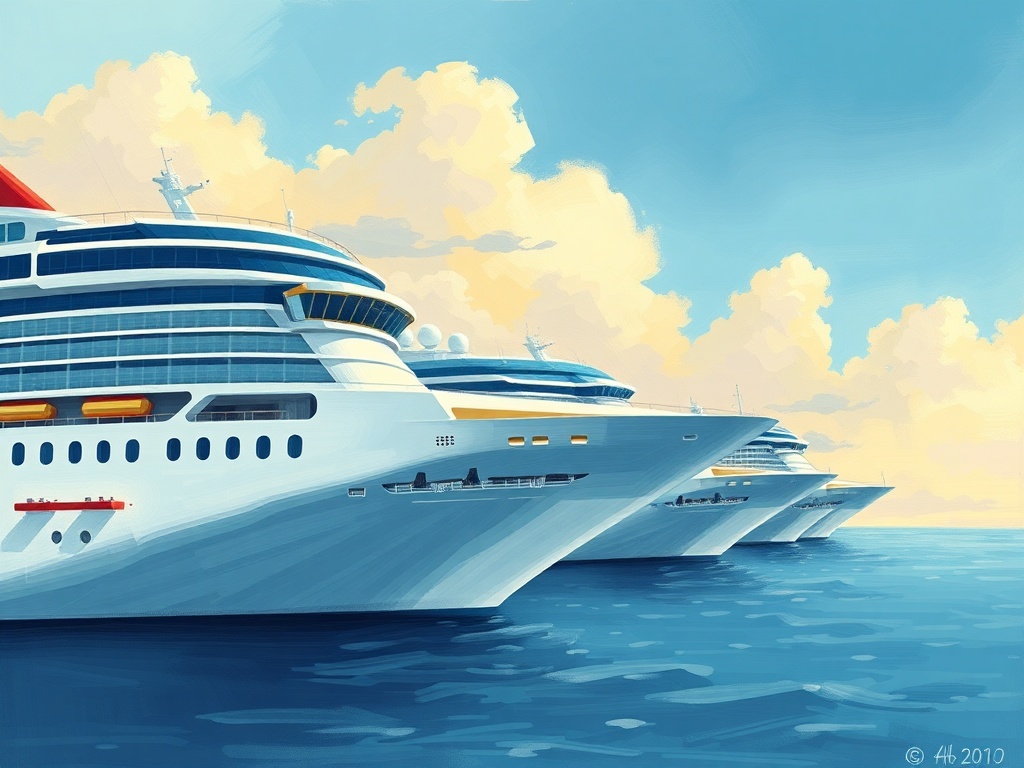
Focus on what kind of daily rhythm you want—relaxation, exploration, or nonstop entertainment—and pick a line and itinerary that reflect that vibe. With improving sustainability practices, richer shore experiences, and more flexible booking options, modern cruising offers a wide array of ways to see the world from the water.
