 admin
adminDramatic cliffs, pastel villages clinging to the rock, lemon groves perfuming the air — the Amalfi Coast remains one of the most seductive stretches of coastline in the Mediterranean. Whether you’re planning a relaxed escape, a food-focused trip, or a day of hiking and boat exploration, this coastline offers a rich mix of scenery, culture, and sensory pleasures.
What to see and do
– Explore cliffside towns: Positano’s steep lanes and boutiques, Amalfi’s historic cathedral and lively piazza, and Ravello’s terraced gardens and music-filled vistas each deliver distinct atmospheres. Smaller villages like Praiano, Minori, and Atrani provide quieter alternatives with authentic local life.
– Boat trips and coves: Renting a day boat or joining a small-group boat tour lets you access hidden grottos, secluded beaches, and dramatic sea caves. Stop for a swim in crystalline waters or anchor near rocky inlets for snorkeling.
– Hike the trails: The famous coastal walks offer sweeping views above the sea. Trails range from gentle promenades to more demanding paths where good shoes and steady footing are essential.
– Culinary pleasures: Seafood is central — fresh fish, grilled octopus, and scialatielli pasta are local staples. Don’t miss the region’s lemons: limoncello, lemon granita, and desserts like the iconic lemon cake showcase the citrus bounty.
– Culture and craft: Amalfi’s historic role as a maritime republic is visible in architecture, duomos, and maritime museums.
Look for handmade paper from traditional mills and hand-painted ceramics sold in local shops.
Best times to visit
Spring and autumn are ideal for mild weather, blooming gardens, and thinner crowds. Summer brings lively energy and long beach days but also higher temperatures and busier roads and ferries. Winter is quiet and atmospheric; many businesses run reduced hours, so planning ahead helps.
Getting around
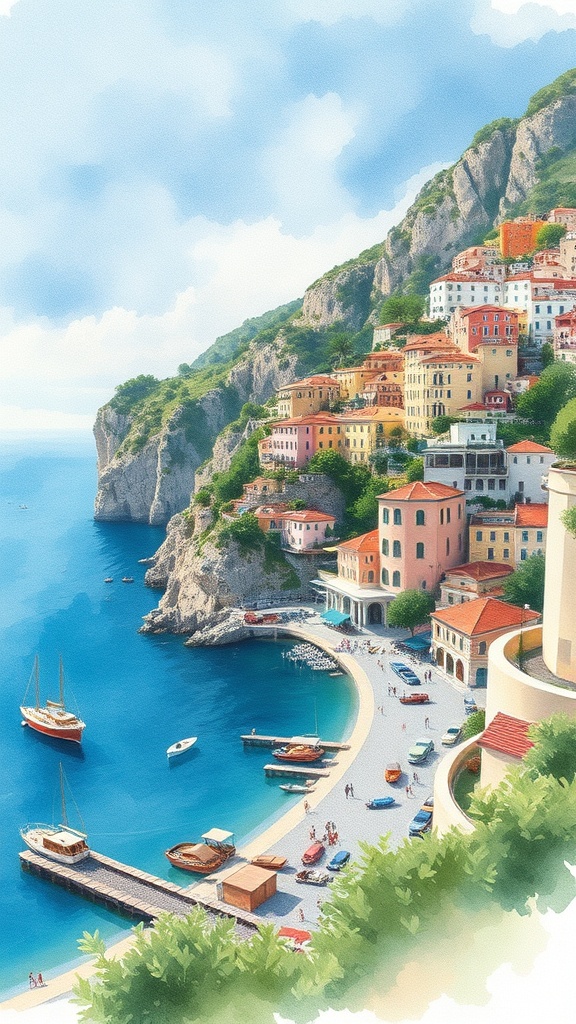
– Ferries connect main towns and provide stunning coastal views from the water. Ferry schedules are frequent during peak months but can be reduced during quieter seasons.
– Driving offers flexibility but be ready for narrow, winding roads, limited parking, and heavy summer traffic.
Consider a private transfer or local taxi for stress-free arrivals and departures.
– Local buses are affordable and cover most towns but can be crowded during busy periods.
Where to stay
Ravello suits travelers seeking tranquility and elevated views.
Positano offers iconic cliffside luxury and bustling nightlife. Amalfi is a convenient base with historical attractions and transport links. Smaller towns like Praiano and Minori can offer better value and a more authentic pace.
Practical tips
– Pack comfortable walking shoes, breathable layers, and sun protection; some stairs and steep streets mean mobility considerations are important.
– Book ferries, boat charters, and popular restaurants in advance during busy periods.
– Cash is handy in small shops and markets, though most hotels and restaurants accept cards.
– Respect local rhythms: many businesses close for a midday break and reopen in the evening.
Why it remains special
The combination of dramatic geology, Mediterranean light, citrus-scented terraces, and centuries of maritime and artistic heritage creates an experience that feels both timeless and immediate.
Whether savoring a slow meal on a sea-view terrace, hiking a panoramic ridge, or slipping into a hidden cove, the Amalfi Coast rewards slow travel, curiosity, and a readiness to let the coastline set the pace.
