 admin
adminEssential Guide to the Amalfi Coast: Hidden Gems, Practical Tips, and Local Flavors
A stretch of rugged coastline, pastel villages clinging to cliffs, and Mediterranean waters so blue they seem painted—this is the Amalfi Coast. Popular for a reason, it combines dramatic scenery with a relaxed pace and a culinary culture centered on fresh seafood and citrus. Whether you’re planning a first visit or returning for another taste of limoncello and lemon groves, these practical tips and lesser-known highlights will help you get the most from your time.
Why go
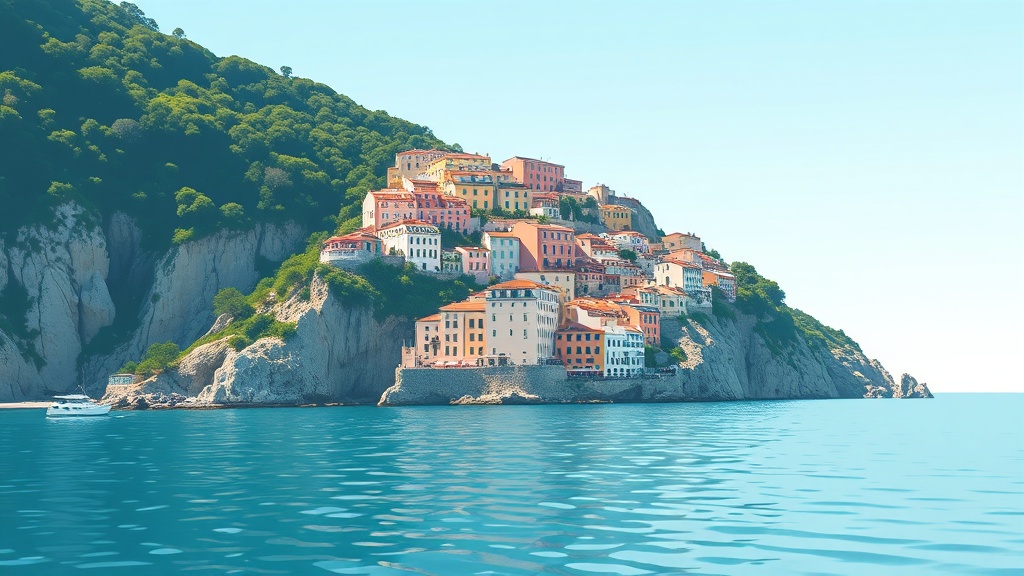
The Amalfi Coast is perfect for travelers who want a mix of scenic drives, coastal hikes, boat time, and small-plate dining. Its towns—each with a distinct character—offer both lively promenades and tucked-away corners where locals linger over espresso. Cultural sites, cliffside villas, and intimate beaches mean there’s something for every kind of traveler.
How to get there and get around
Most visitors arrive via nearby regional airports and then continue by train, bus, private transfer, or rental car. Once on the coast, driving can be breathtaking but challenging: narrow, winding roads and limited parking are common.
Many prefer ferries and local buses for a stress-free experience; ferries connect major towns and provide unbeatable coastal views.
For flexibility, small private boat tours are popular and currently a smart way to reach secluded coves.
Top experiences not to miss
– Walk the Path of the Gods: A scenic cliffside hike offering panoramic views over the Amalfi coastline and the sea beyond. Start early to avoid crowds and heat.
– Explore Positano’s steep lanes: Window-shop artisan boutiques, find a quiet café, and descend to the pebbled beach.
– Visit Ravello for gardens and music: Villa gardens perched above the sea are ideal for sunset photos and tranquil moments.
– Take a boat trip to hidden beaches: Many beautiful coves are accessible only by water—bring swimwear and snorkeling gear.
– Discover lesser-known villages: Places like Atrani and Minori reward curious visitors with fewer crowds and authentic atmosphere.
Food, drink, and local culture
Citrus is everywhere: lemons flavor desserts, pasta sauces, and the region’s famed limoncello. Seafood dominates menus—try freshly grilled fish, spaghetti alle vongole, and fritto misto. Bakeries serve sfogliatella and other sweet treats perfect with morning coffee. Dining tends to be relaxed; embrace the pace, share plates, and explore trattorias off the main promenades for authentic dishes.
Practical tips
– Book accommodations and popular boat tours well in advance during peak periods to secure preferred times and locations.
– Pack comfortable shoes for cobbled streets and stair-filled towns.
– Carry cash for small purchases; not every café or market accepts cards.
– Respect local rhythms: many shops close for a midday break, and noise limits apply in residential areas after dark.
Sustainable travel suggestions
Mindful travel helps preserve the coastline’s beauty.
Favor public transport and ferries when possible, avoid single-use plastics, and choose locally owned restaurants and shops. If hiking, stick to marked paths to protect fragile vegetation and erosion-prone cliffs.
Final thought
The Amalfi Coast remains one of the world’s most alluring coastal destinations because it combines natural drama with small-town charm.
Plan with practical flexibility, embrace slow moments, and seek a mix of well-known sights and quiet discoveries for a richer, more memorable visit.
