 admin
adminThe beach is more than sun, sand, and surf — it’s a dynamic ecosystem and a place where smart preparation makes the difference between a great day and unnecessary risk. Whether you’re a regular beachgoer or planning your first coastal escape, knowing how to read a beach and practice responsible behavior helps everyone enjoy the shore safely and sustainably.
Understanding surf and currents
– Rip currents are powerful, narrow channels of fast-moving water that pull swimmers away from shore.
They often form near breaks in sandbars, jetties, or piers. If caught in one, don’t try to swim directly back to shore against the flow — swim parallel to the shoreline to escape the current, then angle back toward the beach.
– Look for visual clues: darker, choppy channels; foam or seaweed moving steadily seaward; or a gap in breaking waves. Pay attention to posted flags and warnings; lifeguards have the best local knowledge.
– Tides change the shape of the beach and expose hazards like rocks, reefs, or sudden drop-offs.
Check tide charts for the day of your visit, especially if you plan on tidepooling or walking the shoreline at low tide.
Sun protection and hydration
– Apply a broad-spectrum sunscreen with SPF 30 or higher and reapply every two hours, or after swimming or heavy sweating. Don’t forget often-missed spots: the tops of ears, the back of the neck, and the tops of feet.
– Sunglasses that block UVA/UVB rays and a wide-brimmed hat reduce glare and provide extra protection.
– Drink water frequently; beach heat, wind, and salt can accelerate dehydration. Limit alcohol during the hottest part of the day, as it contributes to dehydration and impairs judgment.
Wildlife and habitat awareness
– Beaches are important nesting and foraging areas for birds, turtles, and marine life. Obey seasonal restrictions, keep distance from wildlife, and never disturb nests or hatchlings.
– Dunes and beach vegetation stabilize the shoreline. Use designated walkways and avoid trampling plants. If you see signage about protected areas, respect it — trampling can accelerate erosion and harm native species.
Responsible gear and waste habits
– Pack a reusable water bottle, cloth bag for trash, and a small first-aid kit.
Leave nothing behind; plastic waste and single-use items often end up in the ocean, harming wildlife and clogging beaches.
– Participate in or organize beach cleanups.
Even a quick 15-minute sweep of your area makes a noticeable difference.
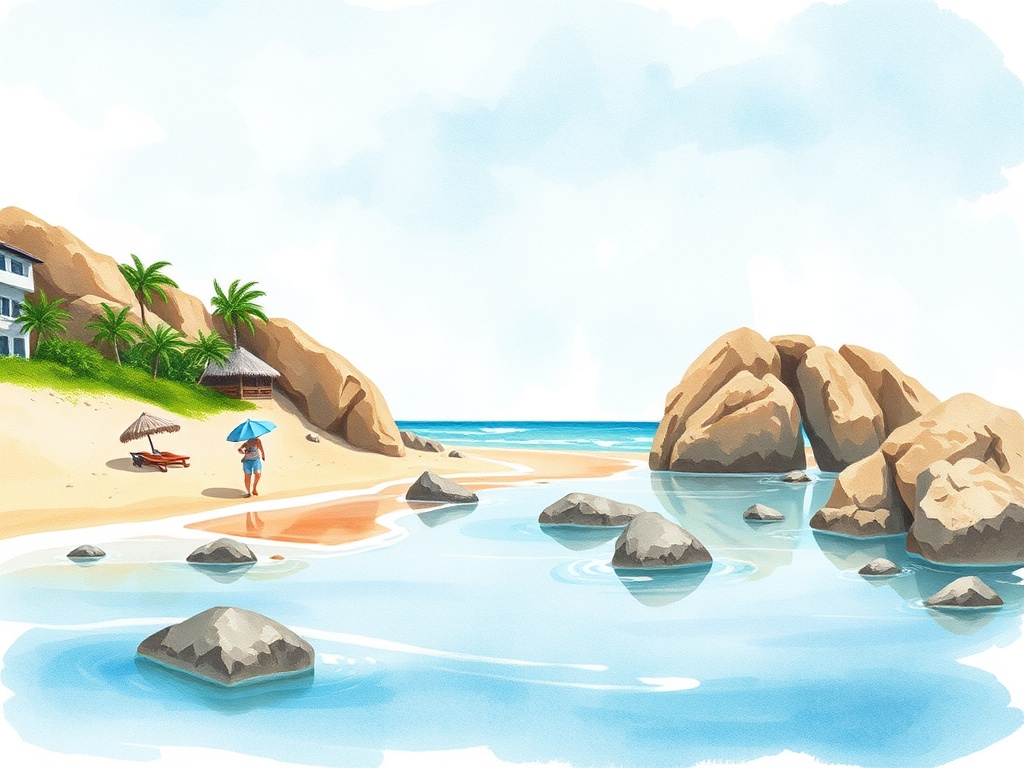
– Choose reef-safe sunscreen when swimming near coral or sensitive marine environments to reduce chemical stress on ecosystems.
Planning for safety
– Swim near lifeguard stations when possible and follow their instructions. If there are no lifeguards, be extra cautious about surf conditions and never swim alone.
– Keep an eye on weather changes. Sudden storms can bring lightning or dangerous surf quickly, so have an evacuation plan and a safe place to wait out bad weather.
– For families, keep children within sight at all times and mark your spot on the beach with a distinctive flag or umbrella to avoid losing each other in crowded areas.
A thoughtful approach to the beach makes every visit more enjoyable and preserves these special places for others. With a few smart precautions and respect for natural habitats, the shore becomes a safer, cleaner, and more rewarding place for everyone.
