 admin
adminWhy London Still Captivates: Transport, Culture, and Green Growth
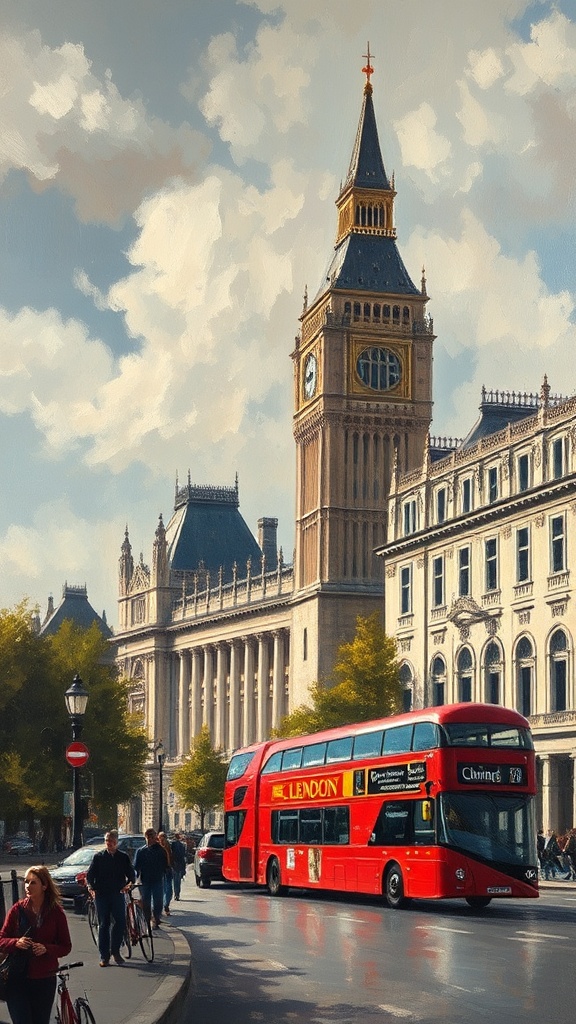
London remains one of the world’s most magnetic cities, blending centuries-old landmarks with fast-moving innovation. Whether planning a short visit or plotting a longer stay, understanding how London moves, eats, and regenerates helps you get the most from the city.
Getting around: practical and evolving
London’s transport network is famously extensive.
The Underground covers central and outer districts, while the Elizabeth line provides faster east–west connections across the city. Contactless payments and Oyster-style cards make fares seamless; check apps for live service updates and planned engineering works before you travel. Santander Cycles offer a convenient hire-bike option for short trips, and dedicated cycle superhighways keep active commuters moving.
River services on the Thames present a scenic alternative to roads and rails, especially for journeys between central piers and riverside attractions.
Culture and entertainment that never sleeps
The West End continues to be a hub for theatre lovers with a mix of long-running hits and bold new productions. Museums like the British Museum, Tate Modern, and the Victoria and Albert provide world-class galleries with rotating exhibitions and late openings that suit different schedules. Street art in Shoreditch and the creative clusters around Old Street underscore London’s continuing role as a design and tech incubator. For live music, look beyond headline venues—smaller clubs and pop-up events often showcase emerging talent.
Food and markets: a global palate
London’s food scene is a study in diversity.
Traditional pubs and formal restaurants coexist with vibrant street food hubs and artisanal markets. Borough Market, Camden, and Brick Lane remain must-visits for distinctive bites, while quieter neighborhood markets spotlight local producers and sustainable options. Dining increasingly emphasizes seasonal menus and plant-forward choices, so reservations can be useful for popular spots, particularly at weekends.
Green spaces and sustainable city living
Green space is one of London’s defining features. Large parks such as Hyde Park and Richmond Park offer expansive walking and cycling routes, while smaller community gardens and pocket parks provide calm in busy neighborhoods.
Urban regeneration projects continue to incorporate biodiversity and public access, and municipal initiatives push for cleaner air and greener transport.
Expect more car-free streets, expanded low-emission schemes in central districts, and growing investment in cycling and pedestrian infrastructure.
Neighborhoods to explore
– South Bank: riverside walkways, cultural venues, and easy access to major sights.
– Camden and King’s Cross: eclectic markets, music venues, and culinary diversity.
– Shoreditch and Hoxton: creative studios, street art, and independent cafés.
– Notting Hill and Kensington: elegant streets, boutique shops, and leafy squares.
Tips for a smoother visit
– Buy or top up a contactless travel card before heavy travel to avoid queues.
– Book popular theatre shows or special exhibitions in advance.
– Use weather-smart layering—London’s climate can shift quickly.
– Try off-peak travel for quieter museums and shorter public transport trips.
– Explore by foot where possible; many neighborhoods reveal unexpected cafés, shops, and architectural gems when discovered on foot.
Why visit or stay?
London’s appeal lies in contrasts: history alongside bold redevelopment, quiet parks next to buzzing markets, world-class institutions beside experimental pop-ups. The city continues to adapt—through transport upgrades, cultural innovation, and sustainability efforts—while retaining the neighborhood character that makes each part of London feel distinct. Whether you’re a first-time visitor or a repeat explorer, there’s always a fresh angle to discover.
