 admin
adminCruising has evolved into a diverse travel category that suits thrill-seekers, slow-travel lovers, foodies, and families alike. Today’s ships blend immersive shore experiences, elevated dining, and greener technologies with the convenience of a floating resort — which means choosing the right itinerary and vessel matters more than ever.
What’s driving change
Sustainable practices are reshaping decisions on board and ashore. Many lines now promote lower-emission fuels, shore-power capability to reduce port pollution, and robust waste-reduction programs.
Travelers are paying attention to operator transparency on sustainability, from local sourcing for restaurants to partnerships that benefit destination communities.
Smaller ships and expedition offerings
While mega-ships still dominate mainstream routes, demand for small-ship and expedition cruising is growing. Smaller vessels access remote anchorages and offer more time ashore; expedition ships typically include expert naturalists and customized excursions for wildlife viewing, kayaking, and immersive cultural encounters.
These experiences are ideal for travelers who prioritize exploration over onboard entertainment.
Personalization and onboard tech
Cruise guests can expect more personalization. Mobile apps consolidate boarding documents, daily schedules, and dining reservations.
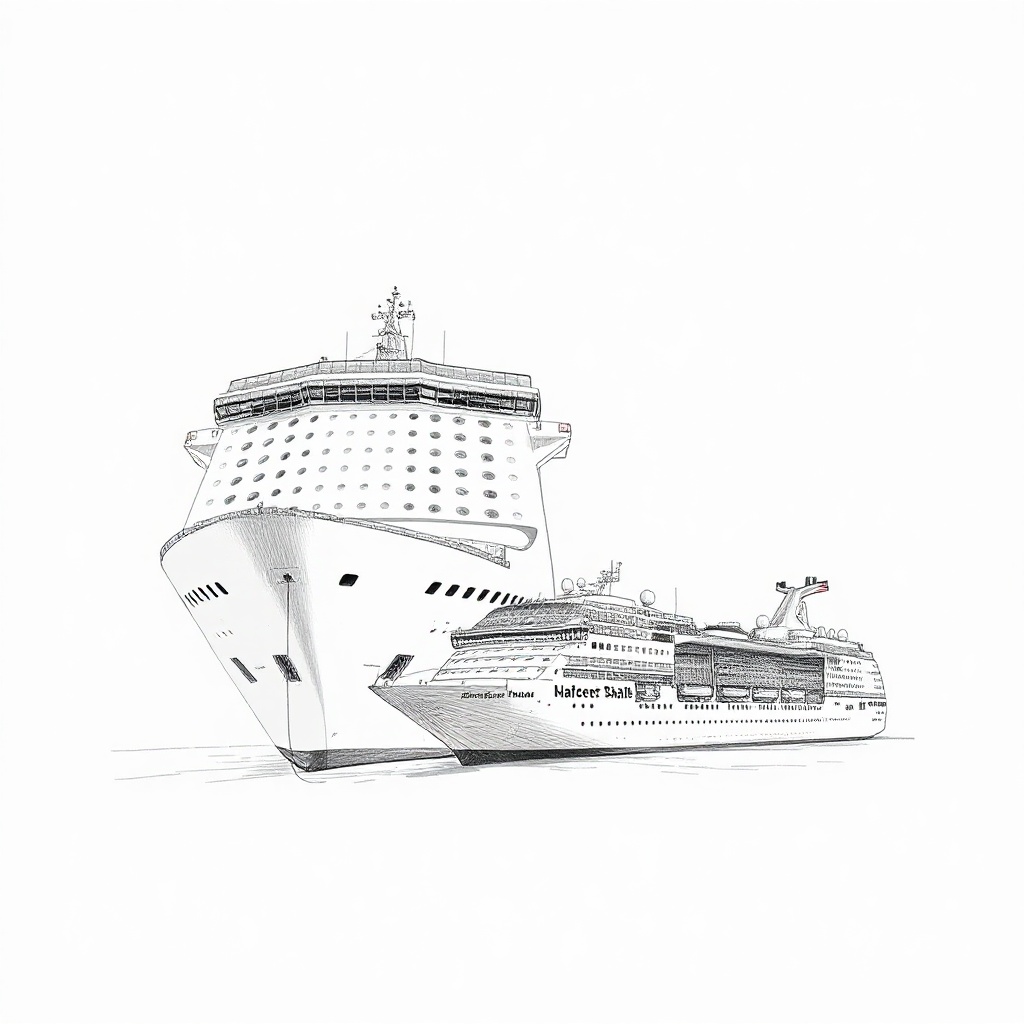
Contactless payments and wearable devices simplify purchases and cabin access. Faster onboard Wi-Fi is increasingly common, enabling streaming, remote work, and live social sharing — although connectivity quality can vary by route and provider.
Culinary and wellness trends
Dining has become a major differentiator.
Expect chef-driven specialty restaurants, destination-inspired menus, and expanded options for dietary preferences. Wellness offerings extend beyond spas to include onboard fitness studios, wellness programming, and holistic retreats that blend exercise, nutrition, and mindfulness. Active itineraries with cycling, hiking, or paddle-sport shore excursions are a popular complement to onboard wellness.
Traveler types and what to choose
– Families: Look for ships with dedicated kids’ clubs, family cabins or suites, and programming that spans multiple age groups. Shore-excursion variety and safety measures matter.
– Solo travelers: Increasing single-occupancy cabins and social programming make it easier for solo guests to meet others while avoiding single supplements on select sailings.
– Couples and luxury seekers: Private balconies, butler service, and curated shore experiences remain highlights of premium product lines.
– Adventure seekers: Expedition itineraries, naturalist-led excursions, and small-ship itineraries are best for off-the-beaten-path exploration.
Practical booking and packing tips
– Invest time in research: Compare itinerary port time, included shore excursions, and onboard inclusions like drinks, gratuities, and Wi-Fi to evaluate value.
– Think cabin strategy: A balcony cabin often enhances the experience, especially on scenic itineraries; mid-ship locations reduce motion for sensitive travelers.
– Pack smart: Include layered clothing, comfortable walking shoes for excursions, a small daypack, power adapters, seasickness remedies if needed, and any prescription medications in carry-on.
– Manage expectations for connectivity: Confirm Wi-Fi packages before boarding if staying connected is important.
Health, safety, and flexible policies
Operators have strengthened health protocols and often provide clearer refund or rebooking options. Review cancellation and medical evacuation policies before booking, and consider travel insurance that covers medical and itinerary changes.
A well-planned cruise offers a balance of relaxation, discovery, and convenience. By choosing the right style of ship and preparing with practical packing and booking strategies, travelers can make the most of modern cruising trends and enjoy a memorable voyage.
