 admin
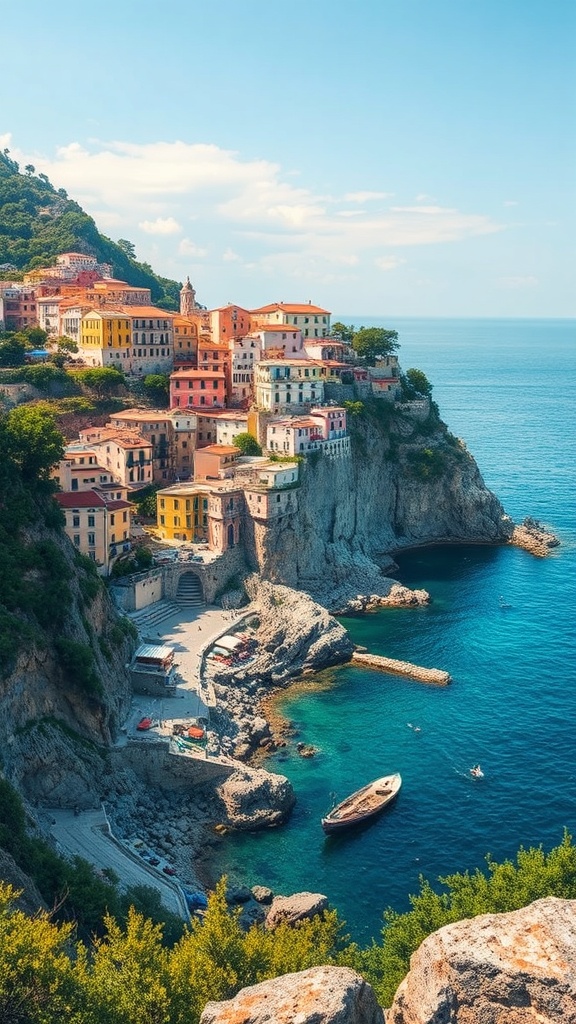
adminThe Amalfi Coast remains one of the most evocative coastal landscapes in Europe, where sheer cliffs tumble into turquoise waters and pastel villages cling to steep terraces. Beyond the iconic postcards of Positano and Amalfi, the coastline offers a blend of dramatic scenery, culinary delights, cultural heritage, and outdoor adventure that rewards curious travelers.
What to see and do
– Positano: Wander narrow lanes lined with boutiques, galleries, and lemon-scented cafés. For panoramic views, climb up from the beach to the upper neighborhoods or catch sunrise light on the cliffside.
– Amalfi: Explore the historic cathedral in the town center, stroll the marina, and sample local pastries in small pasticcerias tucked along the alleys.
– Ravello: Perched above the coast, Ravello is famed for lush gardens and sweeping viewpoints—ideal for quiet afternoons and concerts held in villa gardens.
– Path of the Gods (Sentiero degli Dei): This iconic trail delivers breathtaking vistas of the coastline and islands beyond. Suitable footwear and water are essential; sections are exposed and can be steep.
– Hidden gems: Small towns like Atrani and Praiano offer authentic charm with fewer crowds.
Fiordo di Furore and its dramatic cove are perfect for photography and a quieter shoreline experience.
– Sea excursions: Ferries and private boats link the coast with Capri, nearby islands, and coastal towns. A boat trip clarifies why the coastline’s geology and colors are so celebrated.
Taste and local culture
Lemon groves define much of the coast’s flavor profile. Limoncello and lemon-based pastries are local specialties, while seafood dominates menus—try grilled fish, fritto misto, and scialatielli pasta with shellfish. Markets and family-run trattorie provide a chance to taste authentic recipes passed down through generations.
Getting there and around
The nearest major entry point is a nearby international airport with onward rail and bus connections to the Sorrentine Peninsula. From there, ferries, local buses, and small coastal roads (notably the famous coastal drive) connect villages. Driving the coastal road is spectacular but narrow and winding—many visitors opt for ferries or public buses to avoid the stress of parking and hairpin turns.
Practical travel tips
– Book ahead for cliffside hotels and popular restaurants during peak season; consider shoulder-season travel for quieter streets and milder prices.
– Pack comfortable walking shoes, a light layer for cooler evenings, sun protection, and a reusable water bottle.
– Reserve any guided hikes or boat tours with reputable operators who prioritize safety and local knowledge.
Sustainable travel notes
The coastline’s ecosystems are delicate. Support small, local businesses, dispose of waste responsibly, and choose low-impact transport when possible. Respect private terraces and farmland—many stunning viewpoints are on private property, so stick to public paths and permitted areas.
Why visit
The Amalfi Coast combines natural beauty, culinary richness, and a sense of timeless Mediterranean living. Whether the goal is to hike high trails, drift on a private boat, linger over slow meals, or simply watch light change over the sea from a cliffside terrace, the region rewards a pace that favors discovery over rushing.
Planning a trip around relaxed days, expectant curiosity, and attention to local customs will make the experience richer for visitors and residents alike.
