 admin
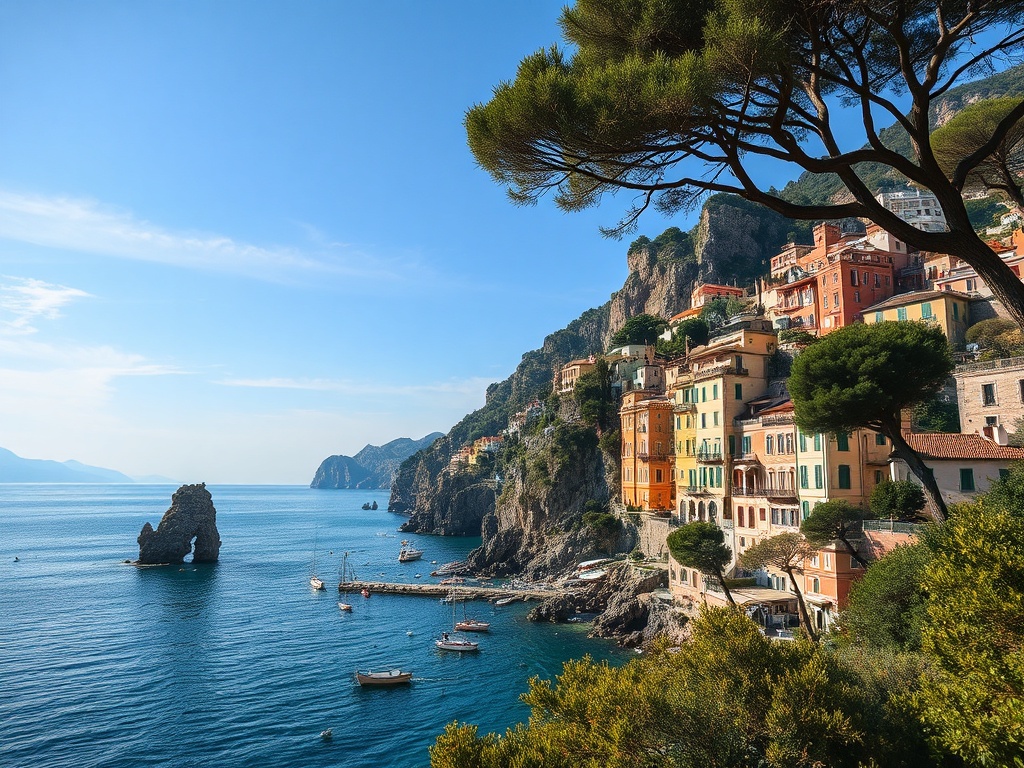
adminThe Amalfi Coast remains one of Europe’s most magnetic coastal stretches, where pastel villages cling to cliffs, lemon groves scent the air, and turquoise water laps hidden coves. Whether planning a relaxed escape or an active adventure, understanding how to move around, where to go, and what to taste will make any visit more rewarding.
Highlights and lesser-known gems
– Positano: The picture-postcard village is famous for its steep stairways, boutique shops, and Spiaggia Grande. Early morning or late afternoon offer softer light and fewer crowds for photos.
– Amalfi: Once a maritime republic, this town blends historic architecture with seaside energy. The cathedral square and nearby paper-mill museum are easy to pair with a seaside lunch.
– Ravello: Perched above the coast, Ravello offers gardens and panoramic terraces that feel a world away from the beaches below.
– Praiano, Atrani, Minori, and Maiori: These smaller towns provide calmer alternatives with charming beaches, family-run trattorie, and a more local rhythm.
– Hidden spots: Explore Fiordo di Furore, tiny coves reachable by boat, and the Valle delle Ferriere for a green escape with waterfalls and rare plant life.
Getting around and practical tips
The coastal road is stunning but narrow and winding; driving is manageable but can be stressful during peak hours. Ferries connect main towns and are often the most scenic and efficient option. Local buses weave through the cliffside towns—useful, affordable, and often crowded. Consider combining modes: ferry for sea legs, bus or short taxi hops for inland access.
Parking is extremely limited near central attractions. If renting a car, plan accommodations with reserved parking or park in a peripheral lot and use public transport. Carry some cash for small shops and espresso bars; while cards are increasingly accepted, tiny businesses may prefer cash.
Outdoor activities
Hiking opportunities include the celebrated coastal trails with breathtaking vistas.
The Path of the Gods offers iconic sweeping views and options for shorter hikes. For a cooler, more shaded walk, head inland valleys where streams and ruins add variety. Boat tours enable sea caves, snorkeling, and access to quieter beaches that are inaccessible by land.
Food and drink
Cuisine emphasizes fresh seafood, handmade pasta, and citrus-forward flavors. Try dishes like scialatielli with clam sauce and the local lemon desserts—delizia al limone is a must. Limoncello, produced from the region’s fragrant lemons, is commonly offered after meals. Seek out family-run trattorie for authentic flavors and consistent quality.
Seasonal considerations and sustainability
Shoulder seasons provide milder temperatures and fewer tourists, enhancing the experience of narrow streets and popular viewpoints. Respect local rhythms: many businesses observe mid-afternoon closures for rest periods, and preserving the coastal environment means choosing sustainable operators for boat trips and avoiding overcrowded paths.
Packing and comfort
Bring comfortable walking shoes, sun protection, and a light layer for cooler evenings at higher elevations.
If planning boat trips or swims, a quick-drying towel and snorkel gear are handy. Expect lots of stairs—pack light when moving between cliffside accommodations.
The Amalfi Coast rewards slow exploration. Balance famous spots with quieter corners, savor meals in small family-run establishments, and let the rhythm of the sea guide the day for an experience that feels both spectacular and intimate.
