 admin
adminParis is reinventing itself as a greener, more walkable city where everyday life blends historic charm with practical sustainability. From widened sidewalks and car-free boulevards to expanding bike networks and thriving community gardens, Paris is showing how dense cities can prioritize people and nature without losing their character.
A quieter Seine and friendlier streets
Urban planners have been reclaiming space along the Seine and in central neighborhoods, turning former traffic corridors into promenades, seating areas, and pop-up markets. These riverfront transformations encourage strolling, outdoor dining, and cultural events while reducing vehicle congestion. Walking across Île de la Cité or along Île Saint-Louis now feels less like navigating a transit hub and more like exploring a living neighborhood.
Cycling and micromobility for easy short trips
Cycling is now a practical way to move around Paris.
A growing network of segregated bike lanes connects major neighborhoods, making commuting safer for riders of all experience levels. Public bike schemes, cargo bikes for deliveries, and rentable e-scooters complement the traditional metro, giving residents and visitors flexible low-carbon options for short trips.
For tourists, renting a bike or joining a guided cycling tour provides a unique vantage point for seeing parks, markets, and hidden streets.
Urban parks and pocket green spaces
Large parks like Parc des Buttes-Chaumont and Parc Monceau remain essential urban lungs, but what makes Paris especially inviting are the smaller green projects tucked between buildings: pocket parks, plant-filled roundabouts, and rooftop terraces. Community gardens and allotments have popped up in neighborhoods across the city, offering residents space for growing vegetables, meeting neighbors, and learning about urban ecology. These spaces boost biodiversity and create cool, shaded refuges during warm spells.
Markets, local food, and sustainable shopping
Neighborhood markets continue to anchor Parisian life.
Beyond the classic produce stalls, many markets now spotlight local producers, seasonal cuisine, and low-waste practices. Zero-waste shops and cooperatives provide refill options for staples, while a flourishing scene of independent bakeries, coffee shops, and small restaurants embraces local sourcing. For shoppers who want to combine culture with sustainability, areas known for artisanal goods and vintage shops offer mindful alternatives to mass retail.
Public transit and integrated mobility
An efficient metro and bus network remains the backbone of mobility, and the city’s focus on integrated ticketing and last-mile connections makes it easier to leave the car behind. Stations are increasingly accessible and better connected to bike lanes and pedestrian routes, encouraging seamless multimodal trips. For visitors, planning routes that combine walking, public transit, and cycling is a convenient, eco-friendly way to see the city.
Practical tips for experiencing Paris’s greener side
– Walk at least one riverbank promenade to appreciate the scale of the changes.
– Rent a bike for a half-day to explore parks and canal-side neighborhoods.
– Visit a local market for seasonal produce and characterful people-watching.
– Seek out community gardens or rooftop viewpoints for a quieter perspective.
– Use public transit for longer distances and support low-impact transport options.
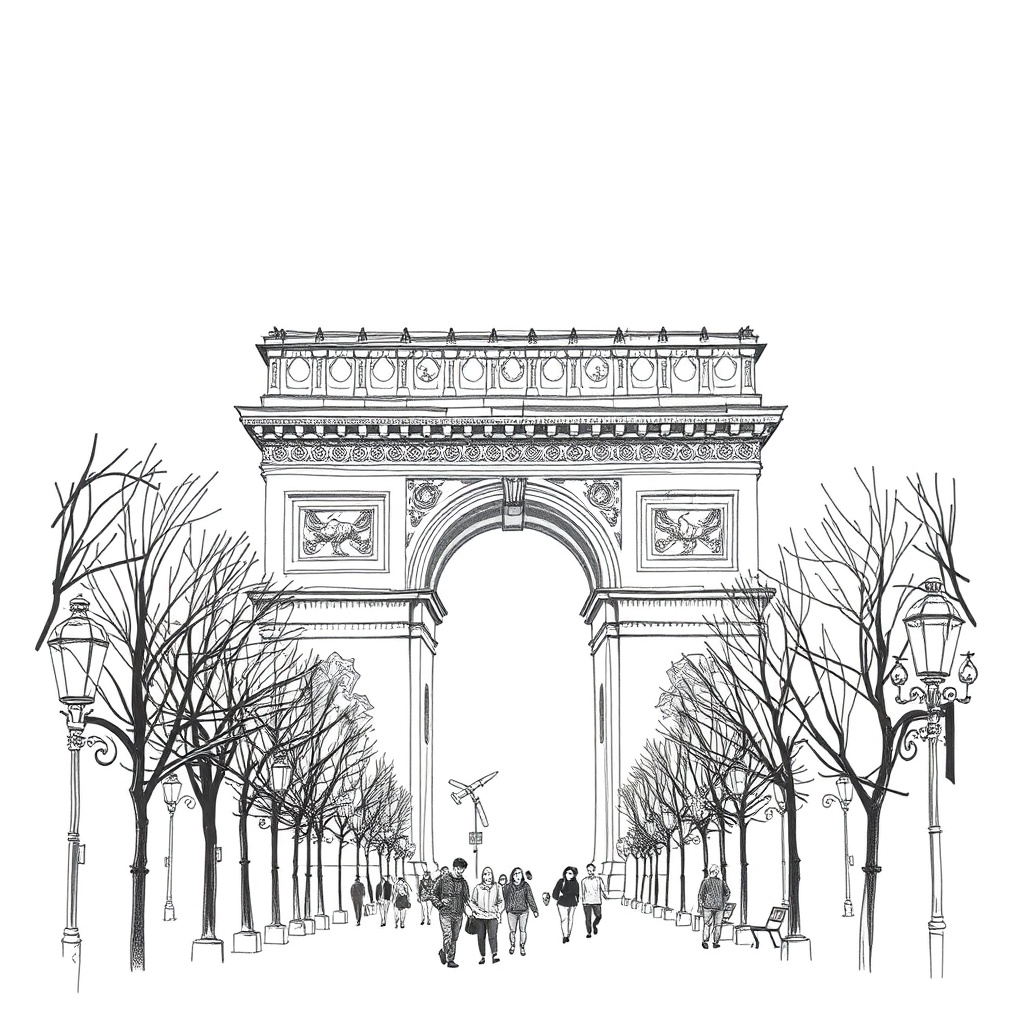
Exploring Paris today reveals a city balancing its iconic architecture and cultural institutions with forward-thinking urban design. The result is a more livable, breathable metropolis that invites both residents and visitors to slow down, connect with nature, and enjoy the city at a human pace.
