 admin
adminSlow Travel and Sustainable Tourism: How to See More by Slowing Down
Travelers increasingly seek meaningful experiences instead of ticking destinations off a list.
Slow travel and sustainable tourism offer richer, more responsible ways to explore the world while minimizing environmental impact and supporting local communities. Here’s how to plan trips that are better for the planet—and better for you.
What slow travel means
Slow travel focuses on quality over quantity: fewer destinations, longer stays, deeper cultural immersion. Rather than rushing between landmarks, slow travelers stay in one place long enough to learn local rhythms, build relationships, and discover hidden gems that guidebooks miss. This approach reduces transportation emissions and creates more authentic experiences.
Choose transportation wisely
How you get there and move around matters. Opt for direct flights where possible to cut emissions from takeoffs and landings. When feasible, favor train or bus travel for regional journeys—these options often offer scenic routes and a lower carbon footprint. Once on the ground, walk, bike, or use public transit to explore neighborhoods; it’s healthier, cheaper, and more sustainable.
Book longer stays and local lodging
Longer stays in a single location allow for slower exploration and lower per-day travel emissions. Consider staying in locally owned guesthouses, small hotels, or family-run apartments. These options keep tourism revenue within the community and often provide more personal service and local insight than large international chains.
Support local economies
Eat where residents eat, shop at neighborhood markets, and hire local guides and artisans.
Small purchases—like a meal at a family-run restaurant or a handcrafted souvenir—have outsized benefits for local livelihoods. Look for tours and experiences run by local operators rather than big companies that funnel profits elsewhere.
Respect culture and environment
Responsible travelers follow local customs, dress appropriately at religious or cultural sites, and ask permission before photographing people. Minimize environmental impact by carrying a reusable water bottle, reducing single-use plastics, and staying on marked trails in nature areas. Learn a few basic phrases in the local language—this small effort goes a long way toward mutual respect.
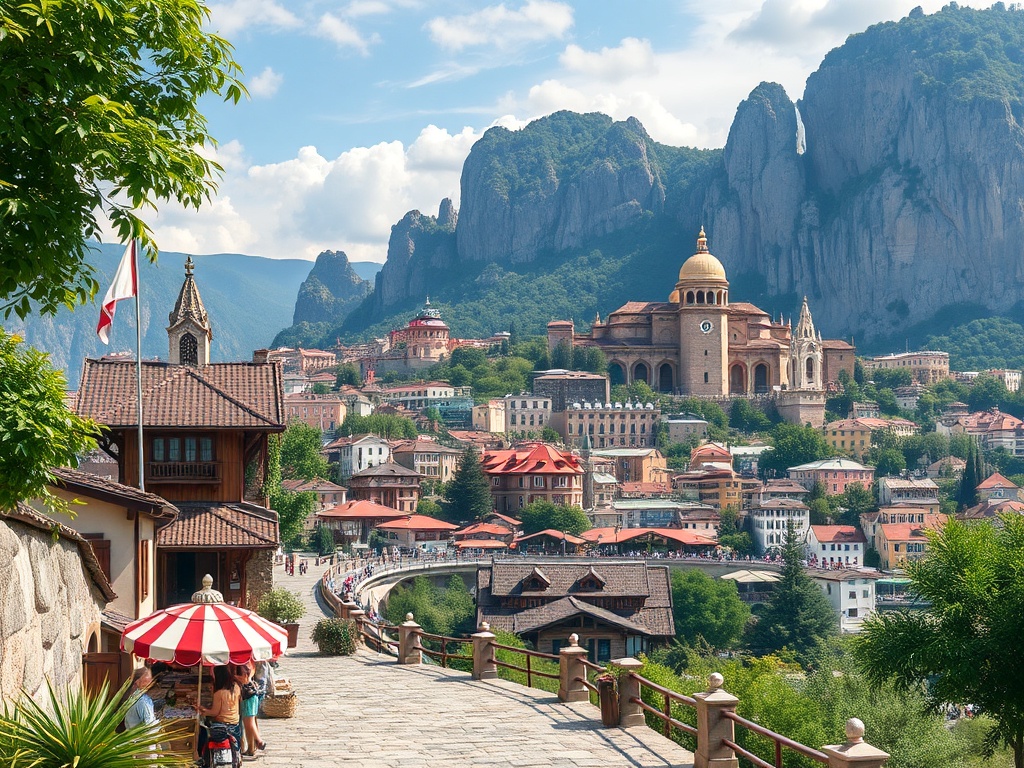
Choose experience over consumption
Prioritize activities that create memories rather than material clutter: cooking classes, community-led walking tours, home-hosted dinners, or conservation-focused volunteering. These experiences deepen understanding of a place and often support preservation efforts or cultural exchange programs.
Plan thoughtfully with research
Do background research on sustainable certifications, community-based tourism initiatives, and conservation projects in your destination. Read recent traveler reviews that mention ethical practices and look for accommodation and tour operators that transparently describe their environmental and social commitments.
Pack and prepare smart
Travel light to reduce transport emissions and avoid excess baggage fees. Bring essentials that reduce waste—reusable bags, utensils, a collapsible water bottle, and a compact first-aid kit. Digital tools can help with planning and local navigation, but try to balance screen time with mindful observation of your surroundings.
Slow travel isn’t about avoiding discovery; it’s about discovering more by moving less hurriedly and more respectfully. By choosing longer stays, supporting local businesses, and minimizing environmental impact, travelers can create deeper, more memorable journeys—benefiting both visitors and the places they love to explore.
