 admin
adminAirlines are moving beyond traditional cost and route strategies to prioritize sustainability, efficiency, and passenger experience. That shift affects everything from the type of fuel in wing tanks to how airports handle ground operations, and it gives travelers more ways to reduce their own travel footprint without sacrificing convenience.
What’s changing in the skies
– Sustainable aviation fuel (SAF) is one of the clearest levers. Blends of SAF with conventional jet fuel can lower lifecycle carbon emissions for flights that use them.
Airlines are increasingly committing to purchasing SAF or investing in production, which helps scale supply and reduce prices over time.
– Fleet renewal remains central. New-generation narrowbodies and widebodies offer significant fuel burn improvements per seat thanks to aerodynamic advances and lighter materials.
Retiring older models reduces emissions and often improves passenger comfort with quieter cabins and better air quality.
– Operational efficiencies matter. Measures like single-engine taxiing, continuous descent approaches, and better flight planning reduce fuel use on every flight. Airports and airlines cooperating on ground electrification — such as using electric tugs and ground power units — cuts emissions while planes are parked.
– Emerging technologies are gaining attention.
Electric and hydrogen propulsion are being developed for short-haul and regional routes, promising near-zero operational emissions, while long-haul decarbonization will rely heavily on SAF and other innovations.
How travelers can make greener choices
Travelers can influence airline behavior through choices and awareness. Simple actions add up:
– Pick nonstop flights when possible. Takeoffs and landings are the most fuel-intensive parts of a trip, so eliminating connections typically lowers overall emissions.
– Pack lighter and consolidate luggage.
Less weight means less fuel burn, especially for smaller aircraft.
– Check aircraft types.
Newer models generally use less fuel per passenger; many airlines list aircraft details on booking pages.
– Opt into airline offset programs or use reputable offset providers. Look for transparency about where funds go and whether projects are verified by recognized standards.
– Support airlines with credible sustainability commitments. Look for airlines investing in SAF, fleet renewal, and verified emission-reduction projects rather than relying solely on offsets.
What to watch when booking
Transparency is improving.
Many airlines now provide carbon calculators or publish sustainability reports that explain their fuel mix, SAF purchases, and emission reduction targets. Third-party verification and partnerships with reputable suppliers add credibility. When comparing fares, consider both price and environmental impact; a slightly higher fare on an airline with clear sustainability practices can be a smarter choice for frequent flyers.
The business opportunity
Sustainability is also a revenue driver. Travelers increasingly value low-impact travel options and are willing to pay for premium economy seats that balance comfort and efficiency.
Ancillary services tied to sustainability — for example, the option to pre-purchase a share of SAF for a flight — are appearing in booking flows and loyalty programs.
Bottom line
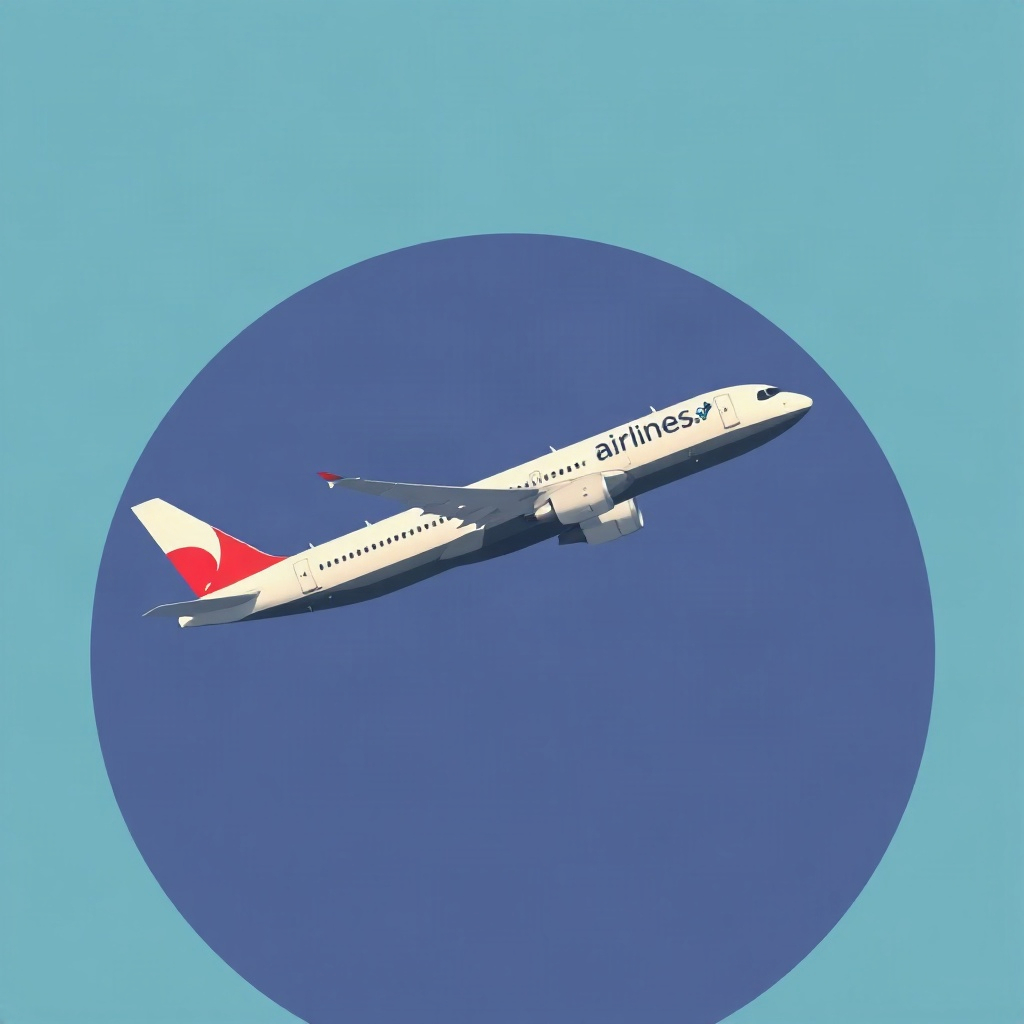
The airline industry is adapting to demand for cleaner, more efficient travel through a mix of fuel innovation, fleet improvements, and smarter operations. Travelers who pay attention to aircraft type, route choices, and verified sustainability claims can reduce their travel footprint while supporting airlines that prioritize meaningful, measurable progress.
