 admin
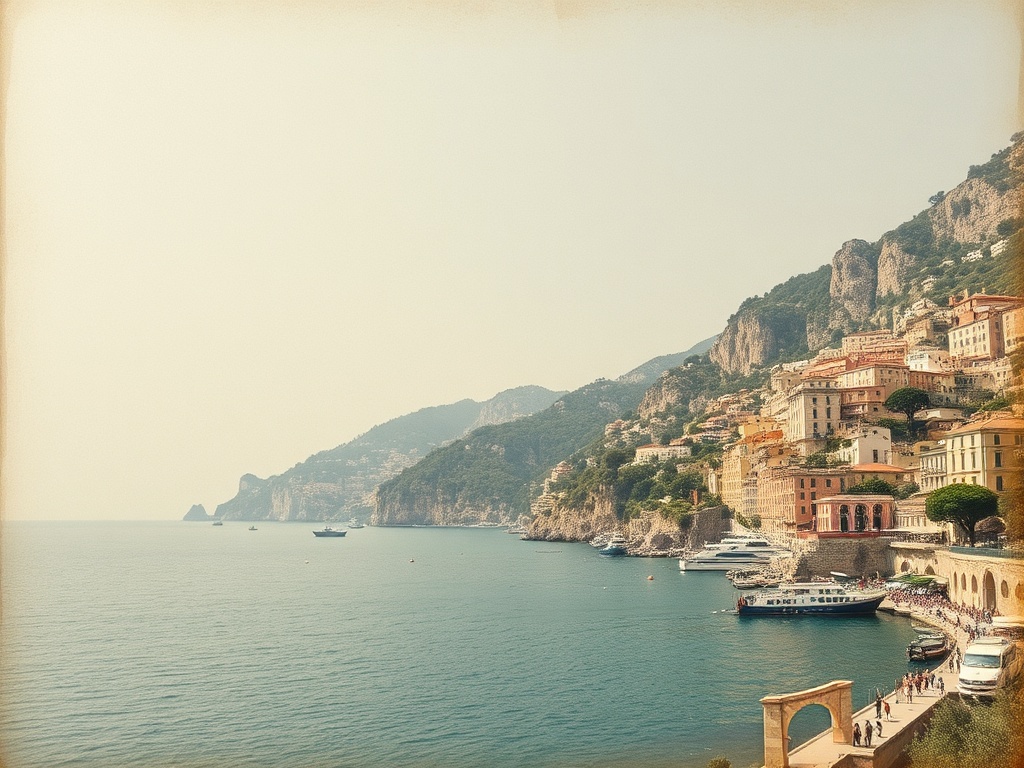
adminDramatic cliffs, pastel villages clinging to rock, and water so blue it seems unreal—this is the Amalfi Coast, one of Italy’s most photographed stretches of coastline. Whether you’re chasing iconic views, hiking narrow trails, or savoring seaside seafood, the region blends natural beauty, rich culture, and a slow Mediterranean rhythm that keeps visitors coming back.
Getting there and getting around
The coastal road is as famous as the views—a ribbon of switchbacks linking villages from Sorrento to Salerno. Driving that route delivers unforgettable panoramas but be ready for narrow lanes, limited parking, and dense summer traffic. For a less stressful approach, use the frequent ferries that run between main ports; they offer quick hops and unbeatable coastal perspectives. Local buses provide budget-friendly connections between villages, and many travelers find a combination of ferries, buses, and walking the simplest way to explore.
Must-see experiences
– Positano: The iconic postcard town with steep staircases, boutique shopping, and a pebble beach.
Arrive early to enjoy quieter streets and catch the light on the cliffside houses.
– Amalfi: Once a maritime republic, Amalfi offers a lively piazza, a striking cathedral façade, and a lively harbor. It’s a good base for exploring nearby towns.
– Ravello: Perched above the sea, Ravello is famed for villa gardens and sweeping views.
Gardens at local villas host frequent concerts and are perfect for sunset viewing.
– Path of the Gods: This cliff-hugging trail rewards hikers with panoramic vistas over terraced lemon groves and azure water. Wear sturdy shoes and bring water—the trail is exposed in places.
– Boat trips and grottoes: Private or shared boat tours reveal hidden beaches and sea caves, including the famous coastal caverns that shimmer with emerald light.
Food and drink
Local cuisine is a highlight: fresh seafood, handmade pasta, and citrus-forward flavors. Try dishes featuring anchovies, spaghetti alle vongole, and desserts like sfogliatella.
Limoncello, the lemon liqueur made from coastal lemons, is a must-try; many small producers sell bottles and offer tastings. Eating at small, family-run trattorie not only delivers authentic flavors but supports local businesses.
Practical tips
– Book lodging and key activities ahead, especially during peak season, since the most popular hotels and restaurants fill quickly.
– Pack light and choose soft-sided luggage; many towns require carrying bags down steps and along narrow alleys.
– Comfortable shoes are essential—expect stairs and cobblestones everywhere.
– Respect local customs: dress modestly when visiting churches, and be mindful of noise in quiet residential areas.
– Currency is euros; contactless payments are common but smaller cafes and markets may prefer cash.
Sustainable travel
The Amalfi Coast’s fragile landscape and narrow infrastructure mean responsible travel matters. Support small businesses, avoid single-use plastics, stick to marked trails, and use public transport when possible. Consider visiting lesser-known villages—places like Atrani, Praiano, or Cetara—where you’ll find authentic charm with fewer crowds.
With careful planning and a spirit of curiosity, the Amalfi Coast rewards every traveler—offering stunning vistas, memorable food, and the kind of slow Mediterranean moments that linger long after you leave.
