 admin
adminLondon’s riverfront is one of the city’s most dynamic corridors: a mix of history, culture, green space and contemporary life that stretches from the west to the east. Whether you’re after a relaxed riverside stroll, a culture-packed afternoon, or a scenic commute, the Thames and its adjoining neighborhoods offer an ever-evolving experience worth exploring.
Why the Thames matters
The river is more than a backdrop. It shaped London’s history and remains central to its identity today. Along the riverbanks you’ll find historic docks and grand landmarks alongside modern developments, public art and new parks that invite residents and visitors to linger.
Top riverside routes and must-see stops
– South Bank to Tower Bridge: This classic walk passes street performers, the Southbank Centre, the Tate Modern and Shakespeare’s Globe, finishing with a close-up view of Tower Bridge and the Tower of London. There are plenty of cafes, pop-up stalls and riverside terraces to break up the route.
– Greenwich: On the river’s south-eastern curve, Greenwich offers maritime history, a famous park with city views, and a lively market.
Continue east to discover quieter stretches and restored docklands.
– Battersea and Chelsea stretch: Battersea Park and Chelsea’s riverfront combine leafy promenades with grand architecture.
Battersea Power Station’s redevelopment has added new dining and retail choices close to the water.
– Canary Wharf and the Isle of Dogs: Skyscrapers, modern plazas and a growing riverside arts scene make east London’s financial heart surprisingly pleasant for riverside exploration.
Transport along the river
River buses and ferries offer a scenic alternative to road and tube travel.
They’re useful for connecting neighborhoods while avoiding rush-hour congestion. For short hops, many piers are within walking distance of major tube stations.
Cycling is also practical: the Thames Path and dedicated cycle lanes make for fast, enjoyable journeys, and dockless cycle hire or Santander-style rental bikes give flexibility for short trips.
Where to stop for food and drink
Riverside dining ranges from casual grab-and-go stalls and historic pubs to Michelin-starred restaurants with river views.
Markets such as those near key cultural hubs often showcase street food from around the world. For a relaxed drink, seek out smaller terraces tucked beneath old warehouses or modern developments with outdoor seating.
Accessibility and practical tips
– Wear comfortable shoes: cobbles, steps and long stretches call for supportive footwear.
– Check pier and path accessibility if mobility is a concern—many piers and new riverside developments prioritize step-free access, but older sections can be uneven.
– Bring layers: river winds can be chilly even on otherwise mild days.
– Plan around peak commuter times if you want a quieter walk; mornings and mid-afternoons tend to be less busy on major stretches.
Hidden gems and quieter stretches
East of central London the riverside becomes more industrial and less touristy, offering refurbished docks, street art and smaller galleries. Explore converted wharves and local cafes for a less crowded, more local atmosphere. Small river walks behind historic neighborhoods reveal pocket parks and community gardens that often go unnoticed.
Sustainability and community
Local initiatives continue to focus on improving river health, reducing litter and creating more green spaces.
Community-led events and volunteer river cleans are common and welcome to new participants who want to get involved and see the river from a different perspective.
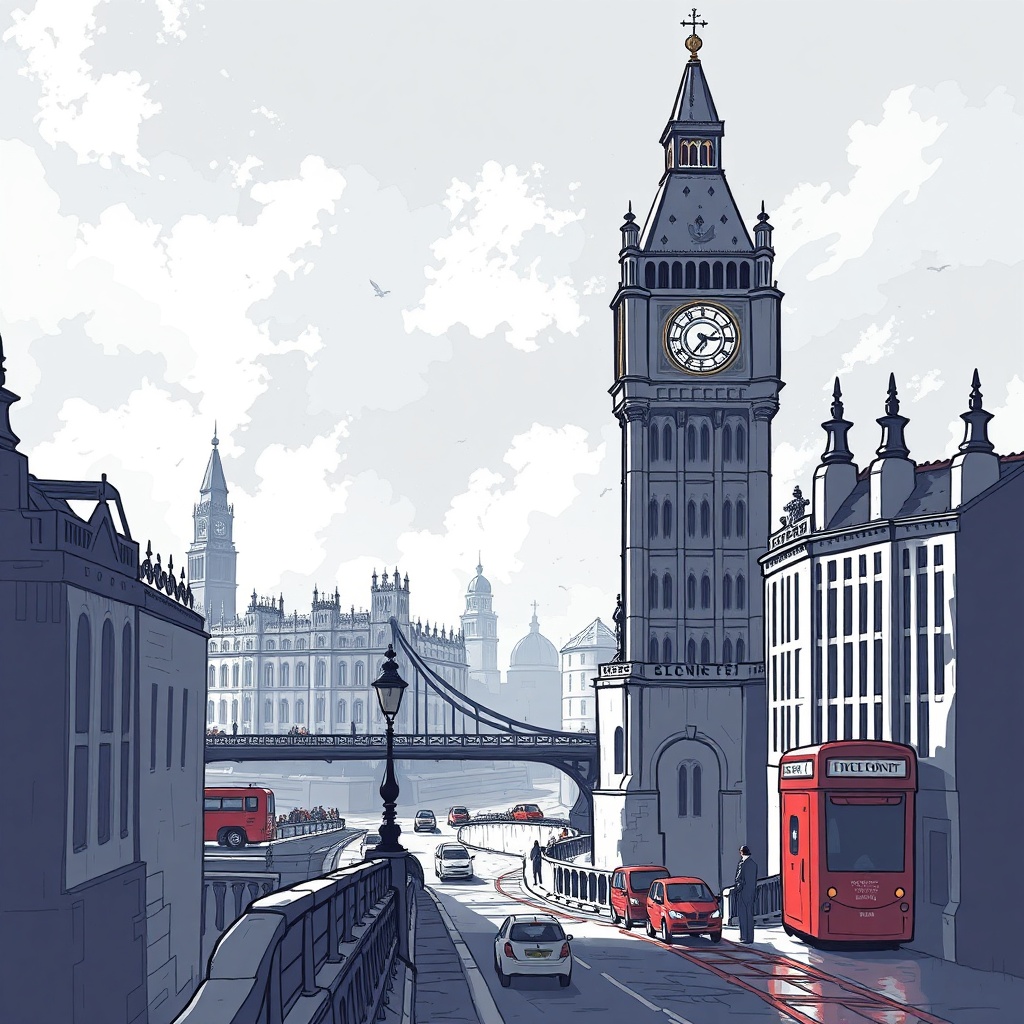
Whether you’re a visitor or a Londoner rediscovering the city, the Thames offers a changing mix of activity and calm. Plan a route that suits your energy—long or short—and let the river’s combination of history, culture and everyday life shape an unforgettable outing.
