 admin
adminThe Amalfi Coast remains one of the most alluring coastlines for travelers seeking dramatic cliffs, pastel villages, and delicious food.
Whether you’re planning a relaxed seaside escape or a photo-filled adventure, this stretch of coastline delivers memorable moments at every turn.
Why visit
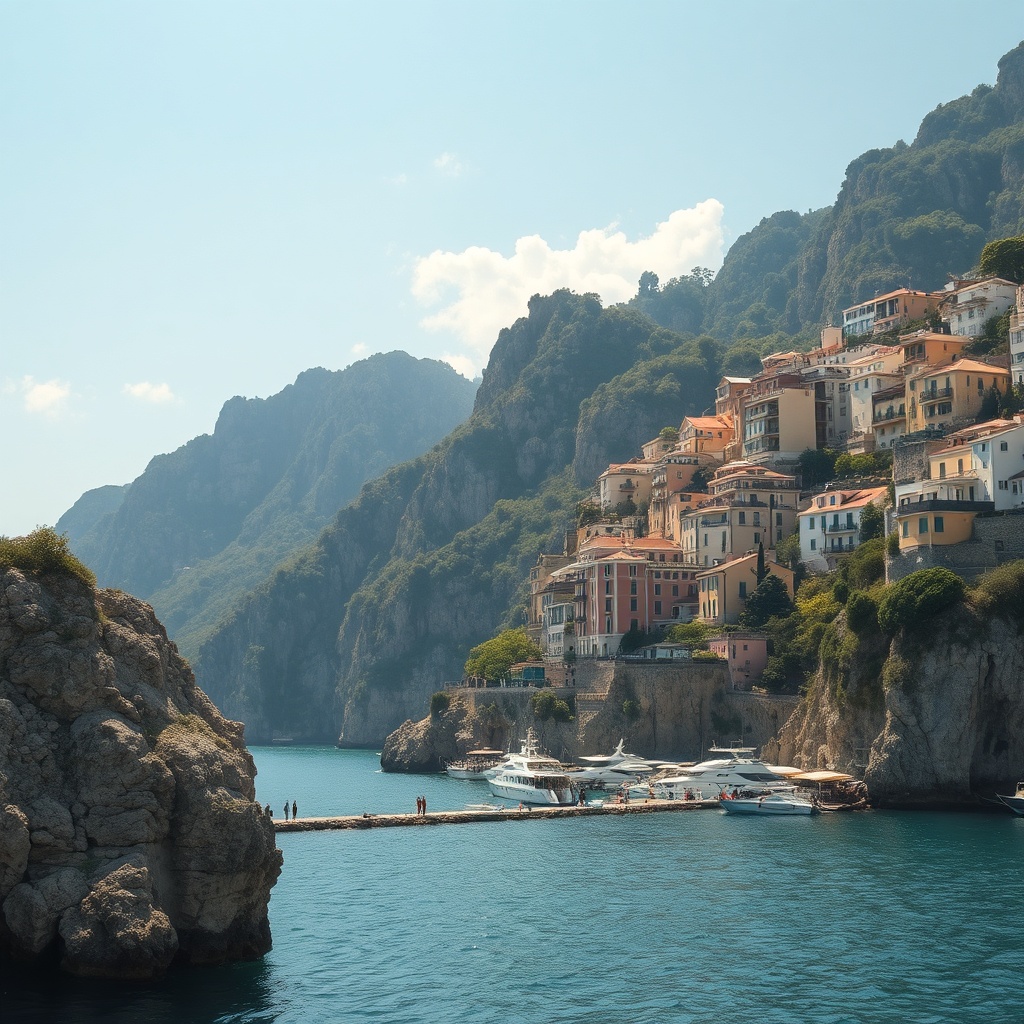
Jagged cliffs tumble into the Tyrrhenian Sea, villages cling to hillsides, and lemon groves scent the air — a combination that makes the Amalfi Coast unique. Highlights include Positano’s picture-postcard façades, Ravello’s elegant gardens and panoramic viewpoints, and Amalfi’s historic cathedral and lively waterfront. Boat access opens private coves and lesser-known beaches, while coastal trails provide dramatic perspectives away from the crowds.
Top experiences
– Sentiero degli Dei (Path of the Gods): A scenic hiking route offering spectacular sea views and photo opportunities. The trail varies in difficulty; plan for a few hours, sturdy shoes, and water.
– Boat excursions: Rent a small boat or join a shared tour to explore hidden grottos, secluded beaches such as Fornillo and Marina di Praia, and dramatic spots like the Fiordo di Furore.
– Ravello’s gardens: Villa Rufolo and Villa Cimbrone are renowned for their terraces and sweeping vistas — ideal for sunrise or sunset visits when light is softer.
– Local cuisine: Sample seafood caught the same day, scialatielli ai frutti di mare, and lemon-forward specialties like delizia al limone and artisanal limoncello produced from local Amalfi lemons.
Getting around
Roads are scenic but narrow and winding.
Driving offers flexibility but requires confident handling and patience with tight lanes and limited parking. Many travelers prefer ferries and buses to avoid parking stress. Regular ferries connect main towns along the coast and to nearby islands; buses run between villages but can be crowded during peak times.
Consider parking in larger hubs and using water transport to access seaside towns.
Crowd-smart planning
The Amalfi Coast can be busy. To enjoy quieter moments:
– Visit popular towns early in the morning or in the late afternoon.
– Explore smaller villages such as Atrani or Scala for authentic atmospheres.
– Book accommodations and boat tours in advance, especially if traveling during peak season.
– Opt for weekday visits to major attractions when possible.
Practical tips
– Pack comfortable walking shoes for cobbled lanes and stairs.
– Carry a refillable water bottle; tap water is generally safe and saves on plastics.
– Dress respectfully for churches and religious sites.
– Reserve restaurants for prime dining times to avoid long waits; look for eateries frequented by locals for the best value and authenticity.
– If hiking, check trail conditions, wear sun protection, and bring snacks and water.
Sustainable travel
Support local economies by choosing family-run accommodations, eating at neighborhood trattorias, and buying handmade ceramics or limoncello directly from local producers. Minimize environmental impact by sticking to marked trails, disposing of waste properly, and preferring ferries or public transport over private cars when possible.
Photography tips
Golden hour paints the cliffs and sea with warm tones — aim for sunrise or sunset shots. Look for elevated viewpoints in Ravello or along Sentiero degli Dei for dramatic panoramas.
For postcard-worthy scenes, frame pastel buildings with bougainvillea or capture reflections in morning light when the water is calm.
The Amalfi Coast blends natural beauty, culinary delights, and cultural charm.
With a bit of planning and a willingness to explore beyond the busiest spots, it offers a deeply rewarding coastal experience that lingers long after the trip ends.
