admin
adminThames Walks and Riverside Finds: How to Experience London’s River Like a Local
Few landscapes capture London’s mix of history, architecture, and everyday life like the River Thames. Whether you’re after iconic sights, hidden piers, or the best riverside eats, following the Thames offers a continuous and walkable story of the city.
Here’s a practical guide to making the most of a Thames-side day.
Choose your route
– South Bank to Tower Bridge: A compact, culture-rich stretch. It passes major attractions, outdoor art, and street performers, with easy access to galleries and food markets.
– West London riverside (Putney to Hammersmith): Greener, quieter, and popular with rowers and joggers. Expect pub gardens and leafy squares.
– Greenwich to Canary Wharf: A contrast of maritime history and modern glass towers.
Greenwich Market and the Cutty Sark are highlights before the riverside transforms into a financial skyline.
How to travel along the river
Walking is the best way to soak in details, but if you want to cover more ground, river buses connect key piers and offer a scenic, traffic-free commute. Many piers are close to Underground and rail stations, so you can mix walking with public transport. Check tide times if you’re planning to explore foreshore areas or smaller wharves—parts of the path can be affected by high water.
What to look out for
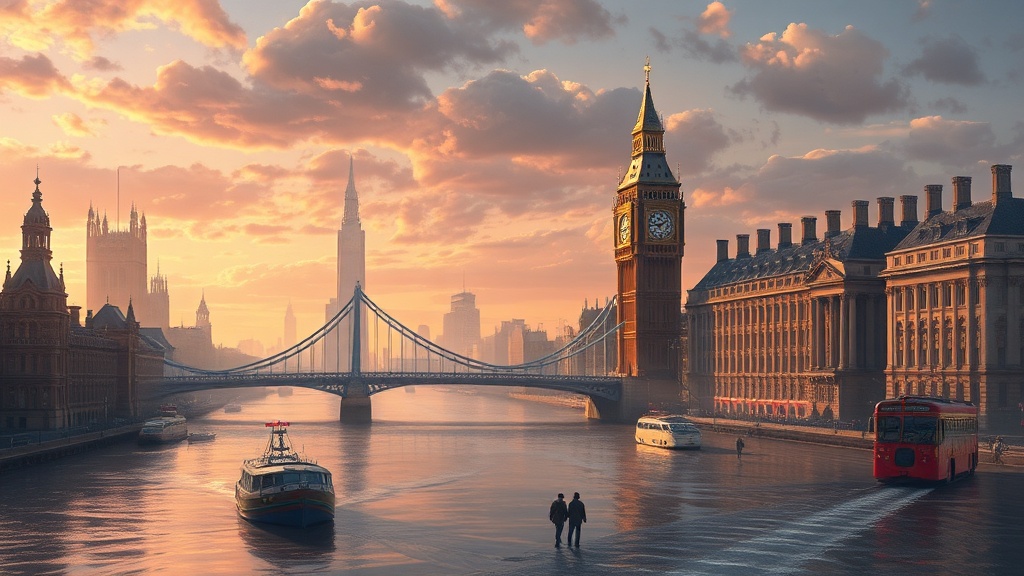
Historic bridges and modern crossings create changing perspectives of the river.
Keep an eye out for preserved wharves, converted warehouses now housing restaurants and galleries, and snippets of industrial heritage tucked between contemporary developments. Street art on the South Bank and Bermondsey adds color to the route, while quieter stretches reveal riverside wildlife and unexpected gardens.
Food and drink stops
Riverside dining ranges from market stalls and casual cafés to stylish bistros with river views.
Markets near the river offer excellent grab-and-go options—perfect for a picnic on a sunny embankment. For a relaxed drink, many pubs and bars have terraces overlooking the water; booking a table on warm days is a smart move.
Photographing the river
Early morning and late afternoon light are usually best for photography, when reflections and architectural details pop. Iconic landmarks framed by bridges create strong compositions; for a different angle, try photographing from a pier or a riverboat.
Insider tips
– Wear comfortable shoes: cobbles and uneven paths are common.
– Bring a lightweight layer: riverside breezes can be cool, even on otherwise warm days.
– Look for public art and plaques—many reveal interesting historical anecdotes about buildings and former docks.
– Check opening times for markets, galleries, and riverside attractions; some are closed on certain days or have limited hours.
– If you want quieter stretches, head upriver from the major tourist hubs where paths are less crowded.
Why the Thames matters
The river combines working life, leisure, and cultural attractions in a way few other paths can. It shows London’s continual reinvention—old industrial sites becoming creative spaces, historic ships berthed beside cutting-edge architecture.
For locals and visitors alike, the Thames is both a scenic route and a living timeline.
Pack comfortable shoes and a sense of curiosity, and let the river lead you.
Whether you choose a short stroll between piers or a longer exploratory walk, the Thames rewards slow travel with discoveries at every turn.