 admin
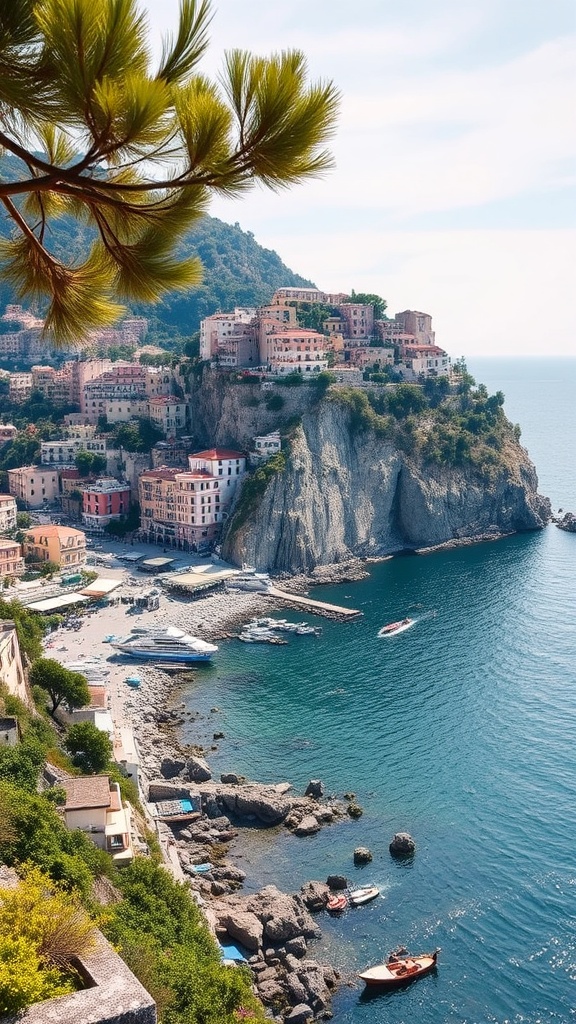
adminThe Amalfi Coast remains one of the most alluring coastal drives in the world, where sheer cliffs tumble into sapphire waters, pastel villages cling to the rock, and citrus groves perfume the air. Whether you’re drawn to dramatic scenery, slow-food dining, or sea-spray freedom, this stretch of coastline delivers a memorable blend of glamour and rustic charm.
Why visit
The coastline’s appeal is a mix of picture-postcard towns, hidden coves, and cultural riches.
Positano’s vertical streets and chic boutiques make it ideal for a stylish escape.
Amalfi acts as a lively hub with historic architecture and harborside cafés. Ravello sits higher on the cliffs, prized for lush gardens and panoramic views that inspire music festivals and sunset rituals. Smaller hamlets like Atrani and Praiano offer quieter alternatives with authentic local life.
Top experiences
– Boat tours and private charters: Exploring by sea reveals secluded beaches, dramatic sea caves, and the famous cliffs from a fresh perspective.
Ferries and private boats link the main towns and nearby islands—book early in peak periods.
– Hiking the coastal paths: Trails such as the Path of the Gods deliver stunning cliffside views and are accessible from linked towns. Expect narrow paths, varied terrain, and panoramic photo opportunities—good walking shoes and water are essential.
– Gardens and historic villas: Ravello’s Villa Rufolo and Villa Cimbrone feature terraced gardens and viewpoints that are perfect for slow sightseeing and sunset photography.
– Beach and swim spots: While sandy stretches are limited, pebbled coves and small beaches like Marina Grande and hidden bays reward early risers who seek clear water and quieter settings.
– Culinary delights: Fresh seafood, locally made limoncello, hand-cut pasta like scialatielli, and pastries such as sfogliatella showcase regional flavors. Dining often emphasizes seasonal produce and simple preparation that highlights the sea and land.
Practical tips
– Getting around: The coastal road is scenic but narrow and winding. Drivers should be comfortable with tight turns and steep drop-offs. Many visitors prefer ferries, local buses, or private transfers to avoid driving stress. Trains connect nearby hubs, with onward local connections by road or sea.
– Timing and crowds: The coastline attracts visitors year-round. For milder weather and fewer crowds, aim for shoulder-season travel and plan popular activities early in the day. Weekend and cruise-ship arrivals can create busy stretches in main towns.
– Where to stay: Choose based on vibe—Positano for chic beachfront stays, Amalfi for central access and variety, Ravello for peace and vistas. Consider family-run guesthouses, boutique hotels with terraces, or villas tucked into lemon groves for a quieter stay.
– Accessibility and packing: Many towns have steep staircases and uneven surfaces. Bring comfortable footwear, sun protection, and a light layer for cooler evenings.
Respect dress codes in churches and book restaurants and tours in advance during busier periods.
Sustainability and respect
The area balances tourism with fragile ecosystems and local life. Support family-run businesses, follow marked trails, carry out waste, and choose low-impact activities. Small gestures—learning a few basic local phrases and tipping thoughtfully—go a long way.
With dramatic scenery at every turn, authentic gastronomy, and an intimate coastal rhythm, the Amalfi Coast remains a destination that rewards curiosity and slow exploration.
Whether arriving by sea, road, or rail, allow time to linger on terraces, wander narrow lanes, and savor the slow charm that defines this iconic coastline.
